

For every art collector, there is an inherent thrill in the acquisition: the moment the gavel falls at auction, the handshake at the gallery, or the discovery of a rare antique, all of which amplify the excitement of the hunt.
But once the adrenaline of purchasing art fades, and it crosses the threshold of your home or storage facility, a new and often overlooked reality begins: stewardship.
Ideally, a collection's value is expected to appreciate, but without strategic collection management, you could be left in the dark not knowing how much your collection is worth or where you have stored each piece.
A recent example emerged from Philadelphia, where an audit revealed that at least 85 of the city’s 1,000+ works of art had vanished, according to the news website Governing.
The losses were diverse and devastating: memorial plaques were pried from sidewalks, metal sculptures were ripped from neighbourhood parks, and oil paintings quietly disappeared from municipal buildings. These absences were only discovered after a long-overdue full inventory was conducted, highlighting a catastrophic failure in basic record-keeping.
As David Knowles, founder of the UK-based art consultancy Artelier, points out, this level of loss is often a result of administrative drift. He emphasised the critical need for ongoing monitoring and record-keeping, noting that without it, whether due to government turnover or simple negligence, vital records and the art they protect are easily lost to time.
While the Philadelphia incident highlights the critical need for record-keeping, it is merely one piece of the puzzle. The art collector faces a myriad of other hidden risks that can jeopardise their assets.
Luckily, this art guide identifies the most common mistakes made in collection management and presents a digital solution to help you fix them.
- What is Art Collection Management?
- Top 10 Mistakes in Art Collection Management
- Buying Art Without Research
- Paper-Only Inventory
- Disorganised Acquisition Documents
- Using Multiple Platforms
- Neglecting the Regular Update of Records
- Ignoring Provenance
- Skipping Professional Appraisals
- Inadequate Insurance Coverage
- Overlooking Budget and Added Costs
- Making Impulsive Decisions
- Why Use an App When Managing Art?
- How to Fix Art Management Mistakes Using MyAssets
- Access Art Insights with Artfacts
- Digitise Your Art Collection
- Organise Files in the Document Vault
- Streamline Your Collection Management System
- Edit Artwork Information to Update Records
- Digitise Provenance Records
- Document Art Appraisal
- Add Insurance to MyAssets
- Include Other Expenses
- Make Informed Decisions with MyAssets
- From Risk to Riches: Securing Your Collection with MyAssets
- Art Management: Frequently Asked Questions
What is Art Collection Management?
Art collection management is the strategic process of organising, documenting, and overseeing a collection of artworks. At a fundamental level, it involves recording key identification details, such as the artist, title, medium, dimensions, and date of creation, to ensure every item is uniquely catalogued.
However, effective art management goes beyond simple record-keeping. It involves a range of logistical activities, including maintaining environmental controls for art display and storage, coordinating exhibitions, arranging transportation, and executing security and conservation plans.
Essentially, the core mission of art management is to ensure that masterpieces are preserved, accessible, and financially secure for the long term, as highlighted by art platform Pavillon 54.
Yet, given the constant, complex demands of this stewardship, many frequently overlook critical operational aspects, leaving valuable physical assets vulnerable to damage or loss.
Top 10 Mistakes in Art Collection Management
The intricate nature of art management can cause both emerging and long-time collectors to miss critical considerations, potentially resulting in significant damage. To understand these risks, here is a closer look at common mistakes.
1. Buying Art Without Research
While "love at first sight" is a common emotional trigger in the art industry, basing acquisition decisions solely on aesthetics without deeper investigation is a significant professional mistake.
Lapse in due diligence means you lack a full understanding of the artist's trajectory, the piece's critical context, or its standing within the artist's oeuvre.
This ignorance significantly increases the risk of acquiring an overpriced piece, such as buying an artist at the peak of a speculative bubble or purchasing a work that is non-representative of their best period, which leads to immediate poor investment performance and reduced liquidity.
More dangerously, failing to research the provenance and the gallery or dealer involved can result in the acquisition of fakes, disputed works, or pieces with questionable legal title, turning an asset into a financial and legal liability.

2. Paper-Only Inventory
Paper-based inventory for art collecting beginners may be sufficient at first; however, once you build an art collection past a handful of high-value pieces, its increasing number, market value and logistical demands immediately outstrip the capabilities of a manual system.
Relying solely on a paper-based method for recording vital information, such as acquisition information, provenance, condition details, and location, can transform from a simple tracking method into a critical liability.
Why? Such a method exposes critical records to risks like natural disasters, theft, and accidental misfiling, inevitably slowing access during moments when prompt information, especially condition and location data, is essential.
As a result, you may struggle to provide the necessary documentation to support insurance claims or future transactions.

3. Disorganised Acquisition Documents
Are you storing the Certificate of Authenticity in a separate vault, the latest appraisal report in a desk drawer, and the provenance documents in a physical folder? Keeping records this fragmented leaves you open to avoidable risks, something you may want to reassess.
Failure to centralise all documentation, including original invoices, bills of sale, customs forms, shipping receipts, and conservation expenses, prevents rapid access to details, such as the artwork's official payment records or complete ownership history.
Consequently, this disorganisation impedes the ability to calculate an accurate cost basis for tax reporting and, more critically, the ability to produce a complete file on demand, which can delay, complicate, or even halt a high-value transaction during the buyer's due diligence review.
See also: How To Better Organise Your Collectables
4. Using Multiple Platforms
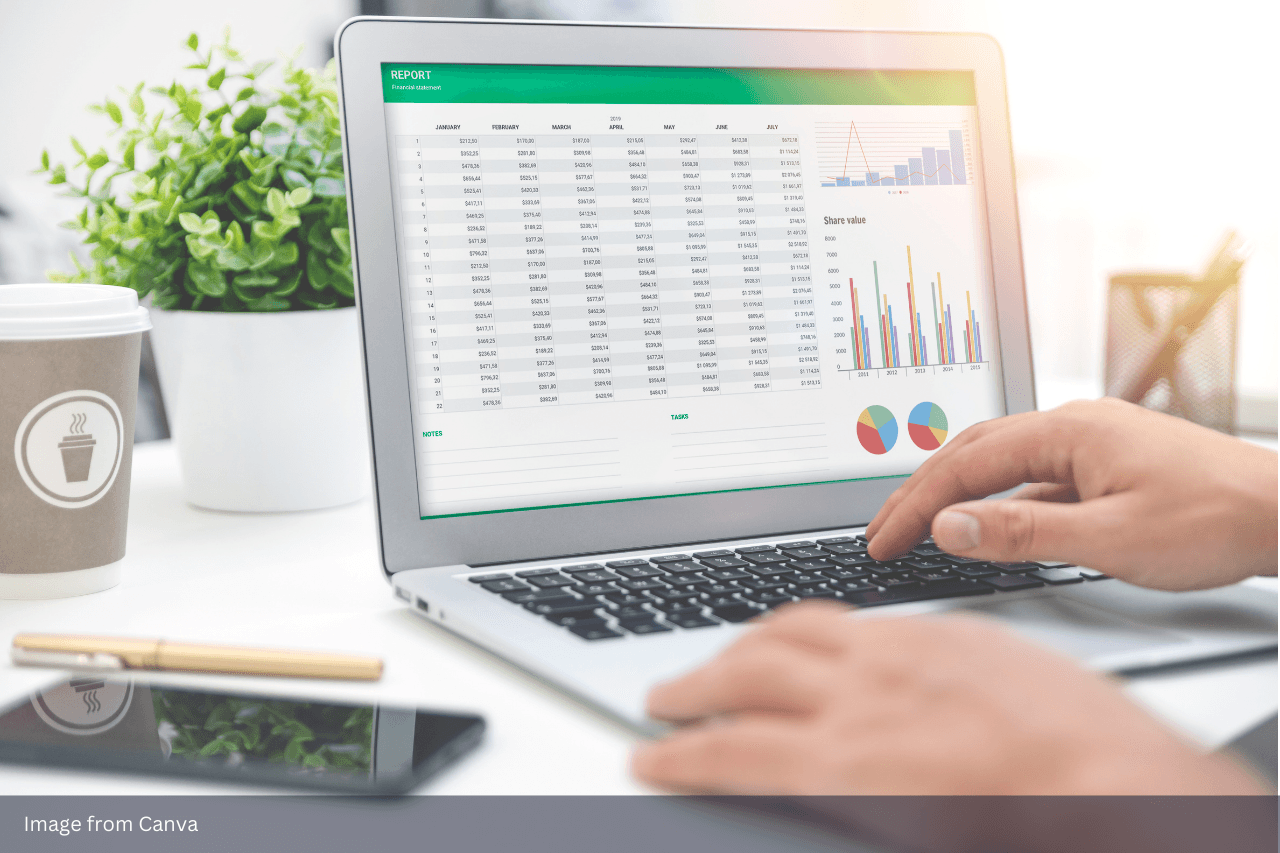
Assuming you’ve adopted digital tools to manage your collection, are you relying on separate, unlinked platforms? Perhaps you use excel to record essential details (like artist, medium, purchase price), while storing conservation photos in a cloud drive, and invoices in another folder.
This set-up creates serious data silos, preventing real-time synchronisation and often leading to conflicting or inconsistent records. For example, when an insurance document lists one medium while the tracking sheet lists another.
Using multiple platforms exponentially increases the rate of human error when data must be copied and pasted between unlinked systems. An immense time is also wasted when preparing for critical events, such as appraisals, insurance renewals, or sales, which require immediate collation and cross-checking of disparate data points.

Ultimately, this creates the illusion of simplicity. You think you’re automating, but in practice, you’re splitting your attention across multiple platforms and slowing your workflow.
5. Neglecting the Regular Update of Records
The most common and destructive management oversight is the failure to update an artwork's record after a change in status, such as an art restoration, a change in storage location or an exhibition loan.
This lapse instantly turns a document into a liability. In the Philadelphia city audit, a 19th-century judge’s portrait was listed as being in “Courtroom 423,” a room that no longer exists. The reported count of mayoral portraits likewise did not align with the artworks actually displayed.
In this context, an outdated record becomes an inaccurate record, meaning the collector cannot instantly provide current details regarding the asset's physical state or whereabouts. This mistake is particularly damaging when calculating tax liability, as the latest maintenance costs are omitted.
Filing an insurance claim, where missing the latest, approved appraisal valuation leaves the collector severely underinsured, essentially documenting a work they used to own, not the asset they own today.
6. Ignoring Provenance
What is provenance? Provenance is a recorded history of ownership, custody, and location for an artwork, as defined by Wikipedia. Think of acquiring an original artwork on the primary market. This translates to you, as the first owner, and this status is reflected in the piece’s provenance.
Over time, documenting the transfer of a work between owners allows collectors to establish authenticity, trace its ownership history, and confirm that it is being traded ethically and has not been stolen.
This raises the question: what happens if you ignore provenance? Failing to rigorously collect, store, and verify this history, especially during acquisition, exposes you to massive risk. Without verified provenance, the likelihood of unwittingly acquiring stolen, looted, or counterfeit art increases, subjecting the work to legal disputes over ownership.
Consequently, any artwork with poor or missing provenance suffers an immediate and substantial devaluation by auction houses and appraisers, limiting its liquidity and market potential, as clean provenance is a non-negotiable requirement for high-value sales.
Read more: How to Avoid Art Investment Scams
7. Skipping Professional Appraisals
Art values shift quickly, especially for contemporary artists whose markets can surge overnight. Flora Yukhnovich is a prime example. Her works increased from $40,000 in 2019 to over $3 million by 2022, as reported by Town & Country Magazine.
Yet, despite valuation’s importance in determining the artwork’s value and measuring its market performance, a 2023 ArtTactic survey found that 62% of collectors with over $1 million in art have never commissioned a professional appraisal.
Whether you skip an appraisal or rely on an outdated one, you put yourself at risk, especially when selling. Without an accurate valuation, you may let a valuable piece go far below its true market price, losing a significant portion of your art investment.
Furthermore, relying on obsolete numbers complicates all forms of asset transfer. Why? In most major jurisdictions, appraisals are required to determine inheritance tax, calculate capital gains upon sale, and substantiate tax deductions for charitable donations, making updated valuations an essential part of collection management.
8. Inadequate Insurance Coverage
Collectors often fail to secure a specialised all-risk policy, mistakenly assuming that standard homeowner's insurance is sufficient for their valuable assets.
This is a critical lapse, as high-net-worth individuals face constant threats; one survey found that 52% reported damage from water escapes or burst pipes, 51% reported accidental damage, and theft and transit damage are noted as highly pressing risks.
In this context, relying on capped or limited coverage means that you are financially exposed to the almost guaranteed costs of repair or replacement.
The out-of-pocket expenses to repair or replace a work that was not covered can be enormous, and without the right policy riders (like "agreed value"), there is no guarantee that the insurance payout will cover the cost of restoration or replacement, leaving you to absorb the loss in value or pay the shortfall entirely.
9. Overlooking Budget and Added Costs
When you only account for the purchase price and fail to recognise the continuous operational costs of maintaining art, you risk under-budgeting and missing the financial demands of art collecting.
In fact, beyond the purchase price, art collecting involves a wide array of mandatory costs, including specialised shipping fees, annual insurance premiums, custom archival framing, conservation maintenance, art professional fees, and even subscription costs for management software.
This failure to establish a dedicated operational budget forces you to cut corners, leading to critical compromises such as utilising non-specialised, low-cost shipping (increasing the risk of transit damage), relying on inadequate storage (compromising preservation), or foregoing necessary conservation treatments.
Overlooking these ongoing costs eventually weakens the piece’s long-term worth, defeating the purpose of your initial investment.
10. Making Impulsive Decisions
Impulsive behaviour in the realm of art collecting is a fundamental mistake of prioritising the immediate emotional thrill of acquisition over long-term strategic due diligence. This act leads to risky decisions, hampering factors such as your financial situation, the authenticity of your artwork, and the quality of your collection over time.
For example, failing to double-check the current collection inventory in the heat of the moment can result in the costly acquisition of duplicate pieces. Likewise, selling a piece impulsively during a market downturn or a fleeting shift in taste, without proper market research or professional advice, often results in a premature sale and significant financial loss.
Ultimately, this emotional short-sightedness weakens the collection’s long-term performance and overall investment potential.
Why Use an App When Managing Art
Traditionally, collectors initially rely on a patchwork of methods: utilising spreadsheets to record high-level data, physical binders to collate vital documents, and cloud storage to store conservation photos.
While this combination may seem sufficient at first, as a collection grows in size and complexity, these disparate methods quickly become unsustainable. The inherent fragmented approach of such a method inevitably leads to overlooked pieces, missed appraisal, and compromised security.
This is where dedicated art organiser apps like MyAssets become indispensable, serving as a single, secure digital platform that addresses all ten common art mistakes. MyAssets allows you to streamline aspects of collection stewardship, from centralising disparate information and recording art location to automated reporting and financial organisation.
By replacing scattered paperwork and spreadsheets with a centralised digital system, you can finally maintain accurate records, respond quickly to insurer or buyer requests, and protect the long-term value of your collectable investment.
How to Fix Art Management Mistakes Using MyAssets
After outlining the most common mistakes in art and management, this article now introduces MyAssets, a streamlined art-organiser platform. It then highlights MyAssets’ purpose and key features to show how you can effectively correct these issues.
1. Access Art Insights with Artfacts
MyAssets mitigates the risk of buying art without research by integrating with the trusted art market data provider, Artfacts. This connection transforms emotional decisions into informed, strategic investments by giving collectors access to comprehensive market insights, analyses, and Artfacts’ Artist Ranking System.
On the MyAssets platform, you can locate the News & Events widget within the Art Summary section to see a comprehensive list of upcoming art exhibitions. By clicking on a listed exhibit, you will be directed to the Artfacts page, which provides contextual data, including public dates, the organiser, participating artists, and access to Artfacts' unique Artist Ranking System.
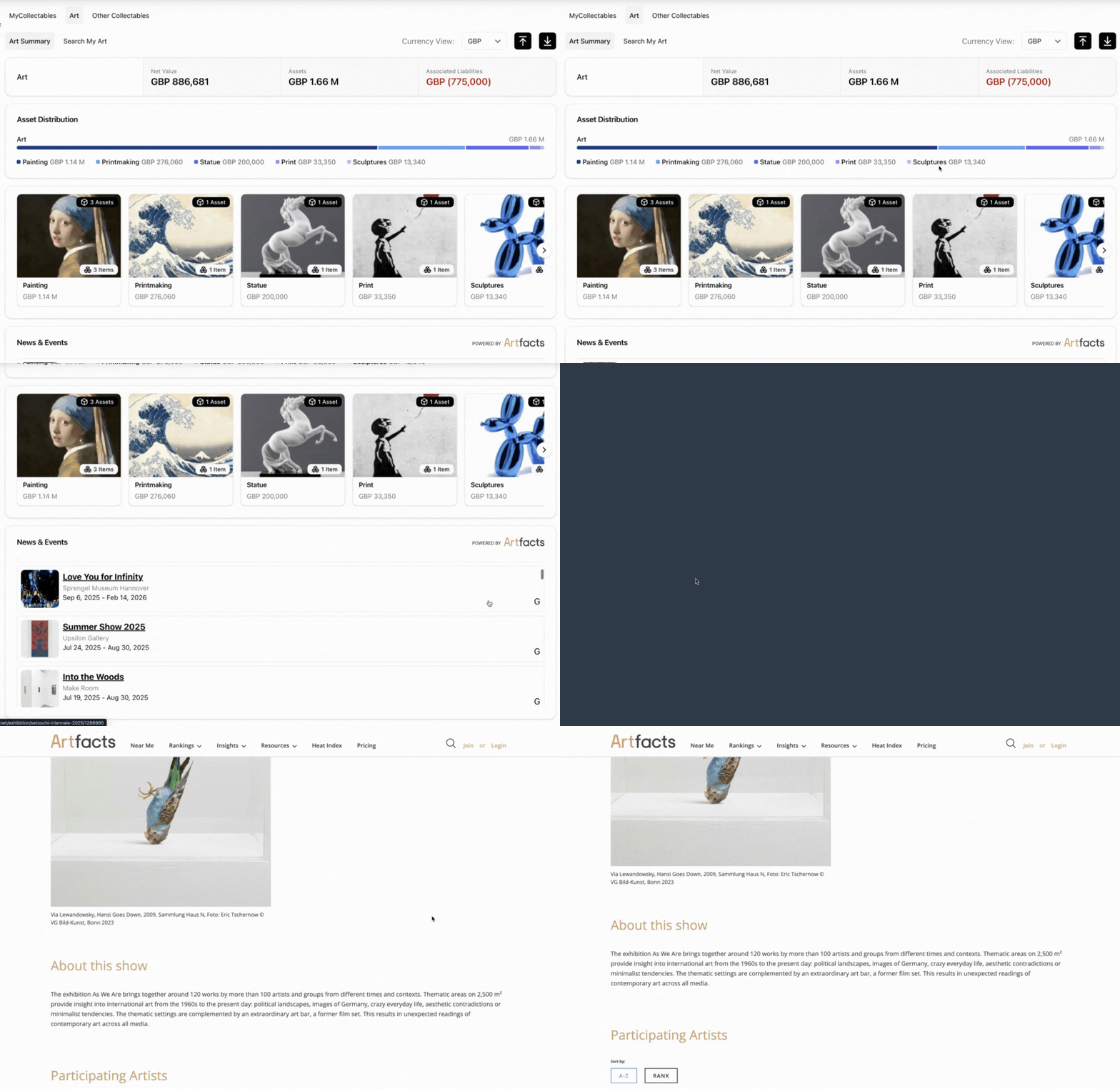
Even better, MyAssets ensures the artist's profile —detailing career highlights, movement, media and period —is readily available on the same page. If no Artist Information appears, it simply means the artist is not currently listed in the Artfacts database.
Essentially, through this information, you gain an immediate understanding of an artist’s market position and relevance, allowing you to evaluate potential acquisitions with clarity and confidence.
2. Digitise Your Art Collection
Digital adoption has mitigated the vulnerabilities of paper-based record-keeping. MyAssets, for instance, protects your artwork’s information against unexpected events like natural disaster or accidental misfilling by serving as a digital repository of your collection.
To create a digital art catalogue in MyAssets, start by adding artworks under MyColletables, where you can enter primary details, including:
- Artist Name
- Art Title
- Art Type
- Art Style
- Location of Asset
- Purchase Date
- Purchase Price
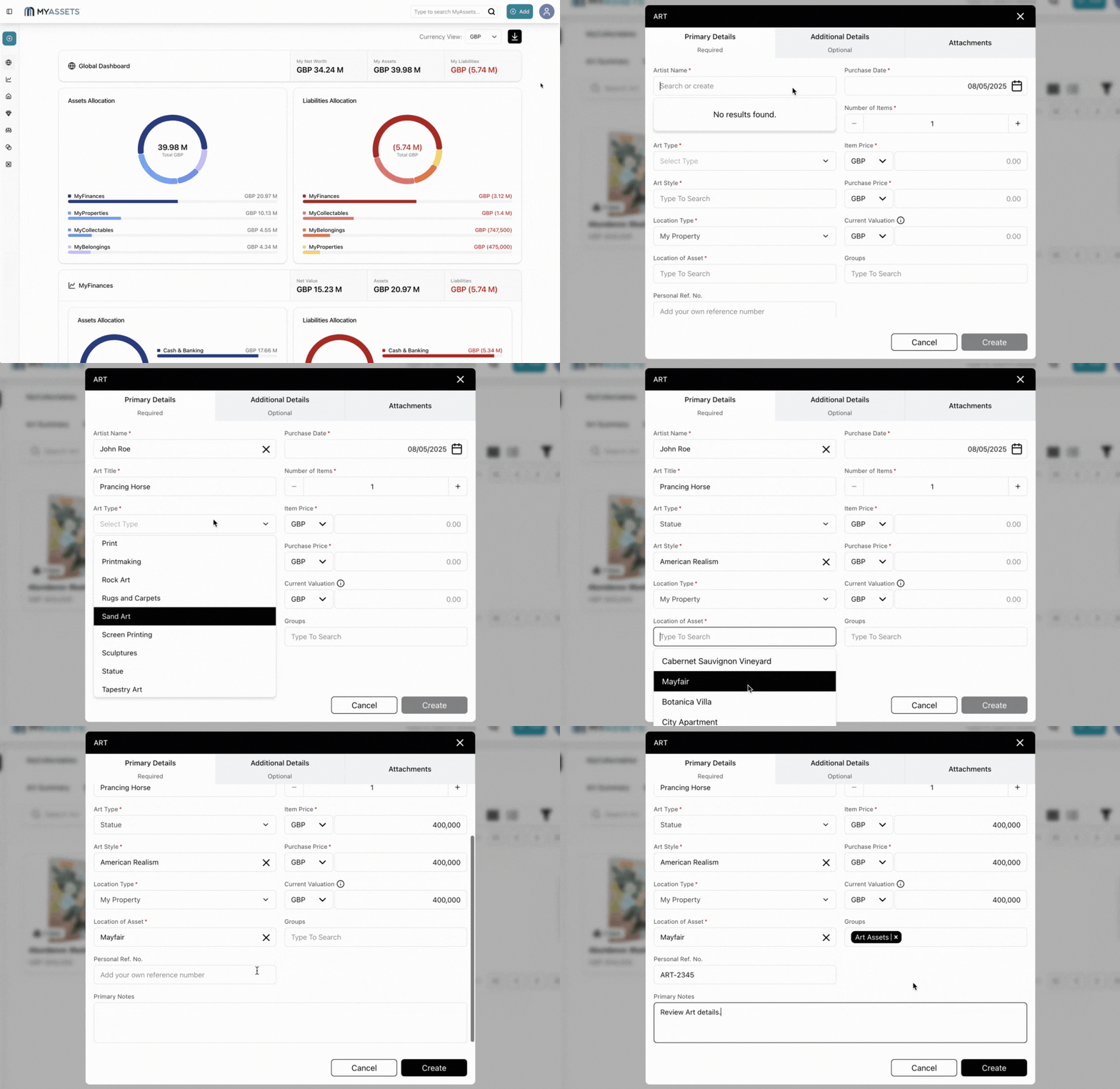
For a more comprehensive art inventory, you can also select additional details to add more details about your art, such as:
- Acquisition: Acquisition details about your art and any additional costs.
- Location: Where your art is stored, such as its location and which room in your property it is stored in.
- Attributes: Specific details about your art, such as weight, dimensions, material, etc.
- Ownership: Shareholders and beneficiaries of your art.
Ultimately, digitising art records with full details ensures a secure, accessible, and organised record of your artwork collection.
3. Organise Files in the Document Vault
Whether buying or selling, MyAssets solves the problem of disorganised paperwork through its Document Vault. This feature allows you to store, organise and monitor essential documents such as invoices, certificates of authenticity and other records tied to your collection.
To start, you can upload files and images to your MyAssets account by following these steps:
- Select the Add button at the top right corner.
- Select the Document Vault icon.
- Select the Art for the Asset Type.
- Select the Related Asset you want to link the files to.
- Click Select.
- Drop the files you want to upload, or select Choose Files(s) to choose the files you want to upload from your device’s folders.
- Select the Asset Sections/Attributes from the drop-down menu for each file. This moves your files to the relevant sections in the asset page.
- Select Upload.
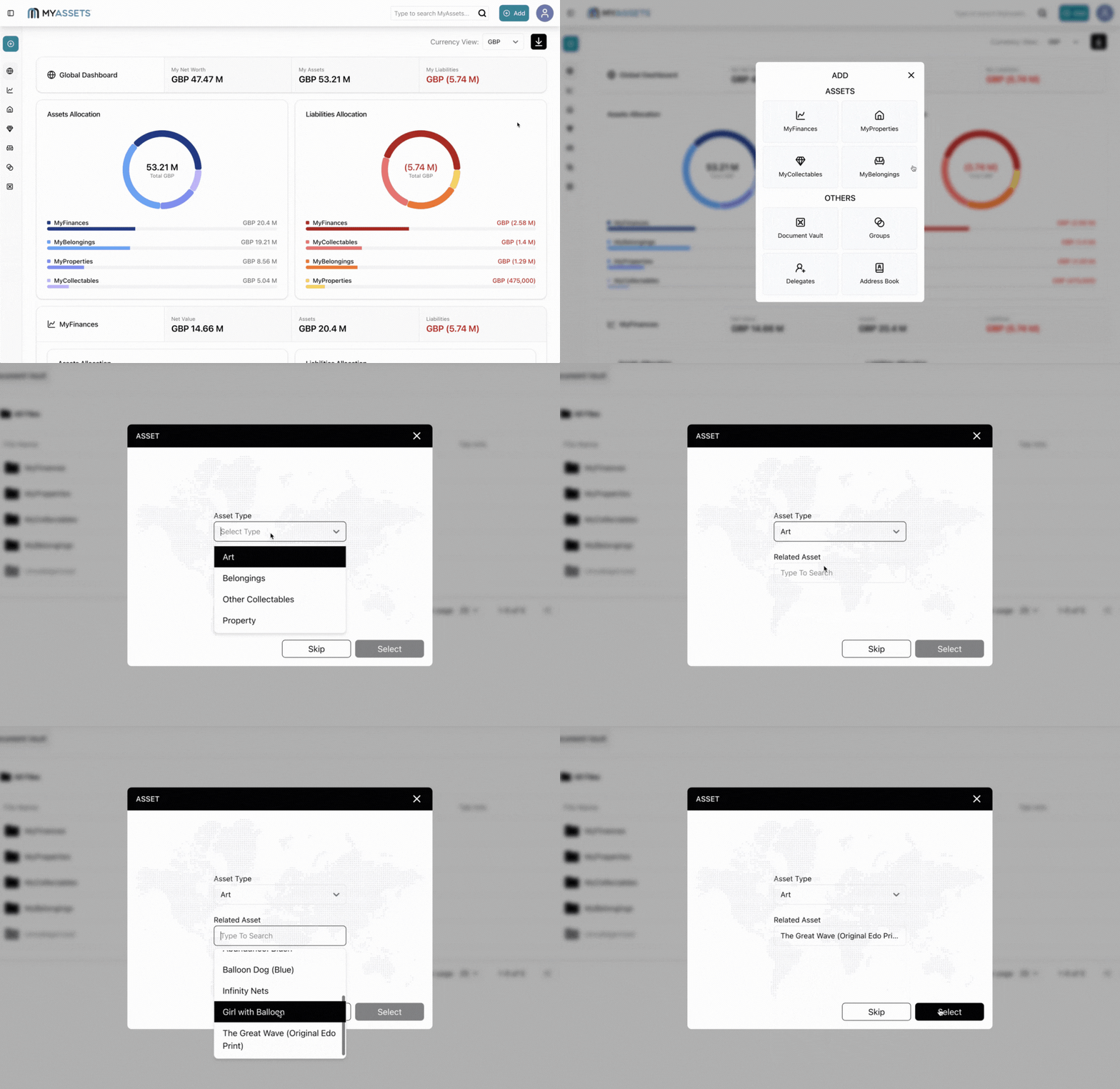
In this way, you can centralise and organise all your files, making it more convenient for you to access important documents quickly and manage your collection with confidence.
4. Streamline Your Collection Management System
Tired of managing your art across multiple tools? MyAssets gives you a unified platform to create detailed records, upload important files, and organise everything into groups.
To start, MyAssets simplifies adding your art collection to the platform by importing your art’s data. For a seamless transfer, you can fill out the provided Excel template with your artwork information. If needed, Google Sheets can also be used.
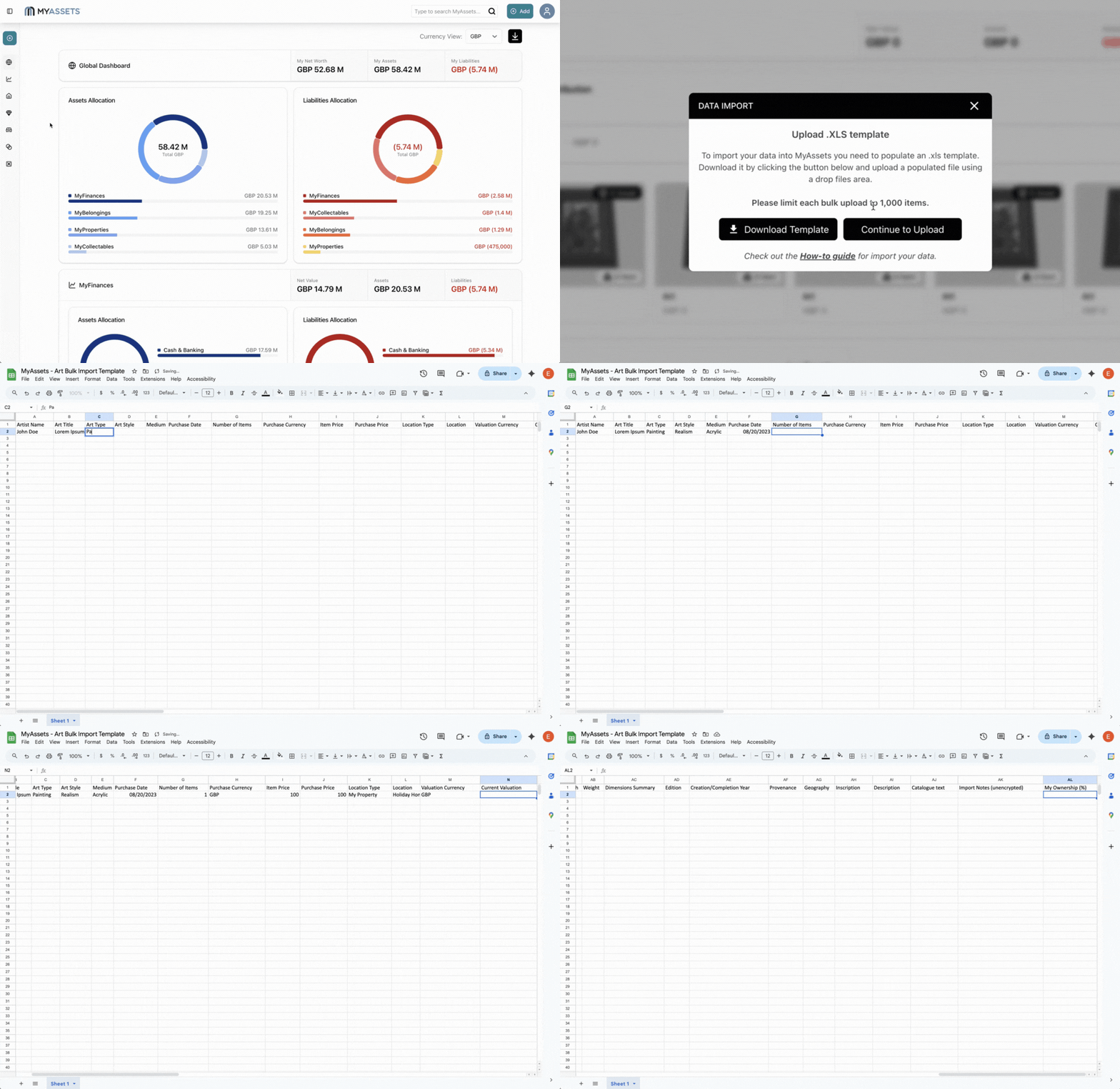
After importing your collection into MyAssets, managing the collection becomes effortless. The Document Vault allows you to upload your files, while Groups let you categorise artworks by artist, style, period, or any custom category. By centralising your data in one place, MyAssets streamlines organisation, simplifies monitoring, and gives you full control over your collection.
5. Edit Artwork Information to Update Records
MyAssets supports you in reducing outdated records by offering flexible editing tools for your artwork details. Whether you need to update a location, adjust pricing information, or add new files, the platform ensures your collection remains accurate and up to date.
To identify which details are most likely to require updates, here is a list:
- Beneficiary Allocation
- Condition Reports (new assessments, conservation treatments, damage or wear)
- Current Valuation (market appreciation/depreciation, updated appraisal reports)
- Dimensions or Attributes (revalidated measurements, added materials info)
- Location
- Number of Items
- Ownership Information
- Provenance Updates (newly discovered ownership history or documentation)
- Related Documentation (new certificates, invoices, receipts, letters of authenticity)
- Sales and Acquisition Notes (updated purchase details, broker information, or sale status)
- Storage or Environmental Requirements (climate control updates, security changes)
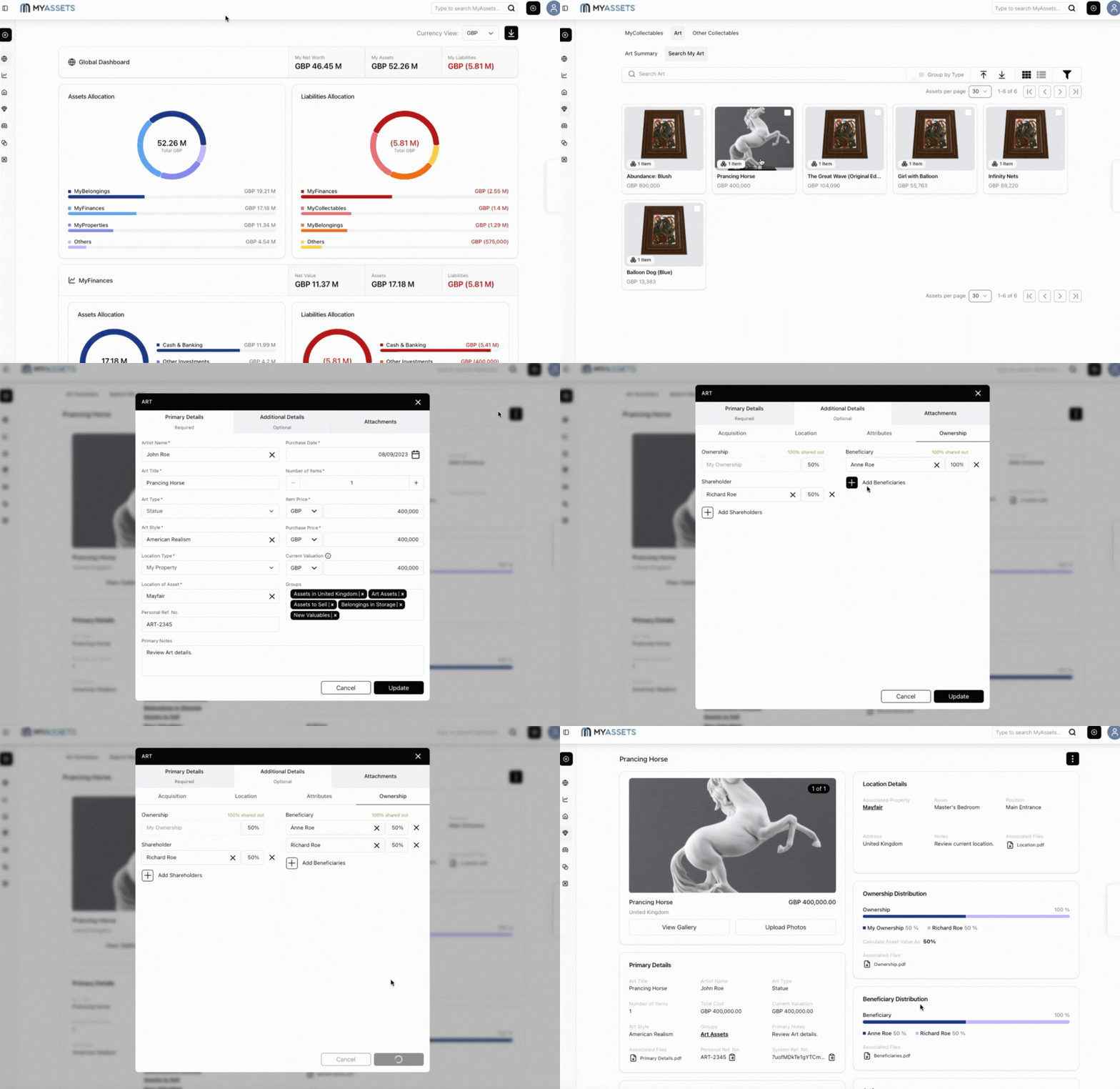
For best results, set a regular update schedule, quarterly or after every acquisition, to ensure your records stay accurate and complete.
6. Digitise Provenance Records
Ignoring provenance is a major red flag that you should avoid if you wish to protect both the value and legitimacy of your artworks. To fulfil your due diligence responsibilities, MyAssets allows you to record consignment details directly within each artwork entry.
Here are the key details to include when adding consignment information to your artwork:
- Consignor: The person or entity who owns the artwork and is sending it for sale, exhibition, or storage.
- Consignee: The person or organisation receiving the artwork, such as a gallery, dealer, or auction house.
- Type (incoming, outgoing, outgoing auction): Specifies the direction and purpose of the consignment (received, sent out, or prepared for auction).
- Price: The agreed or estimated value associated with the consignment (for insurance or sale purposes).
- Start-End Dates: The duration of the consignment period.
- Notes: Additional information or special instructions relevant to the consignment, such as handling requirements or contractual terms.
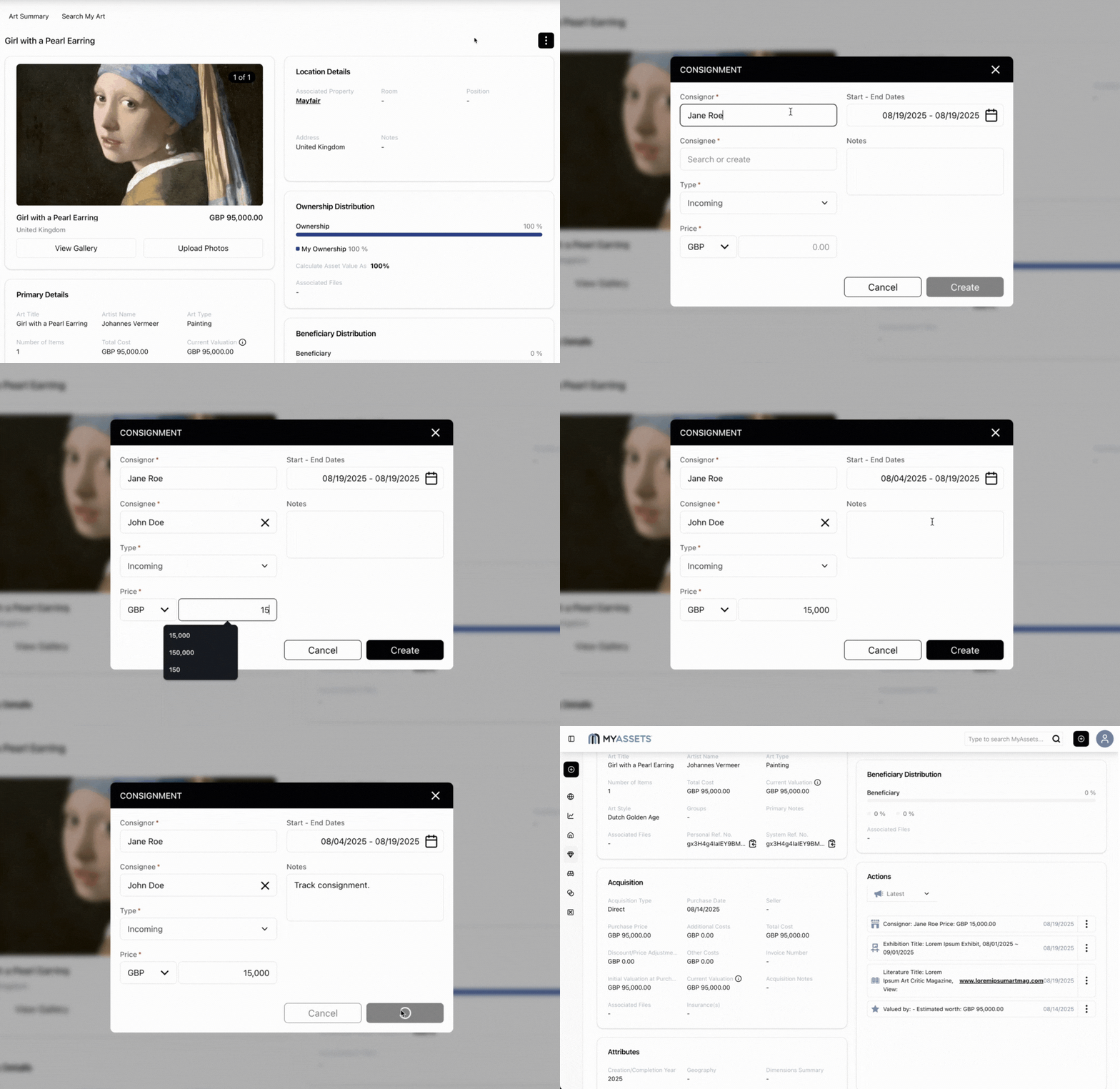
In this way, you ensure that every piece has a transparent, traceable history that supports future appraisals, insurance claims, and potential sales.
7. Document Art Appraisal
Skipping professional appraisals is a serious misstep, especially when accurate valuations are needed for insurance, resale, or inheritance purposes. MyAssets supports this critical part of art management by providing a dedicated space to record and track each artwork’s valuation history.
So, what information needs to be recorded when documenting a valuation? At a minimum, each valuation should have a unique valuation number or name, which serves as an identifier for tracking and referencing your asset valuations.
Equally important is the estimated value of the artwork, determined using a clearly defined valuation method, which provides context for how the monetary value was calculated.
Common approaches include:
- Auction Estimate: The projected value of an asset based on the price it would get in an auction.
- Comparable: The value of an asset based on similar assets that have recently been sold or are currently on the market.
- Fair Market Value: The value of an asset based on the price it would get under typical market conditions.
- Profession Valuation: The value of an asset based on the expertise of an appraiser, auditor, or other licensed professional.
- Purchase Cost: The asset’s original purchase price adjusted for accumulated depreciation.
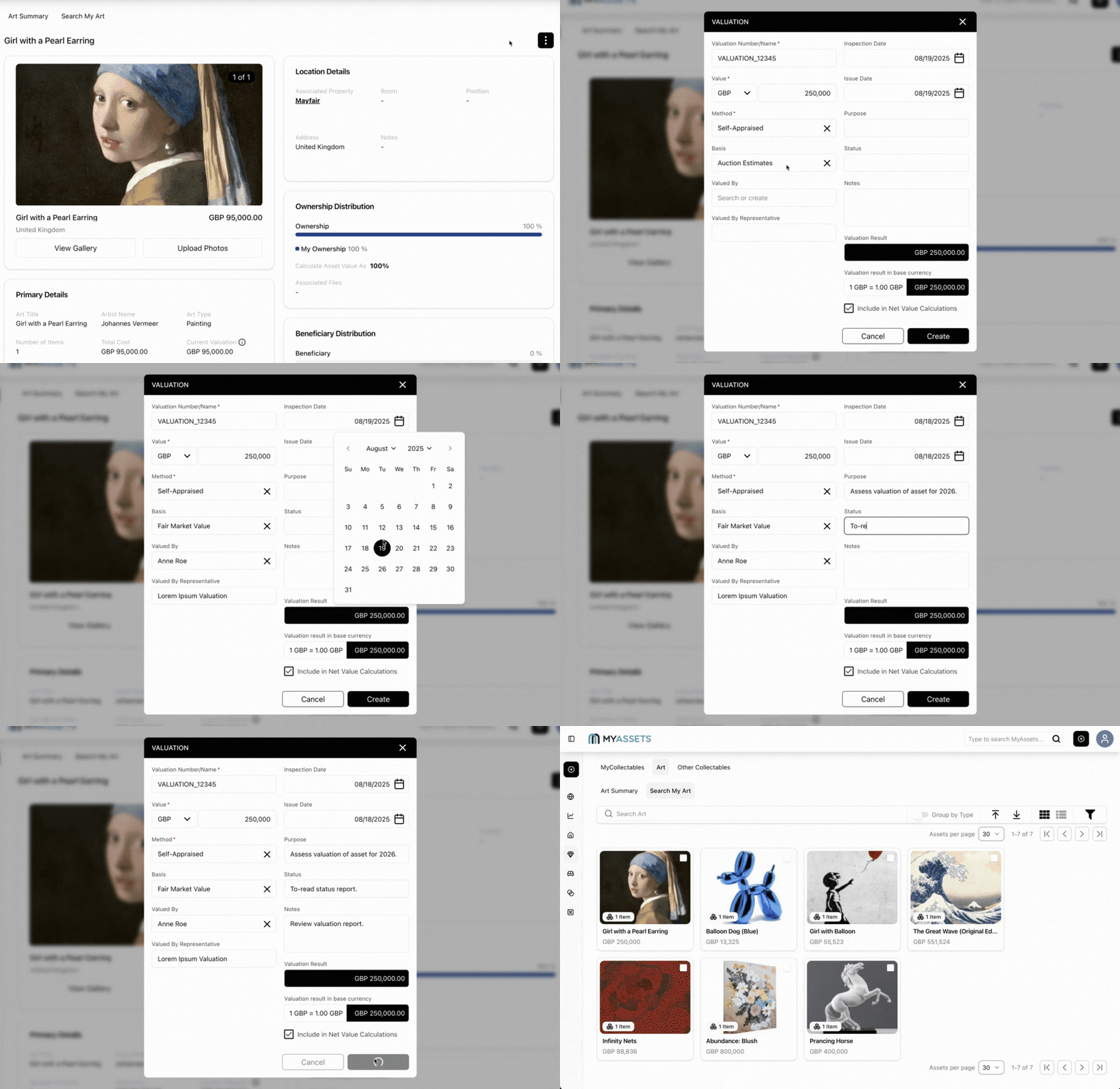
Ultimately, with MyAssets’ Add Valuation feature, you make managing, insuring, or selling artworks much more efficient.
8. Add Insurance to MyAssets
Beyond cataloguing your artwork, MyAssets also helps you manage the financial aspects of your collection. One key area is insurance, which safeguards your artworks against accidental damage, loss, or theft.
With MyAssets, collectors can identify gaps in coverage by recording detailed insurance information directly on the platform. You can include the type of insurance, insurance company, coverage amount, coverage dates, premium, and payment frequency.
By adding art insurance to the platform, you gain a clear overview of your collection’s protection, ensure adequate coverage, and simplify the process of claims, renewals, and financial planning for your art assets.
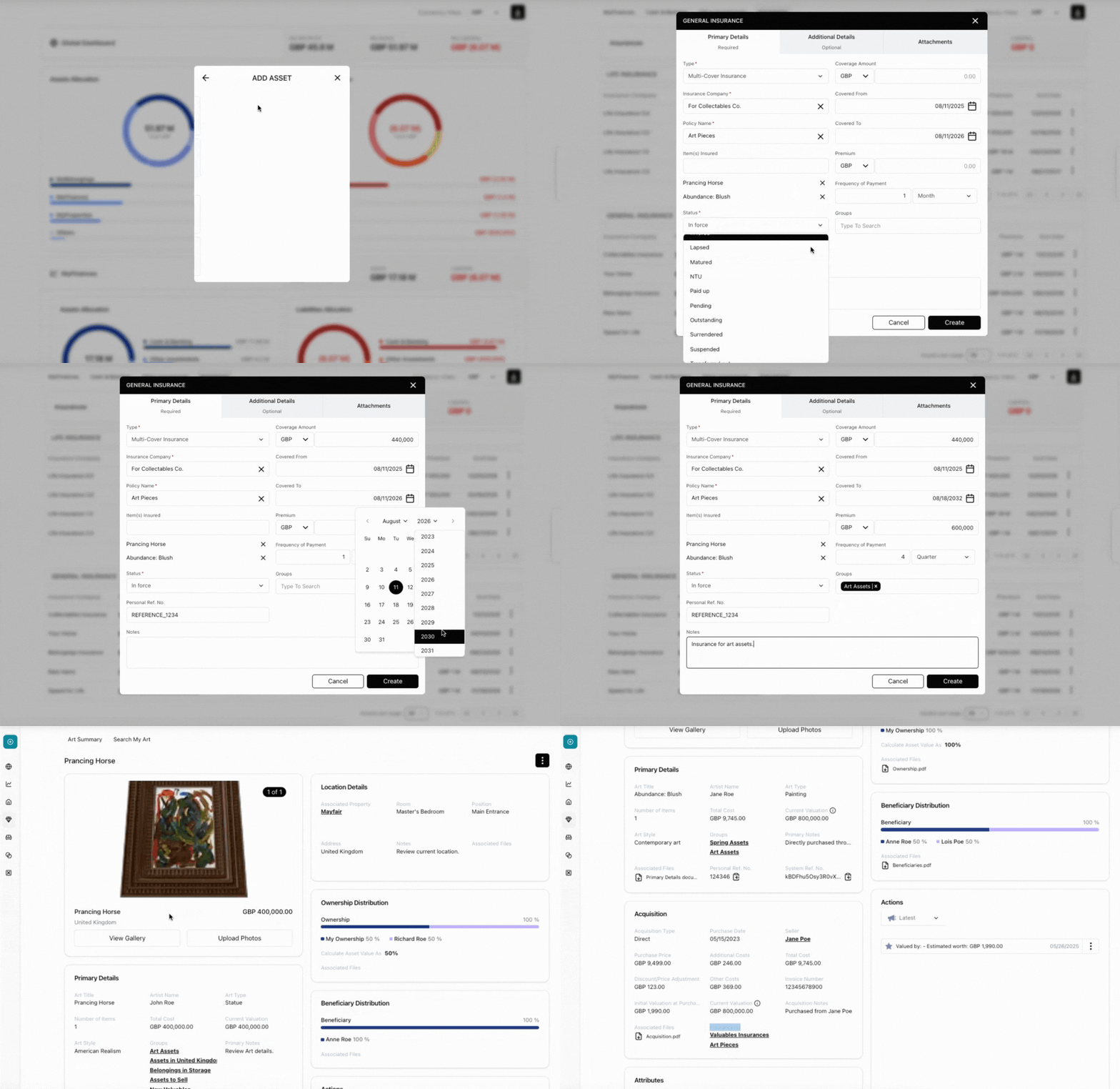
9. Include Other Expenses
Overlooking your budget and the added costs associated with maintaining a collection is a significant risk, particularly when managing financial resources for art acquisitions.
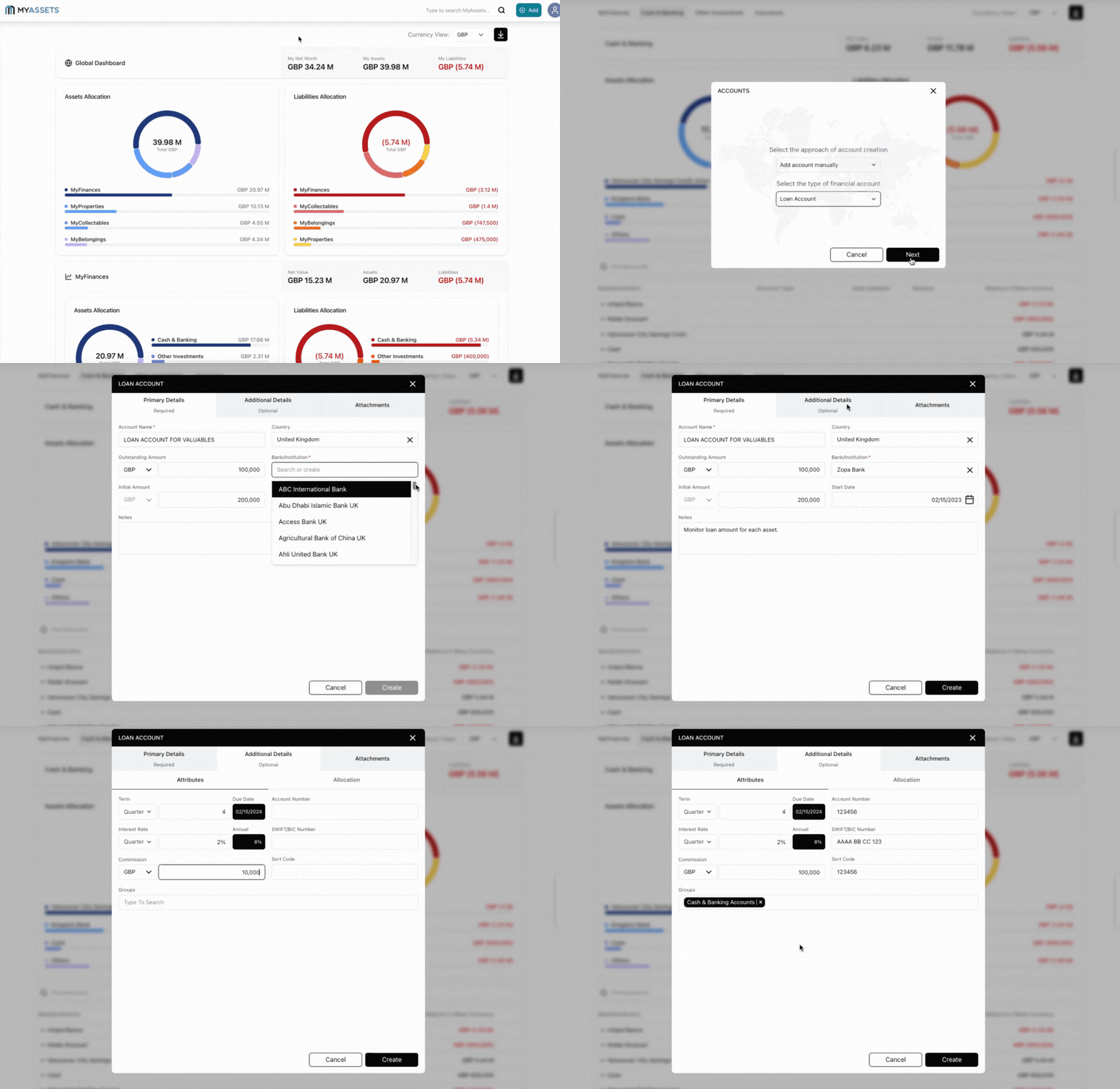
MyAssets helps address this by allowing you to track loans taken to acquire artworks, as well as record additional expenses such as shipping, framing, restoration, or insurance directly within each art entry.
By consolidating all these financial details, MyAssets provides a comprehensive view of the true cost of your collection, helping you plan more effectively and make informed investment decisions.
10. Make Informed Decisions with MyAssets
To protect the value and integrity of your art investment, breaking free from hasty decision-making is highly beneficial. Why? It allows you to carefully evaluate each acquisition or sale and assess the long-term impact on your collection.
Enter MyAssets, a comprehensive platform that provides full visibility of your collection. Its Search for Art feature helps minimise duplicate acquisitions by showing whether a specific piece is already part of your collection.
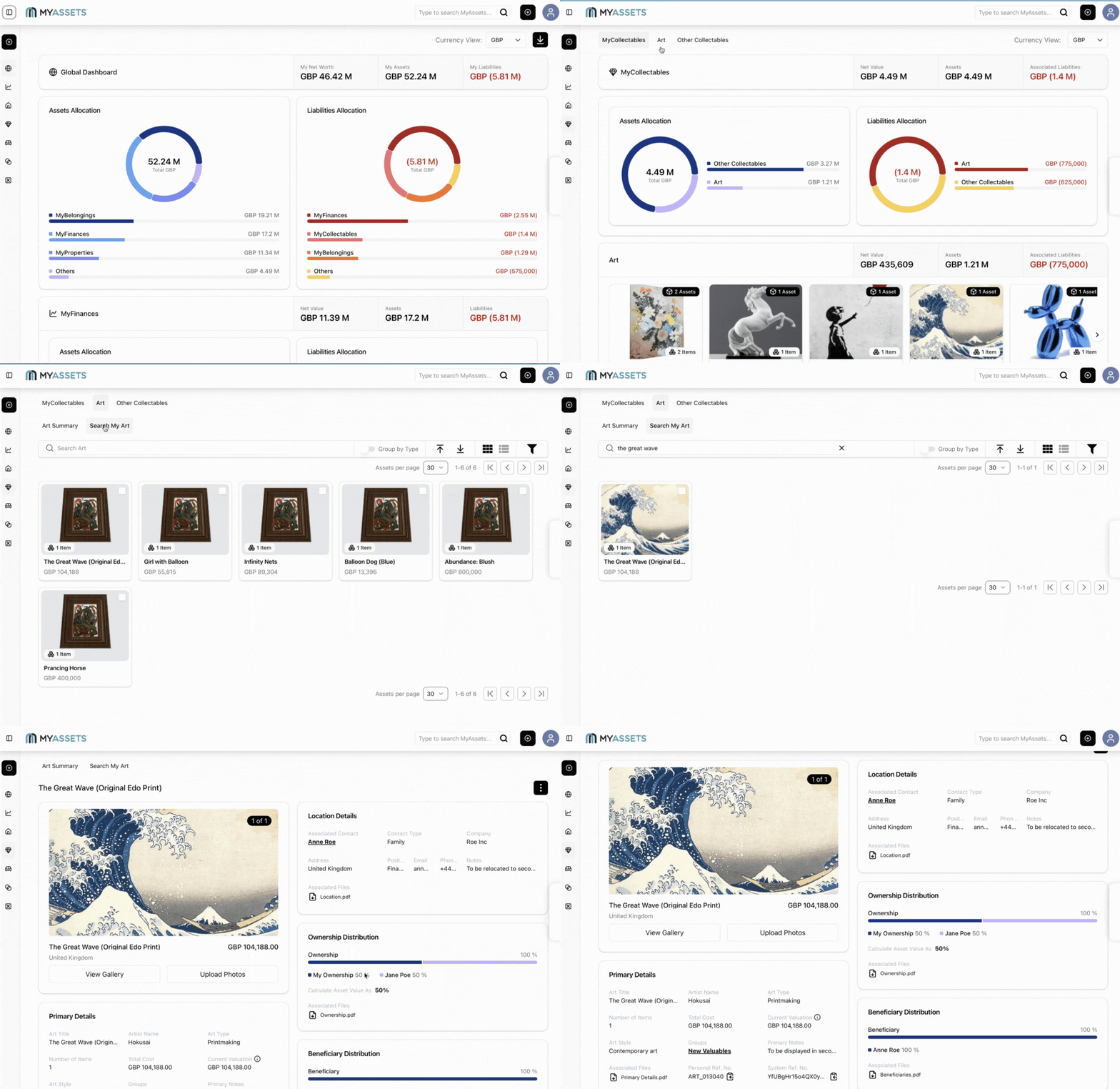
Even better, MyAssets offers a Dashboard that provides a bird’s-eye view of your entire collection, summarising your assets, liabilities, and net value for all your collectables. This data-driven approach to management enables you to monitor your collection’s performance at a glance and identify potential risks or opportunities.
From Risk to Riches: Securing Your Collection with MyAssets
Managing an art collection demands more than passion, as it requires accuracy, organisation, and the discipline to avoid costly mistakes. As seen across the top challenges collectors face, issues like incomplete documentation, outdated records, scattered files, and impulsive purchases can quietly erode the cultural and financial value of any collection.
This is where digital tools redefine what effective stewardship looks like. By shifting from manual, paper-heavy methods to a centralised digital system, you gain the clarity, structure, and oversight needed to protect your investments
MyAssets brings this to life by offering a comprehensive solution that digitises your art inventory, consolidates essential documents, records provenance and appraisals, tracks insurance and expenses, and provides real-time insight into your collection’s overall health.
With every detail in one secure platform, you can make informed decisions, safeguard value, and eliminate the risks that often stem from fragmented management.
Art Management: Frequently Asked Questions
1. What does an art collector desire most?
Art collectors seek pieces that offer compelling aesthetics while staying true to the character of their collection. Above all, emotional impact guides their choices, as they look for pieces that continue to feel meaningful in the long run.
2. How to manage an art collection?
Art collection management requires maintaining a meticulous and centralised art inventory to secure all financial, provenance and legal documentation. It also mandates consistent physical stewardship, including periodic condition reporting and securing specialised insurance, to preserve the asset’s integrity and long-term market value.
3. How to catalogue an art collection?
To catalogue an art collection, first gather all essential information such as artist, title, medium, dimensions, value and date, along with all associated documentation like invoices and certificates of authenticity. The most efficient method is to use a dedicated art app that centralises and digitises all collection details, to help you locate pieces, upload files and images, and organise artworks into tailored groups.
MyAssets: A Digital Gallery For Your Art Collection
Given the wide range of tasks involved in art management, having a solution that can support most, if not all, of these activities is essential for a more streamlined experience. Introducing MyAssets, an asset management platform with a built-in art organiser designed to help you centralise information, track key details, and manage your collections with greater efficiency and confidence.
The Digital Home for You Art
MyAssets serves as a digital gallery for your art collection, as it captures all your art information (purchase history, consignment details, art contacts, physical location, etc.) into one digital space.
Beyond basic cataloguing, it lets you upload important files such as Certificates of Authenticity, conservation images, and appraisal reports, all of which are linked directly to the corresponding artwork.
A Full Picture of Your Collection in One Dashboard
Transform the visual chaos of massive data into a clean, organised, and visually appealing dashboard. With MyAssets, all your collection information is summarised in a single view, highlighting the most crucial details. This allows you to understand your collection at a glance, including insights such as the net value of your artworks, associated liabilities, and category breakdowns, helping you make data-driven decisions.
A Platform for Collaborative Collecting
Collecting with an art advisor? MyAssets supports collaboration with its Delegates feature, allowing you to assign roles, whether to view, create, edit or delete entries. This ensures that advisors and trusted collaborators can contribute to your collection efficiently, while you maintain full control and oversight.
Digitise and organise your art collection with MyAssets, free for 14 days.



