


Are you looking for a software that can help you manage your collections?
For many, collecting is a deeply personal pursuit driven by curiosity, taste, and pride. Yet as art collectables, cards, coins, and antiques accumulate, managing a collection becomes as demanding as building it, especially without a collection management system to keep everything in order.
Too often, the joy of collecting is quickly overshadowed by the stress of lost receipts, outdated appraisals, and the nagging questions: Where did I store that piece? Are my collections protected?
Indeed, the stakes for home collectors are higher than most realise. According to the FBI, 52% of art thefts in the U.S. occur in private residences, whereas professional galleries, which are often perceived as high-risk targets, account for a mere 10% of thefts. This discrepancy exists largely because galleries treat their inventory with professional rigour, while private collections often remain undocumented and vulnerable.
Cataloguing software fills this gap by providing the digital backbone for art and collectables, transforming basic lists into a detailed archive that captures each piece’s history, significance, and current status.
While software providers may claim to be the best, this guide puts the power in your hands. It summarises leading solutions and their standout features, helping you select the best collection management software that truly meets your collecting needs.
- Key Features to Look For in a Collection Management Software
- Best Collection Management Software
- For Art Collecting
- For Niche Collectables (Coins, Cards, Watches, and stamps)
- For General Personal Collections
- Selecting The Best Collections Software For Your Keepsakes
- Collector Software: Frequently Asked Questions
Key Features to Look For in a Collection Management Software
The right collector tool does more than store information; it transforms how collectors manage their collection. These key features ensure every physical asset is tracked, valued, and protected.
1. Inventory Management
As the collection grows, keeping track of every piece, including its location, condition, and purchase price, becomes increasingly complex.
Collection cataloguing software addresses this by providing a centralised, digital home for every item through its inventory management feature. From documenting historical provenance and appraisal history to storing multi-angle photos and serial numbers, this feature ensures that collectables are not only organised but also audit-ready for insurance claims or future sales.
Discover top collectables: 2026 Collectors’ Favourites

2. Condition Reporting
While documenting an artwork’s condition is standard in galleries and museums, condition reporting is equally important for all types of collections, from antiques to coins and other rare collectables.
Over time, these treasures can suffer wear, damage, or environmental effects. Without proper condition records, collectors risk undervaluing pieces, overlooking necessary conservation, and facing disputes when selling or insuring physical assets.
Condition reporting features allow collectors to systematically document the state of each item, including photos, notes, and updates over time. This creates a reliable record for:
- Accurate valuation for sales or appraisals.
- Insurance documentation and claims support.
- Preservation of items over time.
- Smooth handling of future transactions.
3. Search and Retrieval
As collections grow, finding specific items quickly can become frustrating. Scattered records, incomplete details, or inconsistent labelling make it difficult to locate a piece when needed, whether for art displays, sale, or insurance purposes.
Search and retrieval features allow collectors to locate items using:
- Categories
- Keywords
- Tags
- Visual references
Through this feature, collectors streamline access, save time, and ensure that every detail can be searched and retrieved efficiently whenever.

Best Collection Management Software
Managing a growing collection requires clarity and reliable oversight, making the selection of the best collection software essential. More than a simple database, the right management software serves as a single source of truth, preserving the narrative and value of each item. This article highlights leading collection management software, categorised by their areas of specialisation.
For Art Collecting
Whether keeping records of newly acquired pieces from an art exhibition or maintaining long-term documentation, the right art collection software helps organise, safeguard, and manage your collection with confidence.
Below is a curated list of art collector software designed to support different art collection needs.
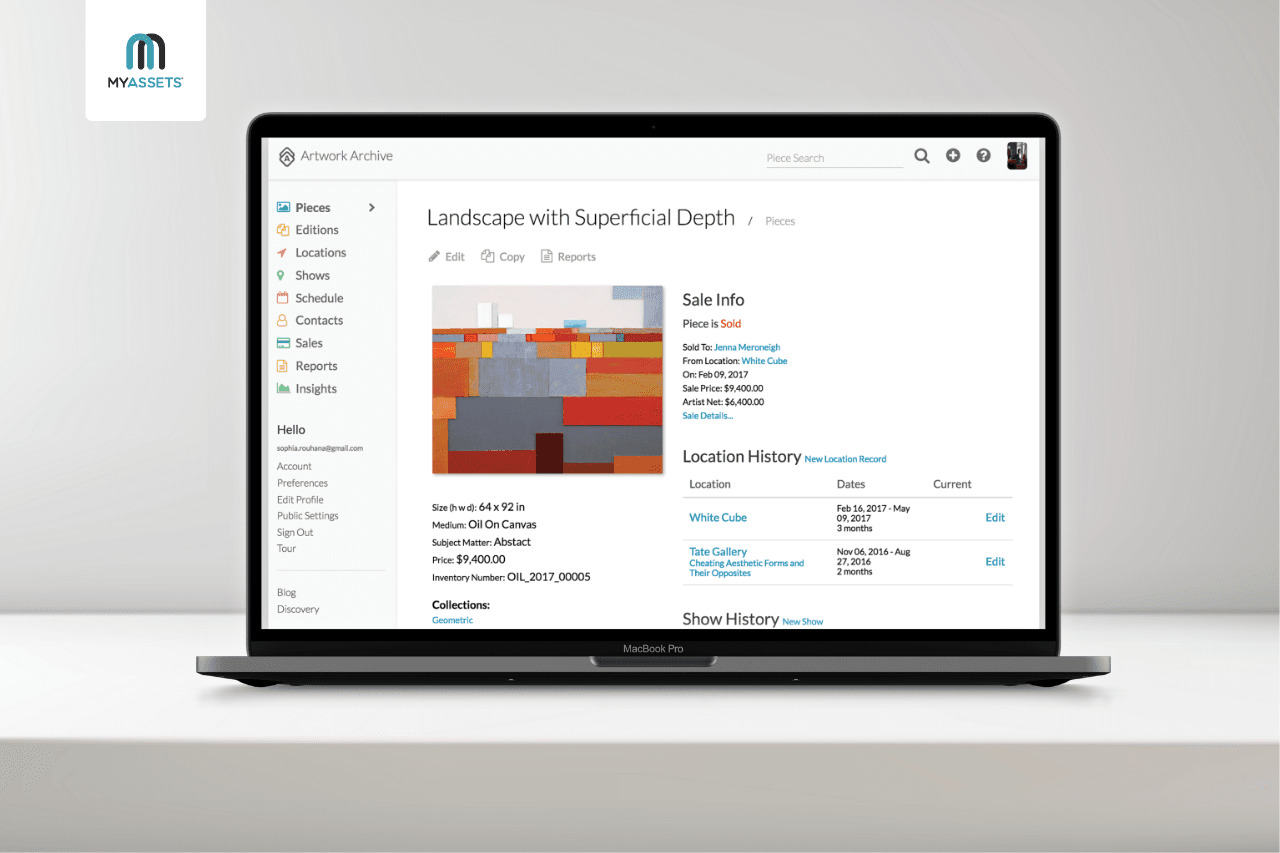
1. Artwork Archive
Artwork Archive is an art collection management platform that helps users organise works based on different art styles, track provenance, and generate reports. Designed for collectors at any stage, it simplifies cataloguing, condition updates, and understanding collection value.
Pros
- Includes all-in-one tools for managing inventory, monitoring sales, coordinating exhibitions, handling invoicing, producing reports, and running a website.
- Provides a user-friendly platform with a visually appealing interface that simplifies art management.
- Share collections easily and professionally with clients or partners using the Private Rooms and Public Portals feature.
Cons
- Entering all data at first can be time-consuming, but it proves valuable over time.
- Some users look for enhanced customisation, including the ability to create custom fields within the platform.
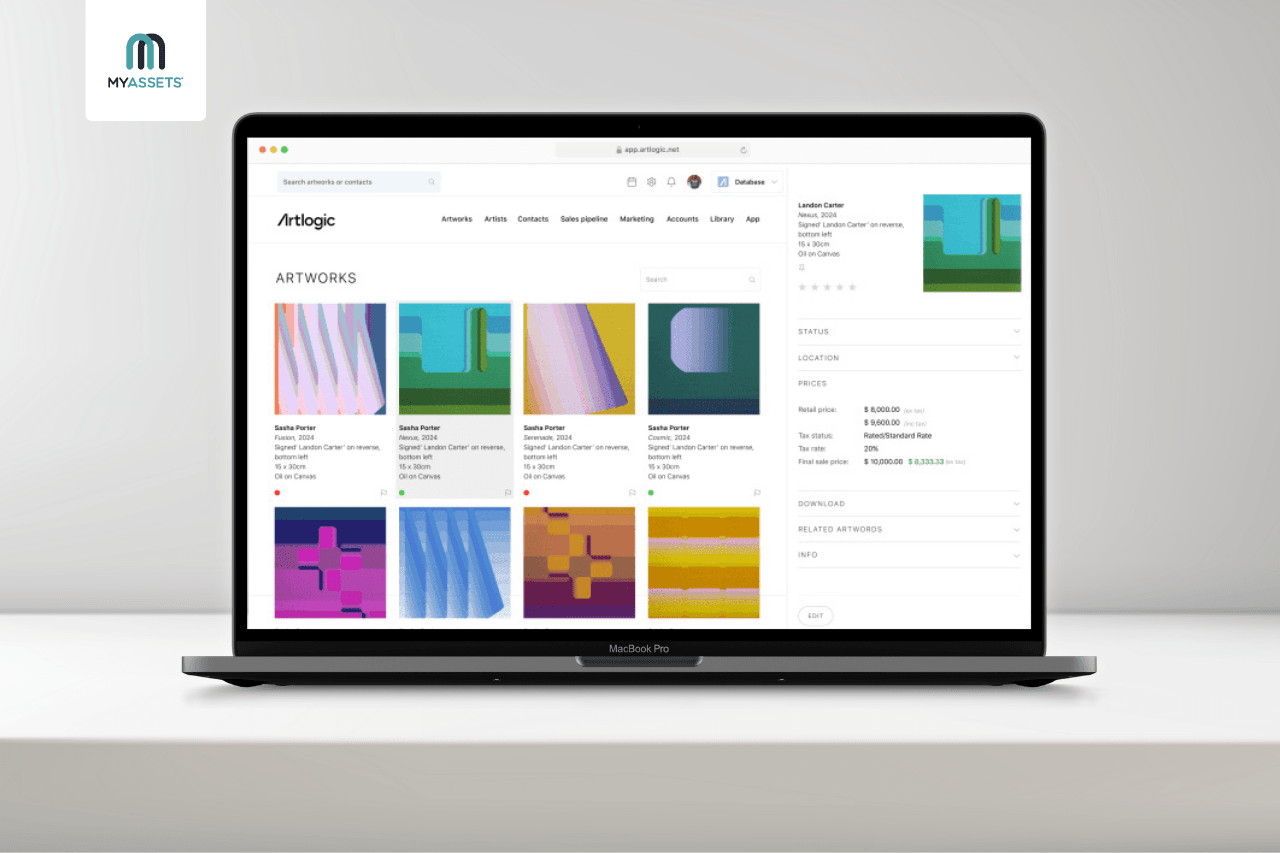
2. Artlogic
Artlogic is an art management solution with specialised tools that help manage inventory, sales, marketing and websites. More importantly, it centralises data collection, client contacts, and finances, which lets users efficiently handle provenance, artwork records, invoicing, and e-commerce.
Pros
- Automates invoicing, marketing emails, and event management, saving valuable time.
- Detailed tracking of artworks, provenance, and history.
- Integrates with Artsy to streamline inventory syncing, artwork selection, and online showcasing for effortless publishing.
Cons
- Advanced functionality comes with a steeper learning curve and longer setup time.
- The subscription may feel costly for smaller users (i.e. small art galleries and first-time collectors), especially when only a portion of the platform’s features is required.
Learn more: How to Build Your Art Collection in 7 Steps
For Niche Collectables (Coins, Cards, Watches, and Stamps)
Niche collectables, such as coins, cards, and watches, require specialised tools that do more than just list items; they must track real-time market values, professional grading (PSA/PCGS), and technical specs like movement or mint marks.
The following collection tracking software is designed to address the unique management needs of these highly detailed and often high-value collections.
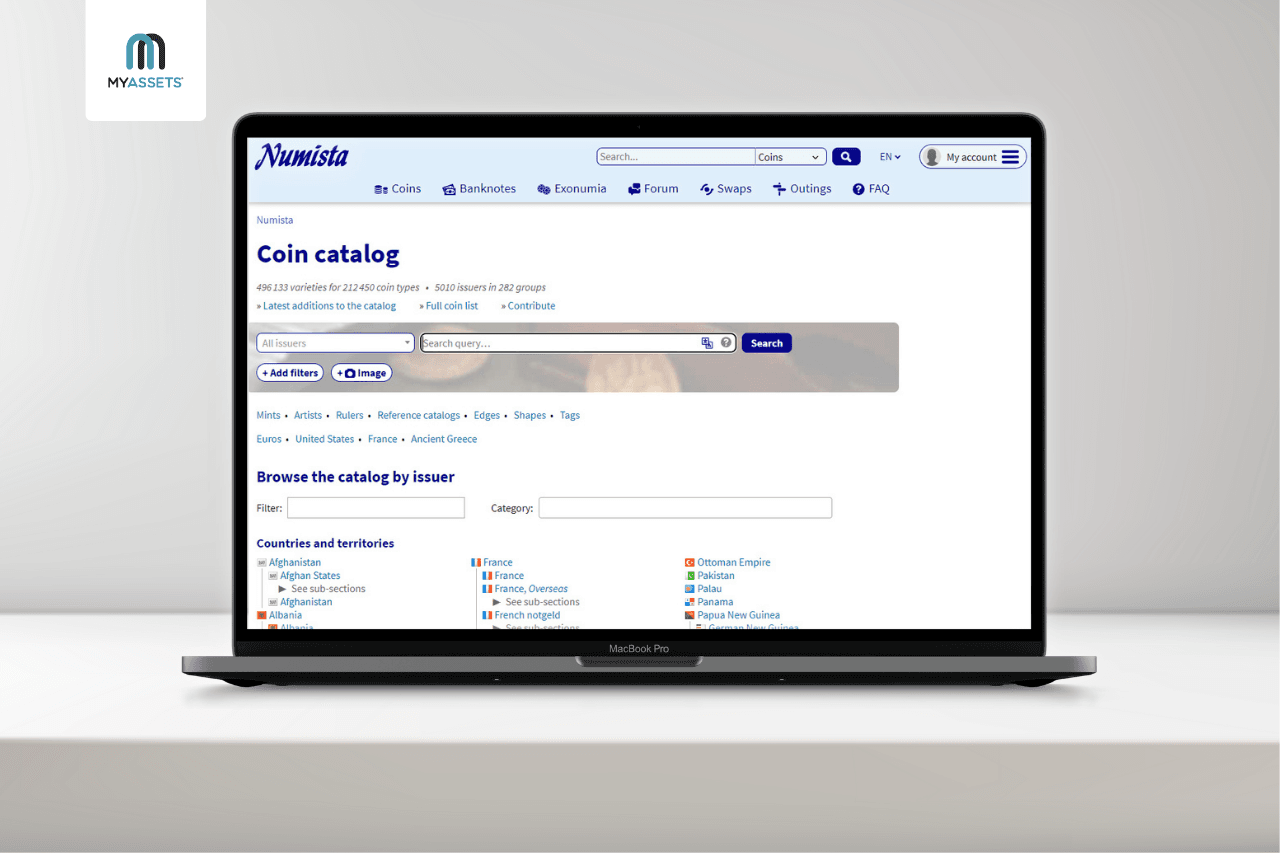
3. Numista
Numista is a community-powered platform for coin and banknote collectors, offering a comprehensive coin collecting database to identify items, manage collectable investments, and connect with fellow numismatists.
Pros
- Easily track and manage collections online from any device, with insightful statistics and a visual heat map of one’s collection.
- Features a large, community-created database of coins and banknotes from around the world, ideal for identification and research.
- Delivers a large, active, and secure community centred on coin swapping, reflecting its non-commercial, sharing ethos.
Cons
- Free accounts provide only 500 MB for personal photos, which may be limiting for collectors with extensive collections.
- The free version is supported by ads, which may be seen as intrusive or disruptive while browsing.
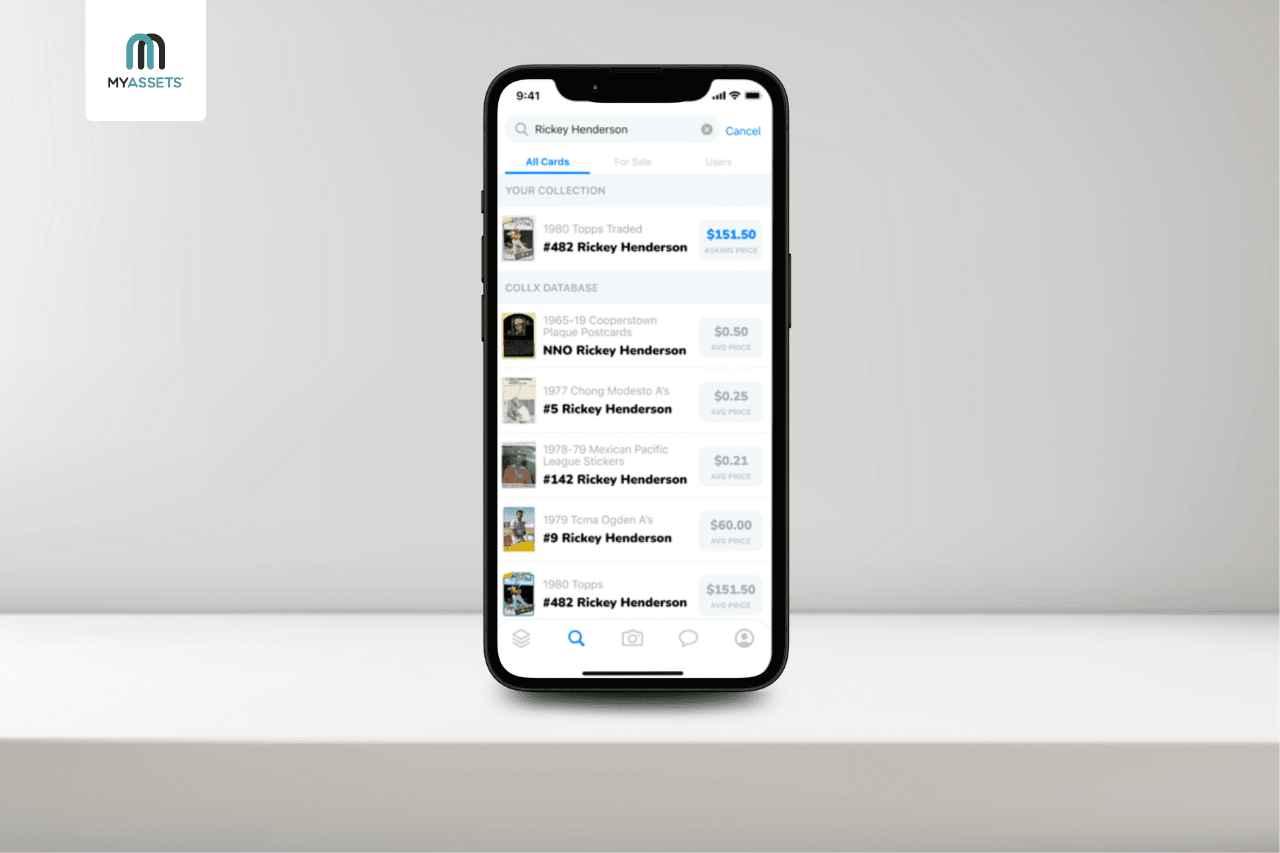
4. CollX
CollX is a card collecting app that simplifies trading card management by using visual search to identify cards from a single photo. The app also provides collectors with instant valuations by pulling real-time market data from sources such as eBay, along with a streamlined dashboard to track portfolio growth.
Pros
- Applies AI technology to identify and catalogue sports cards, simplifying collection management.
- Enables collectors to network and buy or sell trading cards.
- Provides daily average pricing from multiple marketplaces to provide a benchmark for card values.
Cons
- Price estimates can be inconsistent, requiring cross-checking for accuracy.
- Takes a 10% cut on each sale, potentially adding up for frequent sellers.
5. WatcheePro
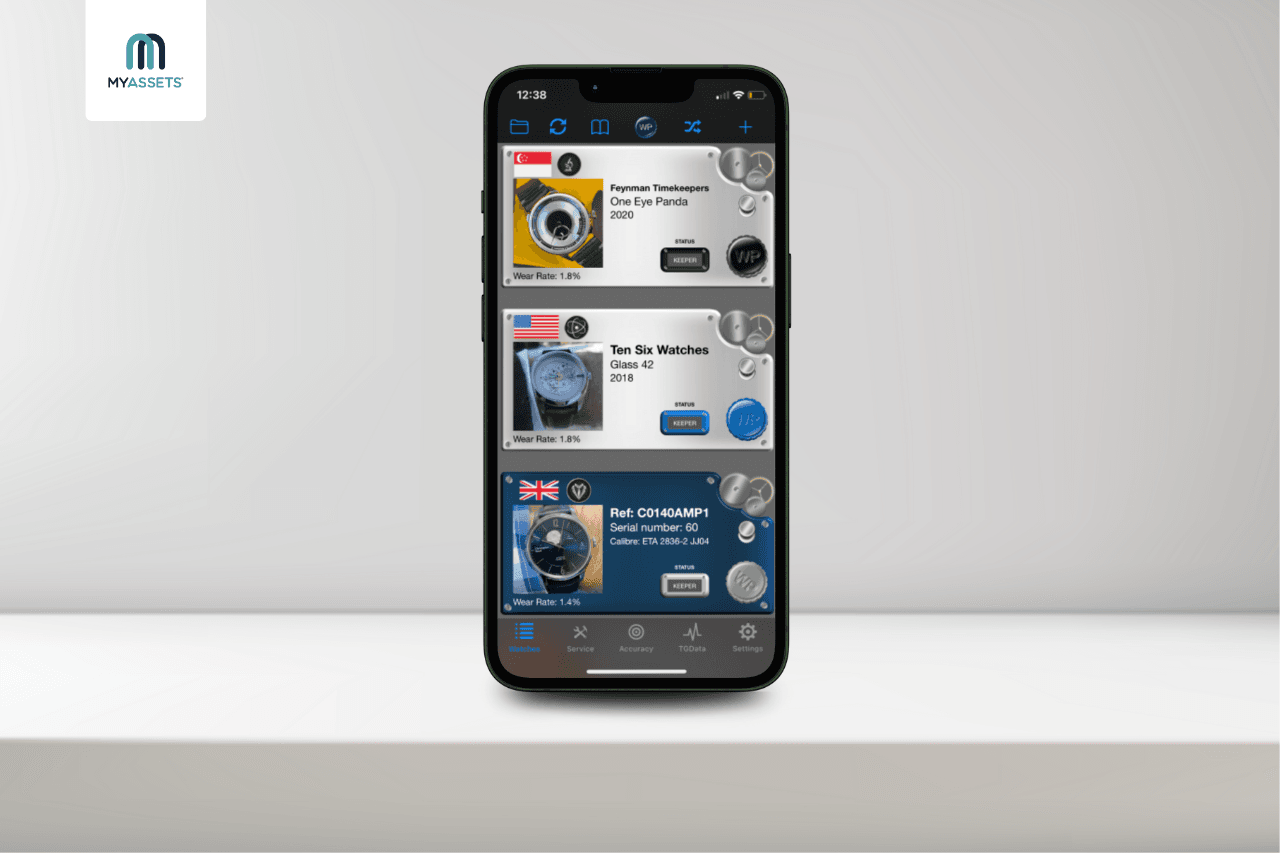
WatcheePro is a watch collection tracking app which enables horophiles to log, track, and analyse timepieces. Users can store specifications, monitor wear history, manage service records, calculate accuracy, and view collection statistics through customisable interfaces.
Pros
- Data is kept locally on the device, enabling core features to function offline.
- Generates useful metrics, including total cost, average size, wear patterns, and keeper or seller ratings, to guide collectors in collections management.
- Logs extensive watch information, covering purchase information, service history, movement, serial numbers, dimensions, and six complications.
Cons
- The app is mainly available on iOS, restricting access for Android users.
- The cost may feel high for users who only need basic functionality.
6. EzStamp
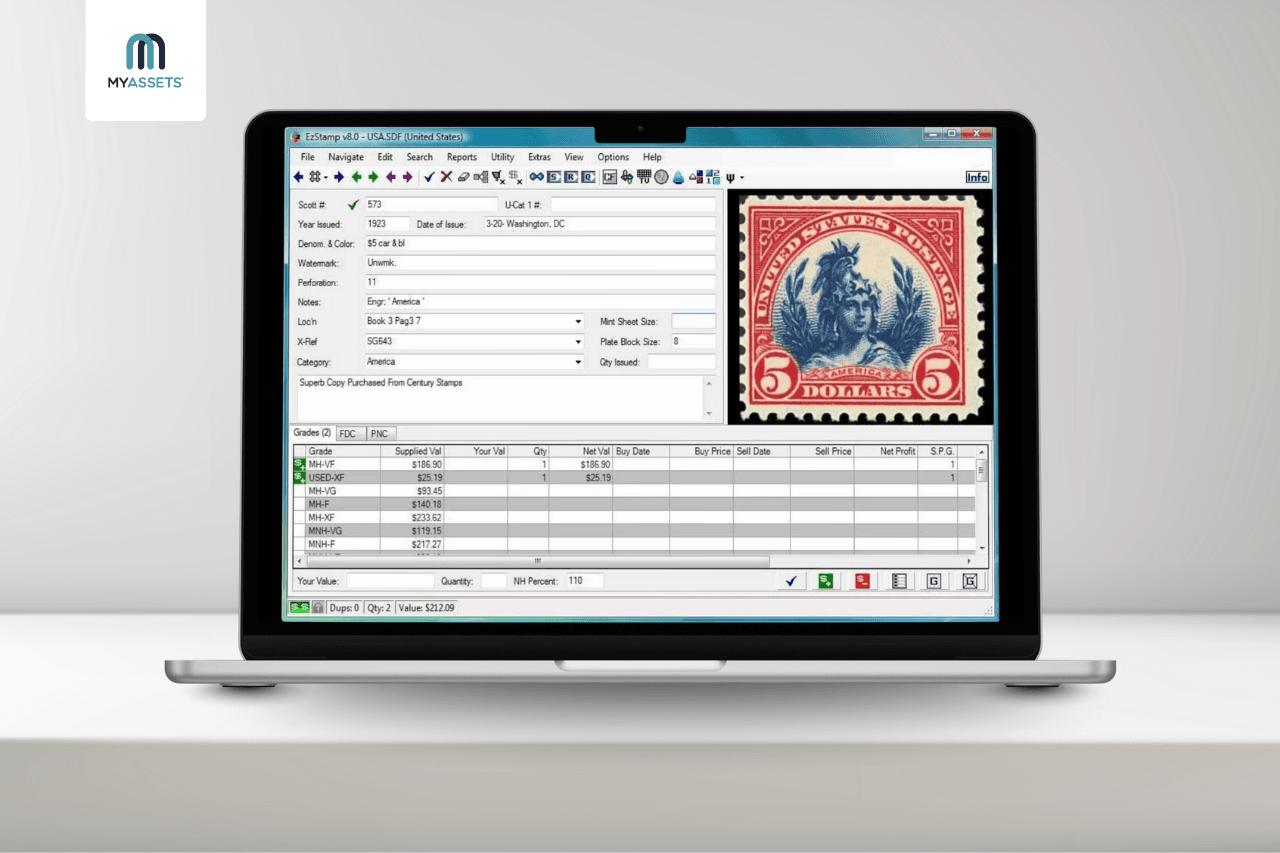
EzStamp is a stamp collecting software that helps philatelists to inventory, organise, track and value their stamp collection. Featuring an expansive database of nearly one million listings and high-resolution images, the software allows users to identify specimens using the industry-standard Scott Numbering System.
Pros
- Creates comprehensive inventories, valuation summaries, wish lists, and insurance reports.
- Includes self-scanned colour images for accurate identification, with optional stamp recognition software to speed up manual lookups.
- Incorporates the industry-standard Scott catalogue system for reliable identification and value tracking.
Cons
- Runs on Windows desktops only, so users cannot access it via mobile or online platforms.
- The desktop interface may feel old-fashioned and less intuitive relative to mobile applications.
For General Personal Collections
For those who collect a little bit of everything –from family heirlooms and fine art to vintage toys and household items, a general-purpose collection management app provides the flexibility to catalogue diverse assets in one place.
7. MyAssets
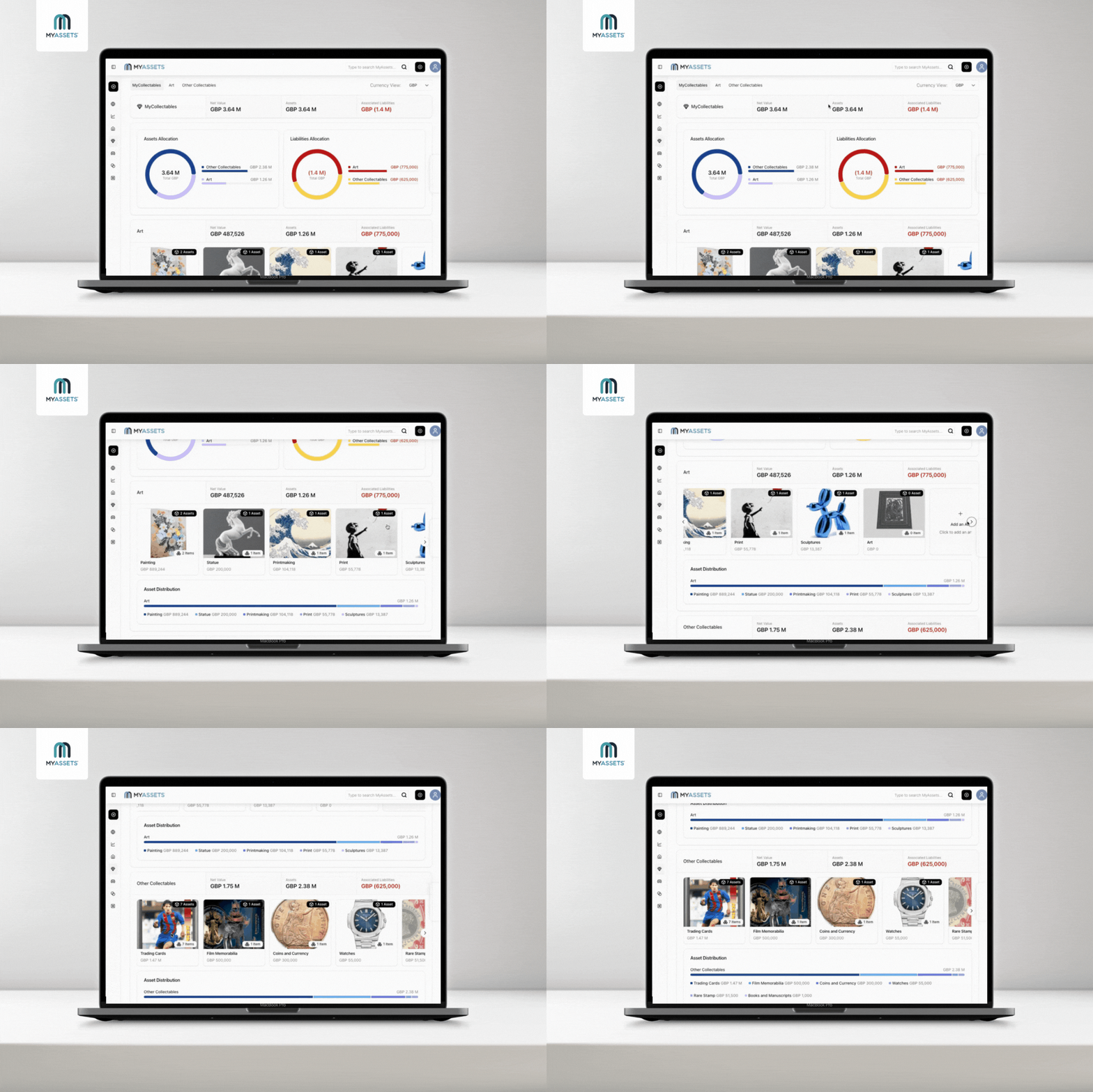
As a cataloguing software, MyAssets excels in keeping detailed records of a variety of collectables, from art, antiques, and sports cards to coins, comic books, and vinyl records. It also extends beyond objects, tracking purchase financing and associated property assets, making it easy to locate and manage each item.
Pros
- Facilitates bulk import, helping collectors populate their database with purchase info and item details.
- Provides a dashboard showing a summary of your assets, liabilities, and net value specific to your collectables.
- Uses smart asset linking to connect collections with other asset categories in the platform, creating a cohesive and dynamic asset ecosystem.
Cons
- Requires manual data entry, challenging collectors with large collections.
- Some features are still under development, which will eventually offer even more tools for collectors.
8. Catalogit
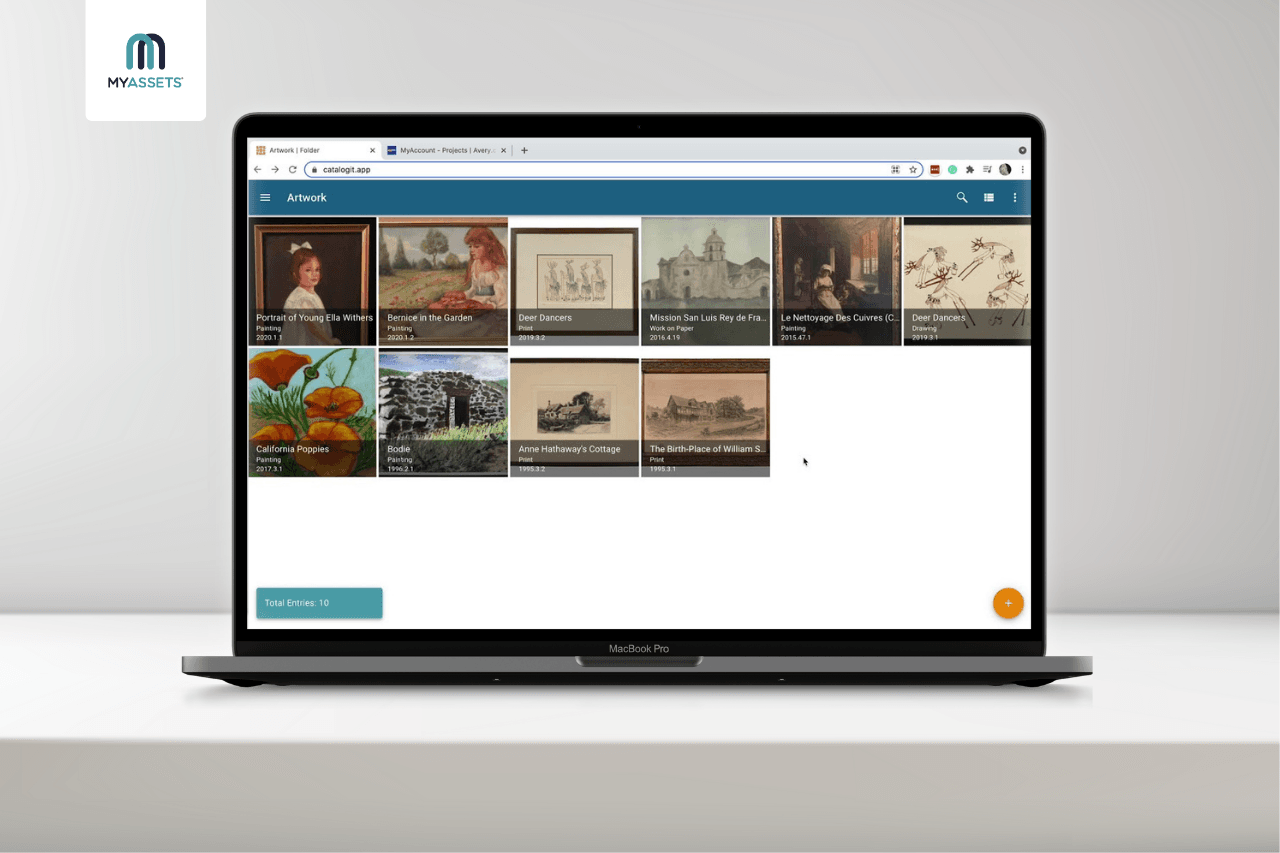
Catalogit is widely acclaimed as the best collection management software, offering tools for documenting, managing, and sharing collectable items. It empowers users to go beyond basic logging by recording intricate details and establishing meaningful links between related objects, effectively building a rich digital narrative as the collection grows.
Pros
- Connects items to people, places, and concepts, building a rich information network.
- Recognised for prompt, reliable, and supportive customer service.
- Runs in the cloud, allowing collections to be viewed and edited from anywhere on any device.
Cons
- The search experience can feel less intuitive than expected for some users.
- Some features and layout elements may not be immediately clear to new users.
9. iCollect Everything
iCollect Everything is a web and mobile platform for cataloguing everything from books and video games to niche assets, such as LEGO, wine, and business inventory. It streamlines management through barcode scanning, AI-powered identification, and customisable templates for unique items.
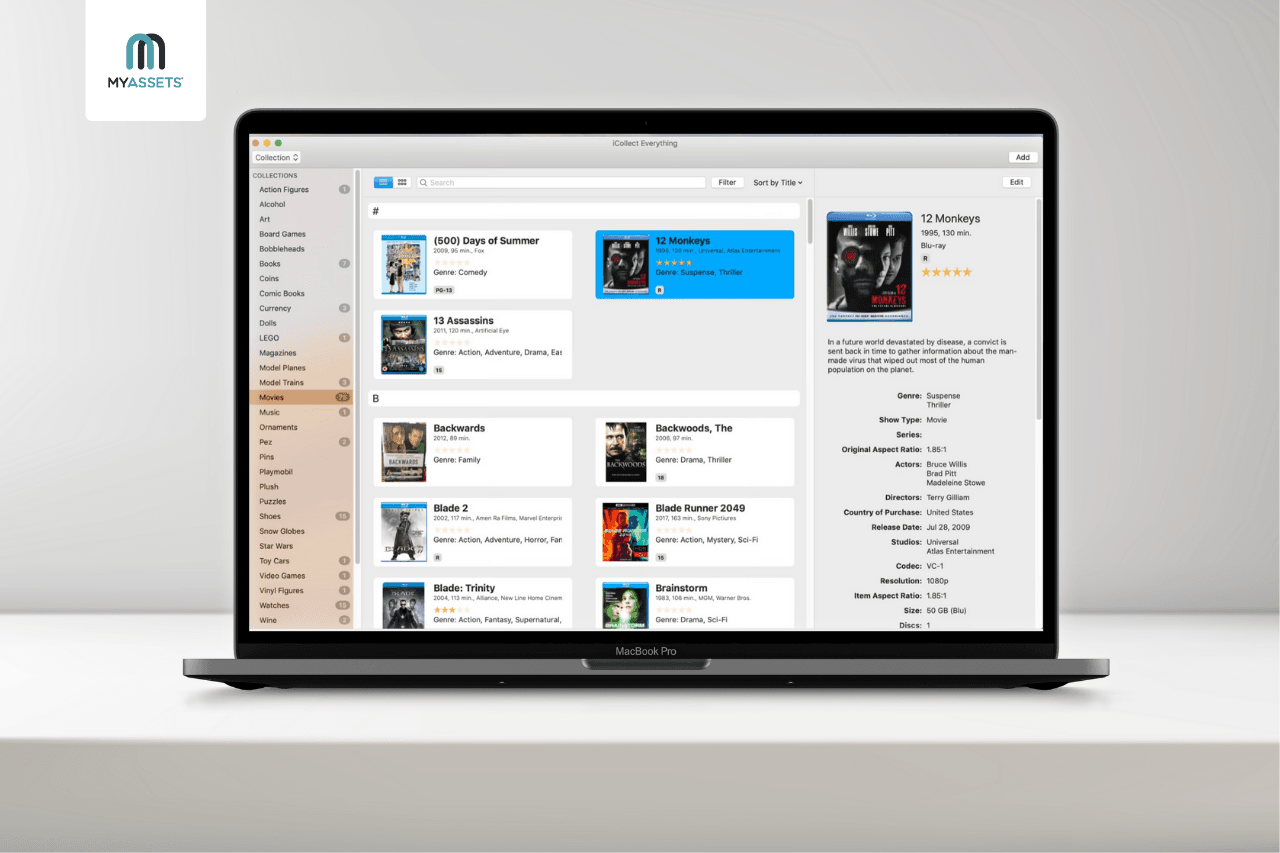
Pros
- Equipped with a scanner that simplifies and speeds up entering items.
- Supports adding images and item-specific details like condition and purchase price.
- Supports sharing collections or wishlists with others through the web.
Cons
- Highly niche or handmade collectables still need extensive manual entry.
- The trial only allows 15–30 items, which can become a blocker for users with larger collections.
10. Kolekto
Kolekto is a cloud-based inventory app suitable for hobbyists and professionals managing collections. Users can organise unlimited collectables with custom fields, attach images, and manage inventory on mobile devices. It also features barcode scanning for fast entry, a marketplace for trading items, and options to export or share data.
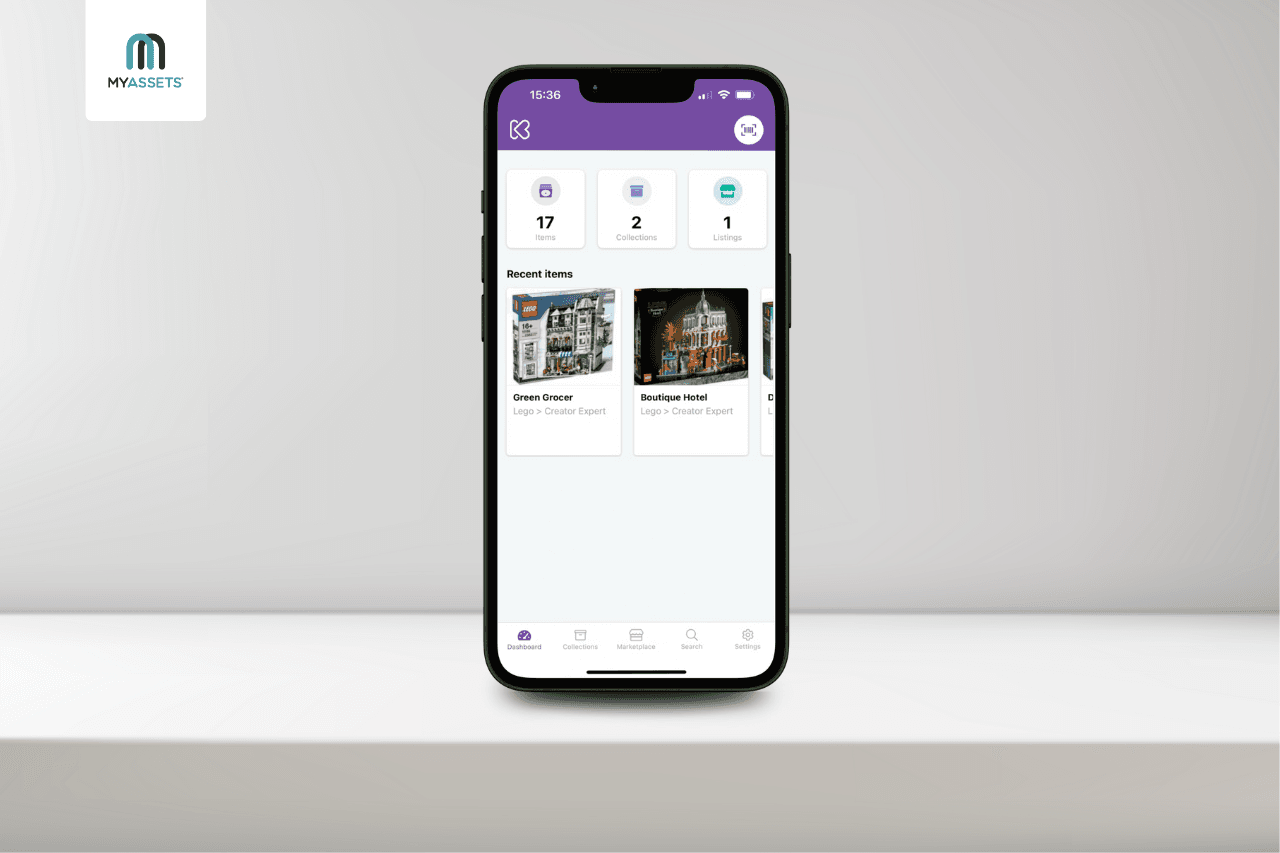
Pros
- Enables collectors to browse, sell, and buy collectables without paying listing fees.
- Offers export options (CSV/Excel) and the ability to share items or collections online.
- Supports quick cataloguing by using the mobile camera to scan barcodes.
Cons
- A single flat-rate plan might be less appealing to collectors with small inventories who prefer lower-cost or limited-feature options.
- The app does not yet offer built-in advanced analytics to track collection trends or value changes over time.
Selecting The Best Collections Software For Your Keepsakes
Choosing the best collection management software ultimately depends on the type of items a collector owns and how they wish to manage them. Key features to consider include inventory management, condition reporting, and efficient search and retrieval, which ensure the collection remains well-organised, documented, and easily accessible.
For art collectors, platforms like Artwork Archive and Artlogic excel at cataloguing artworks, tracking provenance, and generating reports.
Those with niche collectables, such as coins, trading cards, watches, or stamps, can benefit from Numista, CollX, WatcheePro, or EzStamp, which offer specialised tools for identification, valuation, and inventory tracking.
For general personal collections, versatile software like MyAssets, Catalogit, iCollect Everything, and Kolekto provides the flexibility to manage a wide range of items in one place, with features like bulk import, asset linking, and cloud-based access.
By considering the type of collection, desired features, and ease of use, a collector can select the software that best helps organise, track, and protect treasured items, making the management of art and collectables simpler and more efficient.
Collector Software: Frequently Asked Questions
1. What is the best software for collectors?
The best collector software varies based on the type of items and management needs: Artlogic excels at handling art inventory, sales, and marketing; Numista is ideal for identifying and managing coins; and MyAssets is designed for organising and tracking a wide variety of collections.
2. What is the best platform to sell collectables?
The best platforms for selling collectables depend on the item type, but Kolekto Marketplace allows collectors to browse, buy, and sell items with no listing fees, while CollX (for cards) provides specialised marketplaces tailored to niche collectables. These platforms simplify trading and help reach interested buyers efficiently.
3. How to organise collectables?
Commonly, collectors organise items by themes, colours, or types to maintain a tidy collection. However, for a more effective approach, it is advisable to utilise collection management software, which assists from the initial cataloguing of items to categorising, tracking provenance, monitoring condition, and easily locating pieces, ensuring the collection remains well-organised and accessible.
MyAssets: The Smart Organiser Your Collections Deserve
Whether managing a few treasured heirlooms or an extensive collection of sports memorabilia, an organised collection gives collectors the clarity to know exactly what treasure to hunt next and which items require specialised care.
However, as a collection grows, tracking past purchases and recording all preservation or storage needs becomes increasingly complex. This calls for sophisticated cataloguing software that streamlines the process, freeing collectors from the frustration of endless paperwork, missed maintenance schedules, and lost provenance.
But the question here is: how do you keep them organised? This is where a collection management software like MyAssets comes in.
A Digital Repository for Your Collectables
Primarily an asset management platform, MyAssets empowers collectors to build a comprehensive digital archive of every piece in their portfolio. It centralises critical data, including:
- Acquisition costs
- Condition reports
- Physical locations
- Purchase dates
By consolidating these details, MyAssets provides the visibility needed to monitor appreciation, manage insurance requirements, and make informed decisions about future acquisitions or sales.
A Document Vault for Certificates, Receipts, and Records
What’s more, it allows collectors to digitise important documents, such as certificates of authenticity, provenance records, and purchase receipts, securely in a document vault, ensuring all essential paperwork is organised, easily accessible, and safely stored.
A Tool to Categorise Your Collectables
MyAssets elevates organisation through its Groups feature, which allows collectors to customise, categorise, and classify their collectables in groups.
Rather than a simple list, they can create dynamic clusters based on their own logic, whether that means grouping items by type, themes, conservation needs, or any other criteria, making it manageable to locate and gain insights into a particular collection.
Ready to transform your collection into a fully organised, easily manageable catalogue? Try MyAssets free for 14 days.



