

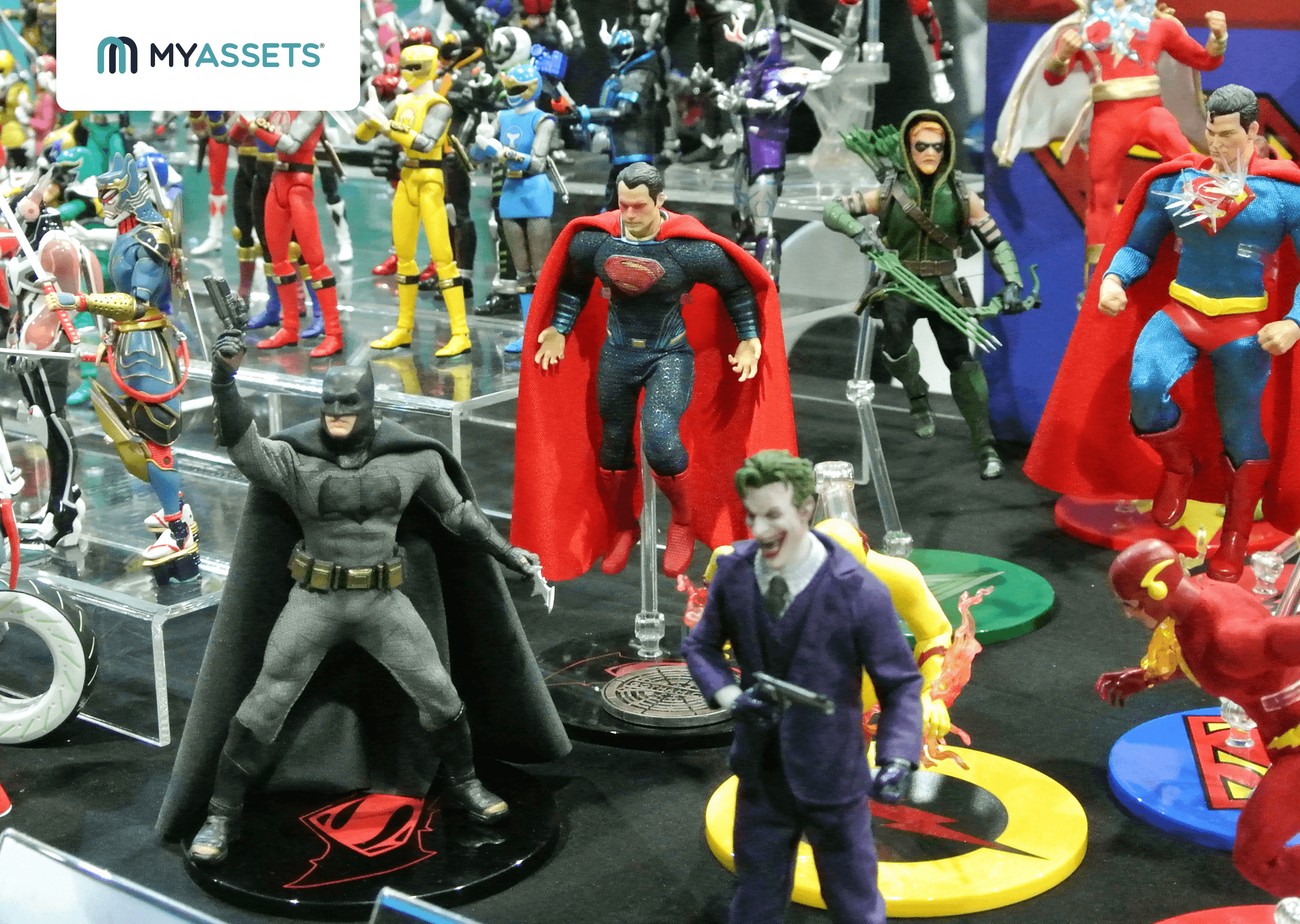
Collecting toys isn’t just for kids anymore; it is a grown-up pursuit fueled by nostalgia, style, and investment potential. In fact, this shift is evident in the collectable figure market. According to data from Circana, nearly 40% of European consumers now buy these collectables for themselves rather than for children.
This demographic shift underscores the toy industry’s expanding role beyond traditional play. Action figures are increasingly positioned as lifestyle, fandom, and self-expression items, with the most valuable action figures viewed less as a plaything and more as pop-culture art.
How so? As Business Research Insights highlights, these meticulously crafted figures act as tangible tributes to iconic characters and moments, from superheroes and movie villains to video game protagonists, allowing collectors to hold a piece of cultural history in their hands
As a result, action figure collecting now demands a more intentional approach. Whether focused on rare 80s action figures or the latest releases, collectors benefit from collecting with a purpose —one that reflects personal passion or long-term value. By collecting strategically, aspiring figure collectors can build action sets that are meaningful and potentially rewarding.
Are you interested in collecting action figures? Luckily, this article provides a comprehensive guide for both new and seasoned collectors, offering valuable insights on how to collect action figures. From sourcing the best action figures to collect to growing these top collectables, this guide covers everything you need to start and expand your collection with purpose.
- Why Do People Collect Action Figures?
- How to Collect the Most Valuable Action Figures
- Identify Your Collecting Focus
- Define Your Budget
- Determine the Value of Action Figures
- Hunt for Your Action Figures
- Store and Display Your Collection
- Catalogue Every Figure
- My Figure Collection: From Passion to Purpose
- Collect Action Figures: Frequently Asked Questions
Why Do People Collect Action Figures?
Action figure collecting has grown far beyond a childhood pastime, attracting enthusiasts of all ages and backgrounds. From nostalgia to long-term value, the following are the reasons why people collect action figures.
Childhood Nostalgia
While some argue that adults should outgrow toys, many toy collectors, often referred to as kidults, see action figures as vital bridges to their past. For these people, the hobby is driven almost entirely by nostalgia, serving as a physical anchor to the characters and stories that shaped their upbringing.
By collecting these figures, kidults can:
- Maintain a tangible connection to a personal history that spans decades.
- Relive formative memories sparked by the first time they encountered their favourite heroes.
- Preserve the legacy of the narratives they love, ensuring those childhood sparks remain alive and shareable with a like-minded community.
Essentially, these items are curated vessels of sentiment that keep the owner’s most cherished memories from fading.

Personal Hobby
For many, collecting action figures is a hobby that serves as a vital outlet for relaxation and creativity. Much like any other pastime, it offers a way to decompress after a long day, while allowing individuals to develop specialised skills in curation and display.
These collectors often treat their action figure acquisitions as personal art galleries. By showcasing their favourite movie action figure collectables in a home or office, they turn their passion into a conversation piece that reflects their personality.
Ultimately, the hobby is about the simple joy of the hunt and the pride of building a collection that represents the stories they value most.
Financial Investment
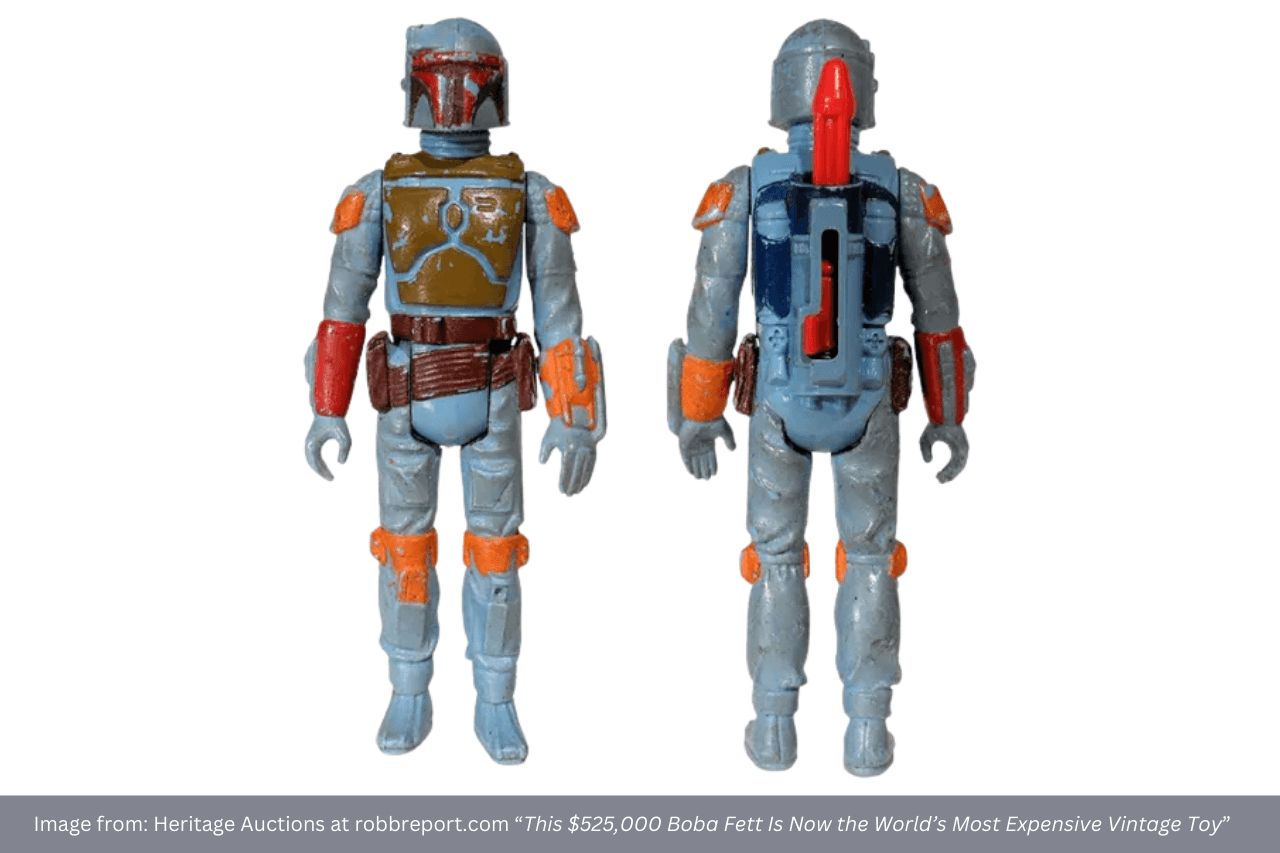
Collecting action figures has become a calculated financial pursuit for many, where rare items function as high-value alternative investments. The stakes were underscored when a 1979 Kenner Star Wars Boba Fett figurine fetched $1.342 million (£1.04 million), officially becoming the most expensive action figure ever sold at an auction.
However, such astronomical returns are rare; the majority of action figures do not command high market prices, making careful research into rarity, professional grading, and condition essential for any collector approaching them as an investment.
How to Collect the Most Valuable Action Figures
Learning how to collect action figures goes beyond buying what looks good. It involves informed choices, careful planning, and a clear collection focus. Below are the following steps to get started.
1. Identify Your Collecting Focus
Before acquiring one’s first action figure, a collector must define a clear focus to ensure the collection remains valuable. While value is a subjective term, it generally falls into two categories: financial and personal.
A collector might focus on investment-grade acquisitions, targeting rare variants like the 1980s figure, Pepsi Optimus Prime, with high resale potential. Conversely, a collector might prioritise sentimental value, curating a selection of their favourite characters, such as Donatello from the original Teenage Mutant Ninja Turtles series, building a set that reflects personal nostalgia.
To explore the different ways to define and refine an action figure collecting focus, explore the following:
Investment-Driven
When action figures are treated as an alternative investment, priority is given to market scarcity and condition. This strategy typically involves:
- Condition and Grading: Targeting unpunched cards, flawless bubbles, with AFA Silver to Gold levels verified by grading companies like Action Figure Authority (AFA) or UK Graders (UKG).
- Grails: Focusing on historically significant figures, including vintage prototypes or rare convention exclusives (i.e., Star Wars Silver Boba Fett and Vintage Star Wars Droids Vlix Figure).
Passion-Driven
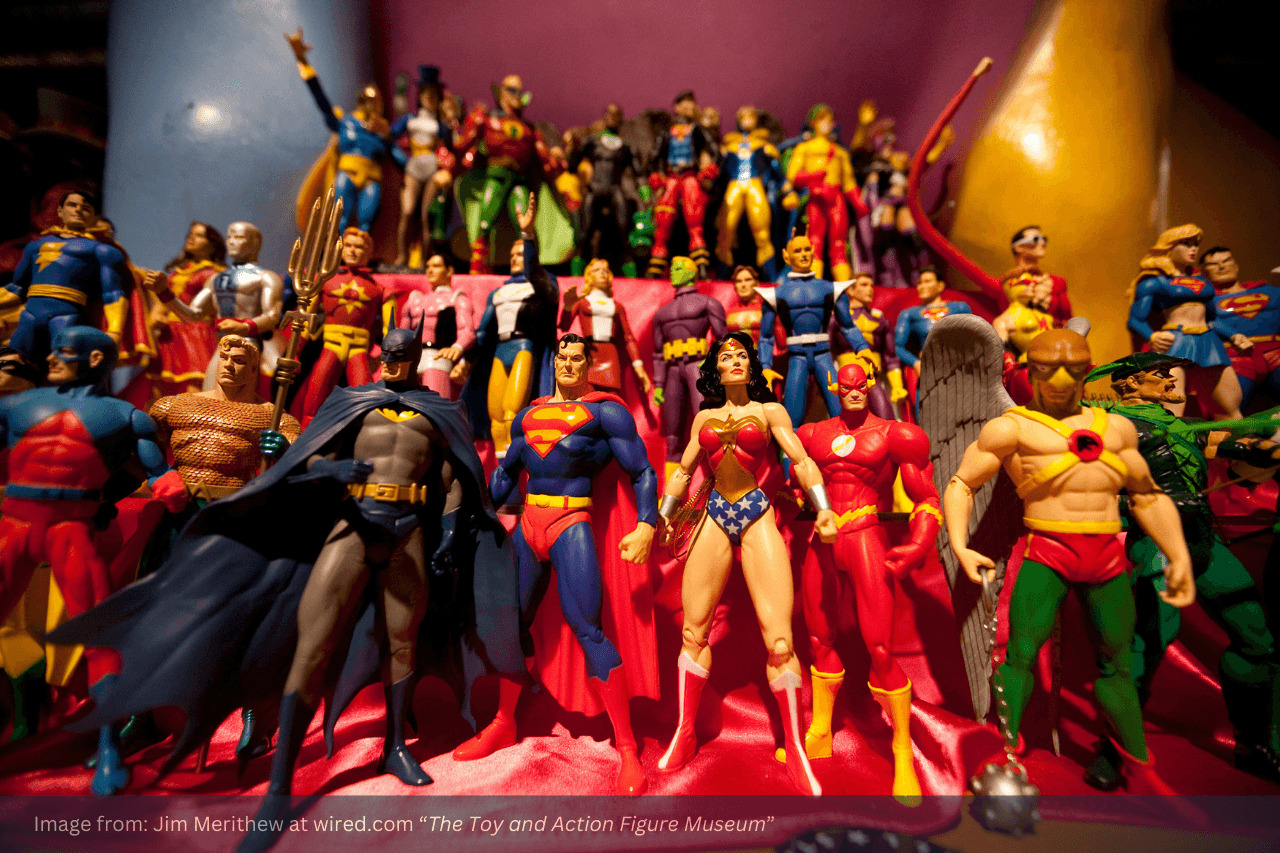
Many action figure enthusiasts collect for emotional and visual appeal, where the true reward is the pleasure of ownership. This focus often covers:
- The Completionist: A goal-driven strategy wherein the collector aims to acquire every figure within a specific wave, franchise, or sub-line.
- The Creative: Focusing on action figures used for display, photos, or dioramas, where collectors prefer unboxed figures for interactive purposes.
- The Curator: Collects the most iconic, high-end figures, with a focus on detailed craftsmanship from premium makers like Hot Toys or S.H. Figuarts.
By establishing this focus early, a collector can avoid impulsive purchases and instead build a cohesive gallery that serves as either a physical asset or a deeply personal tribute to their favourite fandoms.
Learn: How to Manage Your Physical Assets at Home
2. Define Your Budget
Building the best collectable figures requires the same financial discipline as any other serious investment. To avoid overspending during the thrill of the hunt, collectors must define their budget as the market is highly volatile.
This means prices often jump from accessible retail rates to steep aftermarket premiums the moment a figure sells out, making budgeting essential for setting boundaries and ensuring the hobby remains sustainable.
Here are some strategies to consider when setting a budget:
- Set Realistic Boundaries. Set realistic monthly or quarterly limits based on the budget. While basic figures cost £6 to £15, high-end imports, large statues, or vintage collectables can run into the hundreds or thousands. Planning for these big-ticket items works best with long-term saving, rather than relying on credit.
- Leverage Retail over Aftermarket. To make the most of a budget, collectors should watch out for pre-order alerts and clearance sales at major retailers. Buying at retail helps avoid the higher prices that appear once figures become scarce on the aftermarket.
- Prioritise Quality over Quantity. Instead of buying several common figures that may not appreciate, a savvy collector focuses on saving for one high-quality, rare piece that will retain its worth.
By treating one’s collection as a curated portfolio, collectors ensure that their hobby remains a source of joy and a potential asset rather than a financial burden.
3. Determine the Value of Action Figures
When action figures are treated as investments, a few key factors determine whether they gain or lose value. Understanding these elements helps distinguish the most valuable action figures from ordinary toys.
This raises an important question: What influences the value of action figures? Listed below are factors shaping its value:
- Condition: The physical state of an action figure.
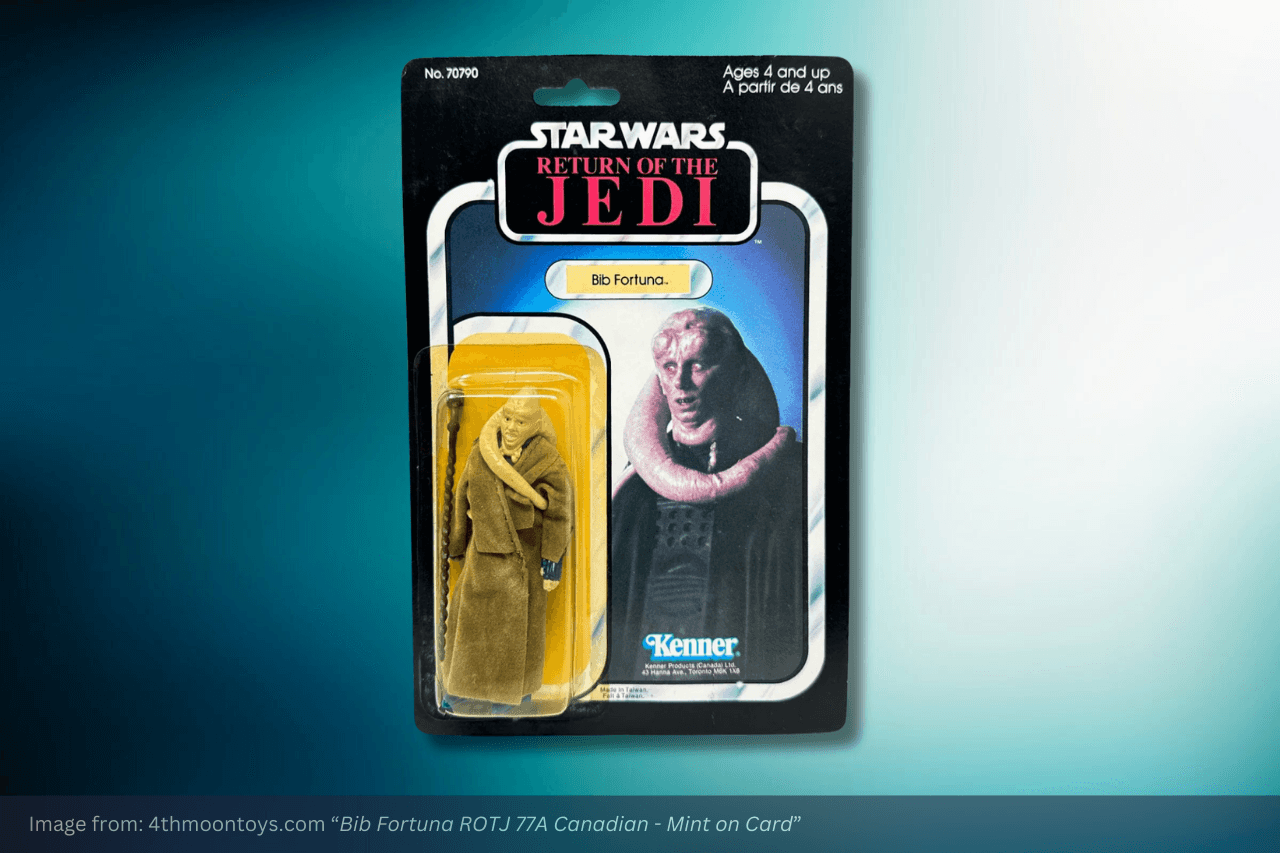
- Mint in Sealed Box or Mint on Card (figures kept in original packaging) commands a higher worth than a loose (opened), played-with one.
- Professional Grading: Assigned numeric scores, commonly using a 100-point or a 10-point scale to assess main areas: the card (creases, edges), the bubble (clarity, dents), and the figure itself (paint applications, moulding flaws).
- A high-grade figure (typically 85/100 or above) can sell for several times more than an identical ungraded one.
- Rarity: The total number of units available.
- Limited production runs, chase variants, and store exclusives tend to carry higher value, as demand significantly exceeds their limited supply.
In this way, those collectors interested in buying and selling figures will be guided by data rather than guesswork, allowing them to manage their collectables effectively while investing in pieces with the best long-term value.
4. Hunt for Your Action Figures
One of collecting’s greatest thrills is discovering hidden gems that others miss. Rather than settling for the first action figure encountered, a savvy collector explores multiple sources –comparing prices and keeping an eye out for rare finds or long-sought grails.
From mainstream retailers to niche marketplaces, knowing where to look is just as important as knowing what to collect. So, where do you find action figures?
The following sources outline the best places to find different types of action figures.
- Antique or Vintage Toy Shops: A great choice for toy collectors looking for the most valuable action figures from the 1980s to the early 20th century.
- 88mph Toys and Collectibles, Nerdbase, and Lost in Toys.
- Auction Houses: The go-to source for collectors seeking investment-grade rarities, these auction houses offer professionally graded slabs, authenticated vintage figures, and blue-chip collectables rarely found on the open market.
- Heritage Auctions, Vectis Auctions and Bonhams.
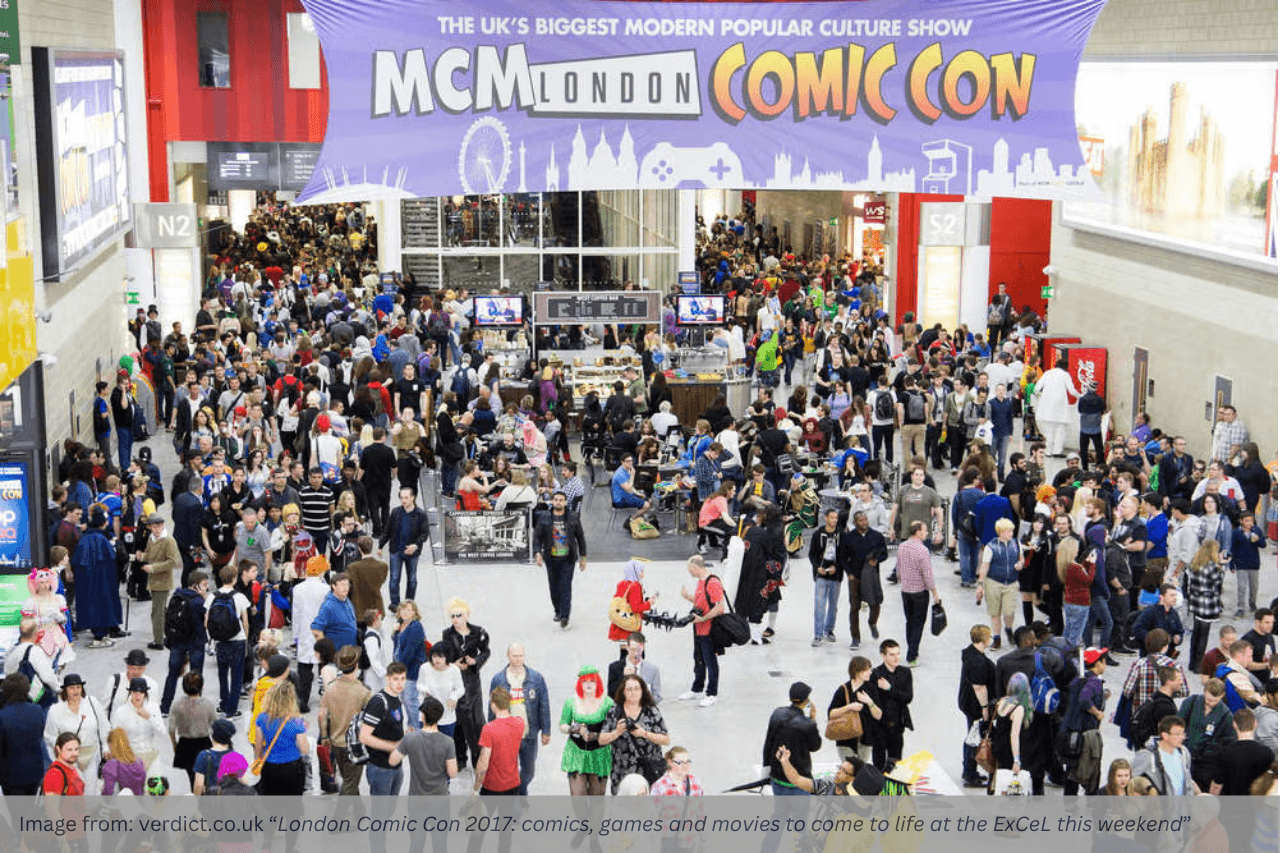
- Conventions: Perfect for sourcing action figures of all types, including modern mainstream brands, high-end, and vintage pieces.
- MCM Comic Con, L.A. Comic Con, and New York Toy Fair.
- Primary Retailers and Direct Hubs: Best suited for collectors targeting newly released figures, these official channels provide reliable stock, pre-order windows, and brand-exclusive items.
- Big Bad Toy Store, Hasbro Pulse, and Mattel Creations.
- Secondary Marketplace (Online): Ideal for sourcing discontinued, vintage, or hard-to-find figures that have exited retail circulation.
- eBay, Mercari, and Whatnot.
Through these sources, whether physical stores or online marketplaces, figure collectors can discover pieces that uncover rare finds and secure figures that align with their collecting goals.
5. Store and Display Your Collection
The transition from a simple hobbyist to a serious curator is most evident in how a collection is maintained. Why? Because the value of an action figure is tied directly to its physical condition, preservation is not merely about aesthetics; it is a form of asset protection.
Whenever possible, collectors keep top figures in their original packaging. Protective window boxes and clamshells shield them from dust, damage and wear, ensuring they retain both condition and market value.
However, a common dilemma arises: How do you protect a figure that has already been removed from its packaging?
Fortunately, value can still be maintained through rigorous archival strategies. To protect "loose" figures, the following methods can be utilised:
Storing Figure Collection
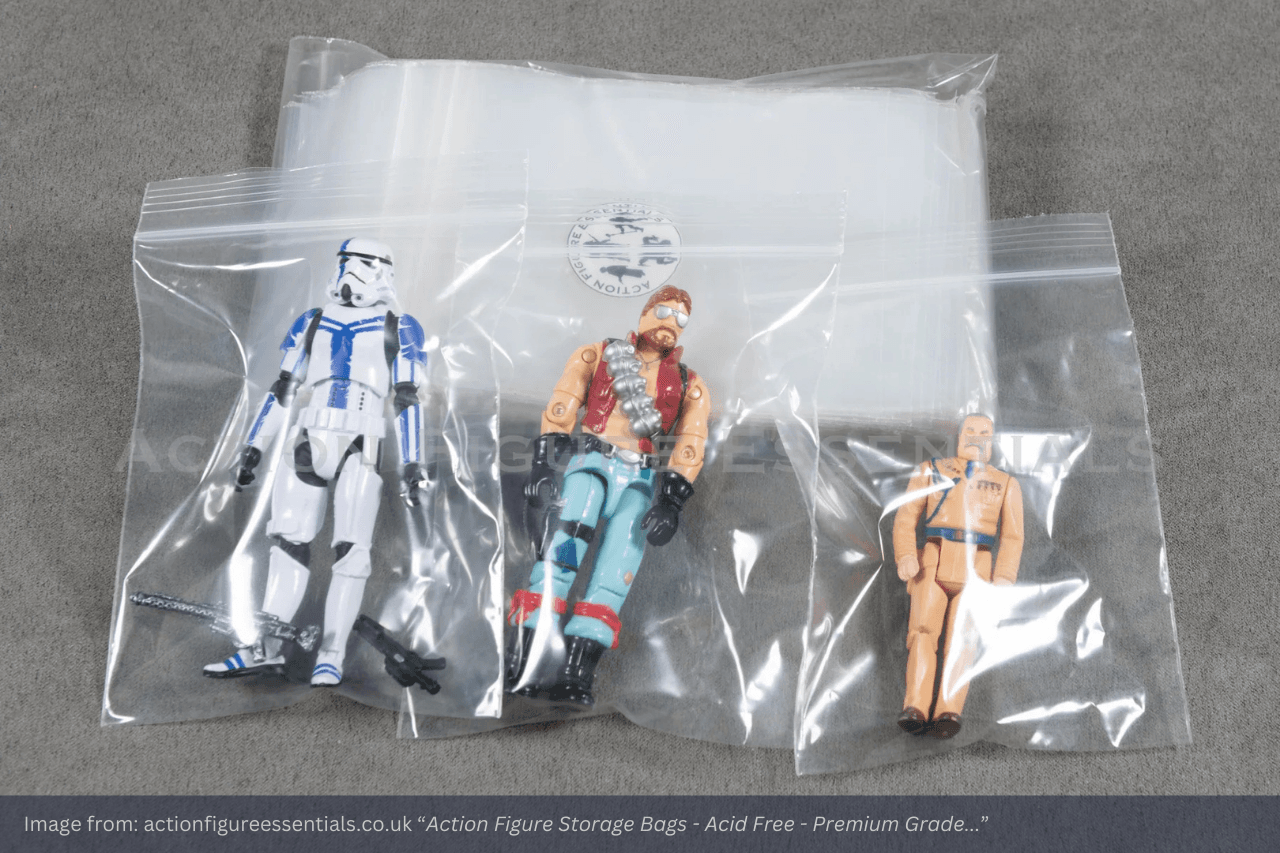
If the goal is to keep a collection out of sight or safely kept hidden until display, consider these storage methods:
- Use acid-free tissue or archival-safe bags (polypropylene) for storage, as ordinary plastic bags can trigger long-term chemical damage.
- Store small accessories, heads, and hands in individual baggies before placing them in larger containers to prevent loss and paint damage.
- Keep action figures in a room with stable temperatures (65–75°F) to protect their paint and overall condition.
- Avoid placing figures in direct, prolonged sunlight, as UV exposure can cause fading and plastic deterioration.
Displaying Action Figures
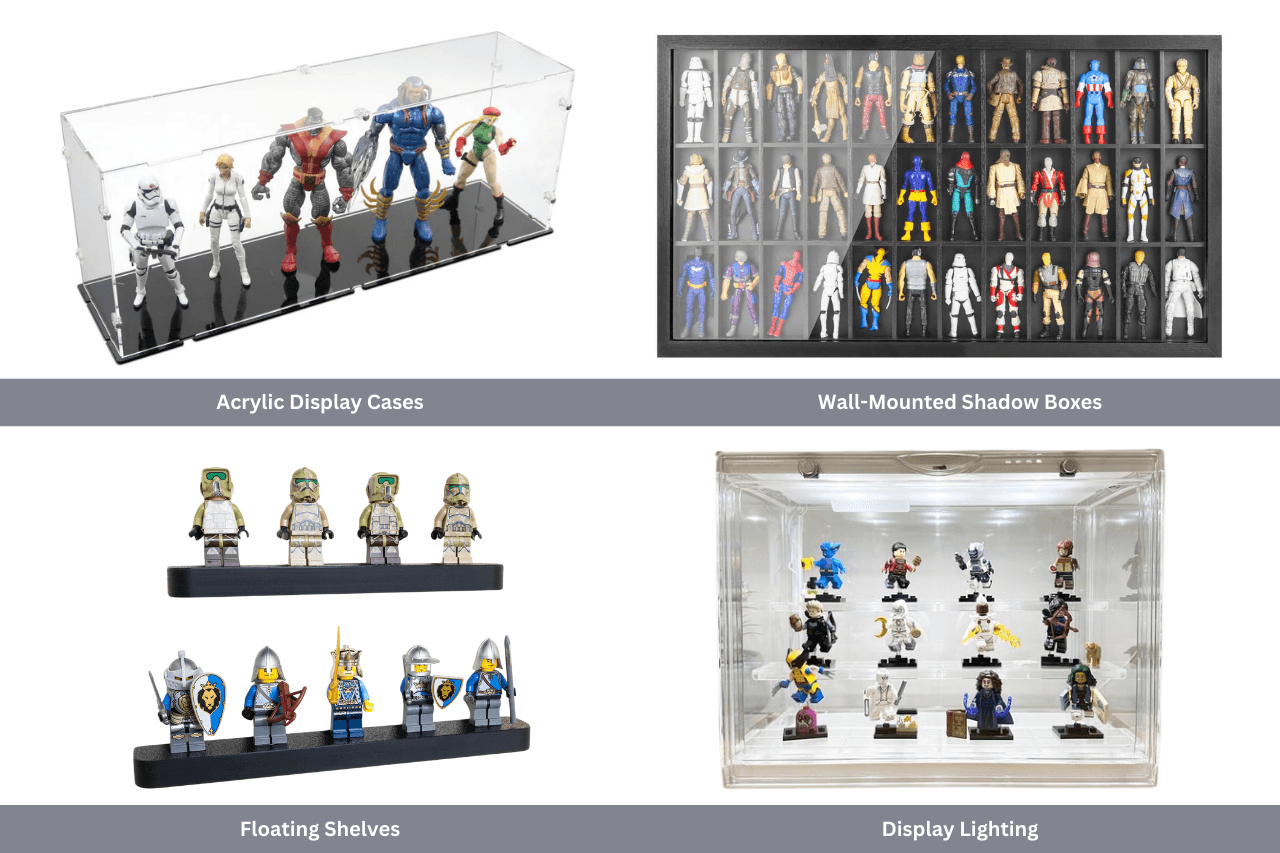
For those looking to show off their most valuable figurines, from ‘90s classics to exclusive releases, these display methods are most recommended:
- Acrylic Display Cases: A lightweight, shatter-resistant acrylic enclosure that helps protect action figures from UV exposure and material degradation. Angled risers and custom foam inserts improve visibility and keep pieces secure, while placement away from direct sunlight and air vents preserves long-term condition.
- Wall-Mounted Shadow Boxes: These enclosed frames function as individual galleries, elevating a figure into a piece of wall art. They provide a dust-free environment and a distinct focal point for showcasing the most expensive toy figure.
- Floating Shelves: A minimalist approach, utilising vertical space to create a clean, modern aesthetic. By removing the visual noise of bulky furniture, floating shelves allow the figures to appear as if they are hovering, making them ideal for thematic organisation and space-saving displays.
- Display Lighting: Transforms any shelf into a curated showcase using LED strips or puck lights to highlight detailed sculpts and paintwork. Provides safe, heat- and UV-free illumination that protects figures from warping or fading over time.
6. Catalogue Every Figure
Beyond the physical acts of storage and display, a collector should also maintain a physical or digital ledger of their most valuable action figures.
The primary purpose of cataloguing is to build an inventory that allows a collector to locate specific pieces within their storage or display systems. This data also serves as the foundation for critical collection management tasks, including:
- Collection Preservation
- Consignment
- Insurance Appraisals
- Lending for Exhibitions
- Market Valuations
To keep track of all GI Joe and DC collectable action figures, collectors should record these important data points:
- Acquisition Data: The date of purchase, original price, and the source or retailer.
- Condition Reports: Detailed notes on the packaging state (e.g., "C-9 Mint on Card") or any specific paint applications for loose figures.
- Market Valuation: Regular updates on the current secondary market value to monitor the health of the investment.
- Ownership: Documents the owner, co-owners, trust arrangements, and beneficiaries to maintain legal clarity and facilitate estate planning.
- Physical Location: A clear designation of which specific bin, shelf, or display case houses the item.
For best results, figure collectors must ensure their records remain updated as the collection evolves. In this way, the documentation serves not just as a static list, but as a living ledger that reflects the current market value and physical state of the assets. Using a collection management solution can streamline the entire cataloguing process.
My Figure Collection: From Passion to Purpose
Building the best collectable action figures is as much about intention as it is about passion. Whether driven by childhood nostalgia, personal enjoyment, or investment potential, successful collectors approach the hobby with clarity and discipline.
By defining a collecting focus, setting a realistic budget, understanding what drives value, sourcing figures strategically, and prioritising proper storage, display, and cataloguing, a collection evolves from a casual pursuit into a curated asset.
Ultimately, the most rewarding collections are those built with purpose –balancing emotional connection with informed decision-making. With the right approach, action figure collecting becomes a reflection of personal taste and a well-managed collection designed to endure, appreciate, and evoke a story over time.
Collect Action Figures: Frequently Asked Questions
1. Is it worth collecting action figures?
Collecting action figures can be worthwhile when it aligns with personal enjoyment, nostalgia, or long-term goals. While most figures should be viewed primarily as a hobby, informed collectors who research rarity, condition, and demand may also see lasting value over time.
2. What figures are worth collecting?
Figures worth collecting often include vintage 1980s and 1990s lines, such as GI Joe, Teenage Mutant Ninja Turtles, or Transformers, as well as modern high-end collectables from brands like Hot Toys, S.H. Figuarts, or NECA.
3. How to start a toy collection?
To start a toy collection, begin by choosing a clear focus, whether it’s a specific franchise, era, or type of figure, then set a realistic budget. Research the market to understand value, rarity, and condition, then source figures from trusted retailers, speciality shops, or online marketplaces. Finally, organise and track your collection to protect its value and enjoyably grow it over time.
From Shelf to Screen: Organise Your Action Figures Online with MyAssets
Whether managing a handful of Marvel icons or an extensive Star Wars figures, organising action figures is what gives a collector the clarity to know exactly which treasure to hunt next and which items require specialised care.
As a collection expands, however, the complexity of tracking past acquisitions and maintenance needs grows exponentially. This is where collection management software becomes an essential tool.
Introducing MyAssets, a collection organiser that ensures every action figure is accounted for, valued, and ready for whatever the market or the next display rotation demands.
A Dashboard to Showcase Your Favourite Figures
MyAssets provides a centralised dashboard to showcase a collector’s most valuable action figures, while providing insights into net value and asset distribution. This overview helps collectors assess how their figure contributes to the total worth of the collection, supporting more informed collecting and long-term planning decisions.
A Document Vault for Certificates, Receipts, and Records
What’s more, it allows collectors to digitise important documents, such as certificates of authenticity, provenance records, and purchase receipts, securely in a document vault, ensuring all essential paperwork is organised, easily accessible, and safely stored.
A Tool to Categorise Your Collectables
MyAssets elevates organisation through its Groups feature, which allows collectors to customise, categorise, and classify their collectables in groups.
Rather than a simple list, they can create dynamic clusters based on their own logic, whether that means grouping items by type, themes, conservation needs, or any other criteria, making it manageable to locate and gain insights into a particular collection.
See MyAssets in action. Try it free for 14 days.



