

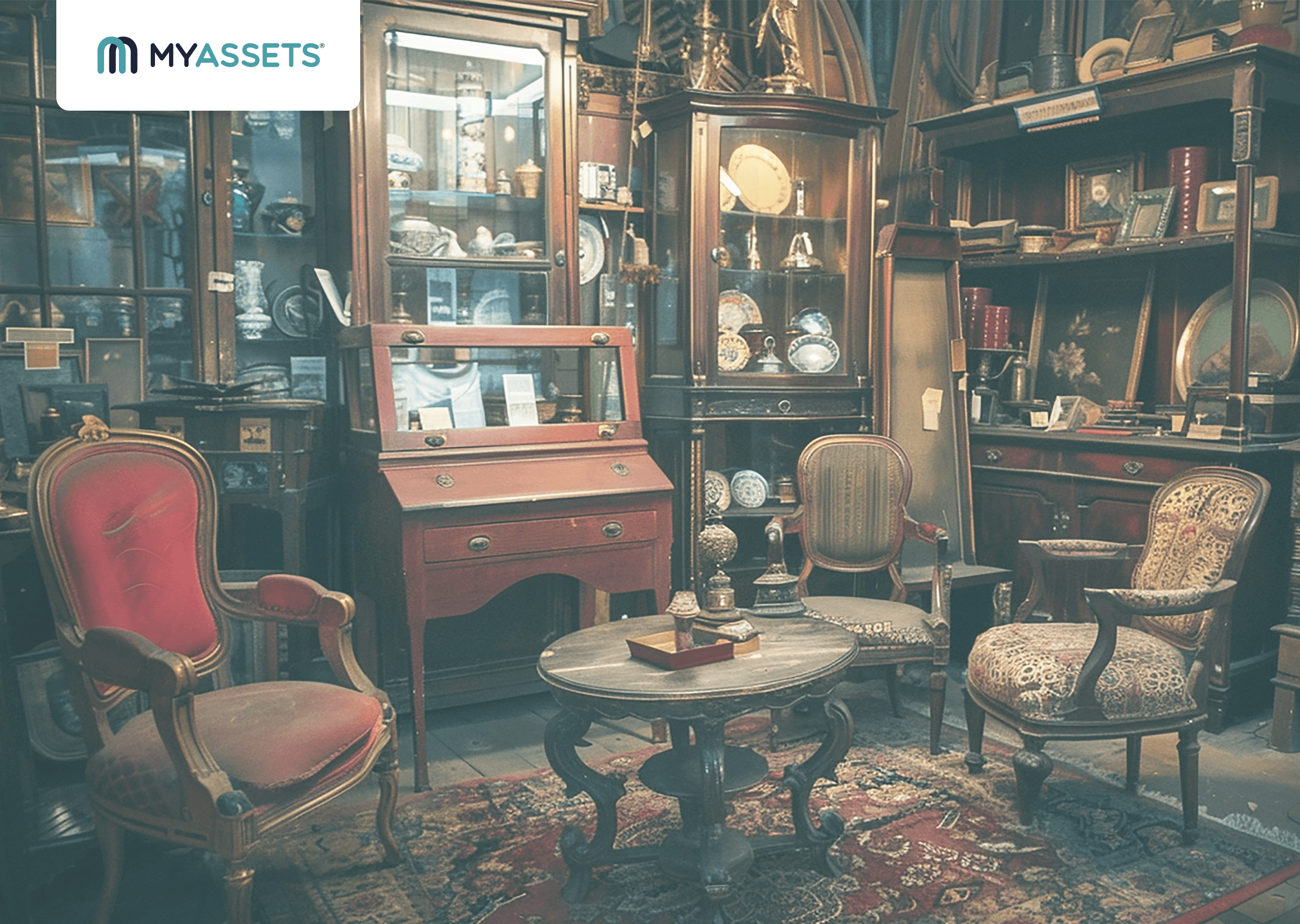
Selling antiques today goes beyond clearing out a dusty attic; it is a strategic entry into a booming $250 billion global market. As the decade progresses, the nostalgia economy has reached a fever pitch, fueled by a powerful convergence of digital auctions and a surge in demand from eco-conscious younger generations.
Today’s buyers, led by Millennials and Gen Z, are moving away from mass-produced “fast furniture" and toward unique, story-rich items that serve as both a style statement and a sustainable choice, according to the digital marketing agency, Amra & Elma.
With a projected market climb to $403 billion by 2034, the antique and collectables sectors are benefiting from a nostalgia boom. This growth is most evident in categories like fine art, rare memorabilia, and ancient artefacts, which are now viewed as both lifestyle centrepieces and stable alternative investments.
Given the robust financial outlook of the antique market, there has never been a more opportune time to transition from an owner to a seller. However, the complexity of the trade often leads to the central question: how do we sell antiques for maximum value?
For the individual managing a family estate or an antique collector monetising a collection as a side venture, understanding the fundamentals of antique selling is essential for success. This article provides a complete checklist to help aspiring antique sellers make informed, profitable decisions.
- What are Antiques?
- Selling Antiques: A Beginner’s List
- When to Sell Antiques
- Factors Determining Antique Values
- Best-Selling Antiques Today
- Preservation Techniques of Antique Treasures
- Channels to Sell Antiques
- Buying and Selling Antiques for the First Time
- How to Sell Antiques: Frequently Asked Questions
What are Antiques?
According to Wikipedia, an antique is categorised as a collectable item of significant aesthetic or historical value that has aged at least 100 years. While this century-long benchmark is the technical rule of thumb, the term is frequently applied more broadly in the antique market to describe any item of notable age and character.
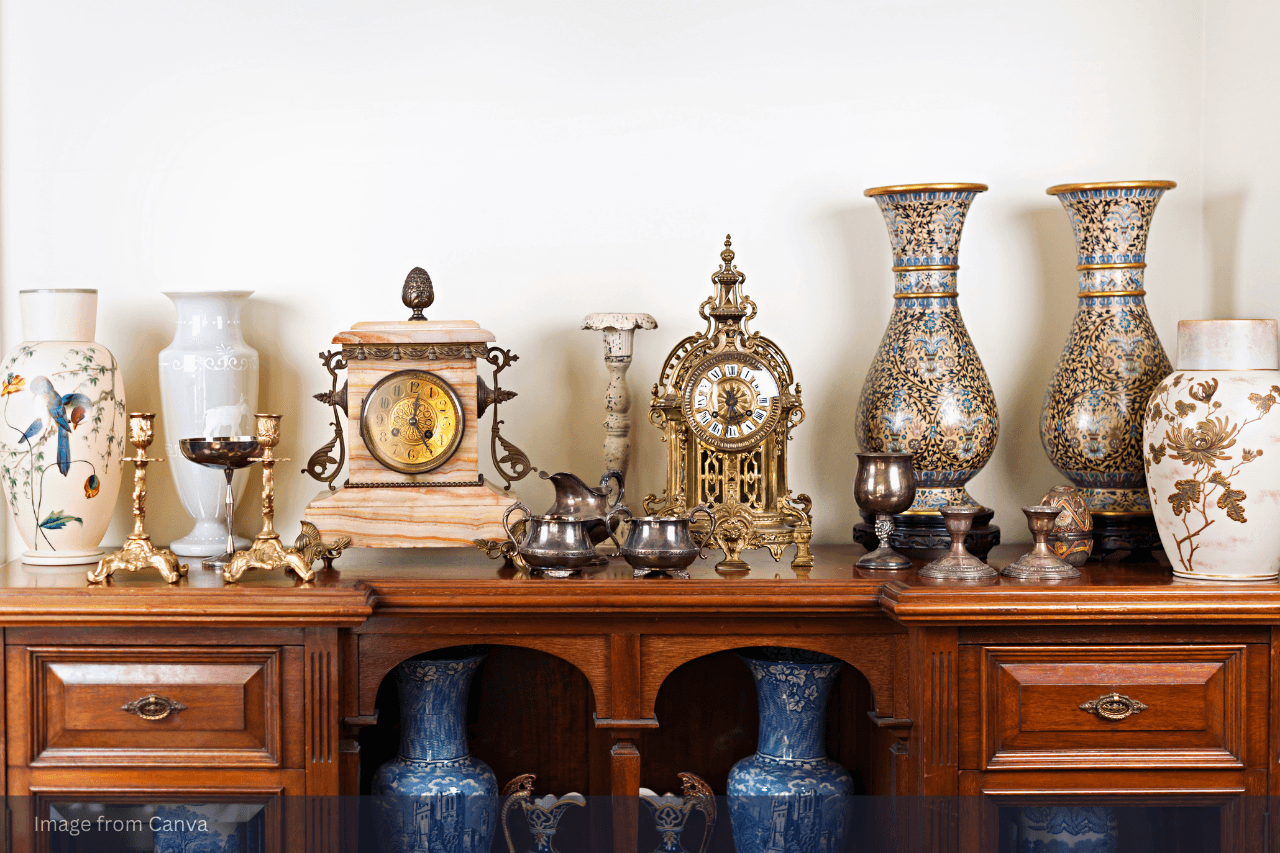
Examples of antique items are as follows:
- Artwork
- Automobiles
- Books
- Ceramics
- Champagne Glasses
- Clocks
- Decorative Art
- Figurines
- Furniture
- Jewellery
- Textiles
More importantly, these items attract strong collector interest because of the following qualities:
- Age
- Beauty
- Condition
- Personal emotional connection
- Rarity
- Unique features
- Utility
Antique vs. Vintage
While both antique and vintage items are relics of the past, they occupy distinct categories within the collectable market. Understanding the differences between the two is crucial for any collector looking to sell antiques or curate collections based on their date of origin.
The primary distinction lies in the age of the object:
- Antique: An item is considered an antique if it is at least 100 years old, meaning it must have been produced in 1926 or earlier to meet this standard.
- Vintage: This term typically refers to items between 20 and 99 years old, often reflecting a specific style or trend from the relatively recent past (i.e., mid-20th century).
Selling Antiques: A Beginner’s List
Selling antiques can be an exciting endeavour, but knowing where to start is crucial. This list of selling antiques for beginners shows collectors how to buy and sell antiques, covering what items to sell, how to determine value, and the most effective ways to reach buyers.
1. When to Sell Antiques
Whether antiques were collected over time or passed down as family heirlooms, deciding to part with them can be a difficult decision. To help determine whether now is the right moment or not, consider the following factors before selling antiques.
Market Trends
The antique market is subject to significant fluctuations driven by the following:
- Broad economic conditions
- Consumer demand
- Shifting trends
That said, conducting thorough market research before a sale is essential, as items currently experiencing high demand often command premium prices.
For instance, a set of Qing dynasty vases might sit forgotten in an attic, yet research on antiques that sell well on eBay shows that these pieces are currently seeing a surge in global collector interest.
In such cases, a seller who identifies this trend can capitalise on these pieces to secure a much higher return than expected. By tracking market trends, sellers can choose the best time to sell, maximising demand and value.
Item’s Current Condition
What is the physical state of your collection? Are there any signs of wear, damage, or tears? Collectors should consider having their items professionally assessed to determine their current condition and market value. Remember, condition affects pricing.
When antiques have historical or artistic significance but suffer from minor, treatable defects, such as loose joints, tarnished hardware, or a clouded finish, it may be beneficial to carry out restoration work before selling. Why? Strategic conservation can make these antiques more desirable to antique buyers and substantially increase their final sale price.
Sentimental Value
While market trends and physical condition are quantifiable, sentimental value is a subjective factor that plays a crucial role in the decision-making process. It represents the emotional attachment or personal history associated with an item, which often exists independently of its financial worth.
Thus, if the emotional cost of parting with an antique outweighs the financial gain, it is often advisable to retain the piece. Conversely, if the item is no longer being displayed or appreciated, some collectors find peace in letting go of sentimental items and selling them to a buyer who will value the craftsmanship and continue the object's story.
2. Factors Determining the Value of Antiques
The market value of an antique is subject to change and determined by multiple factors. Understanding these factors helps collectors make informed decisions when buying, selling, or even managing their collections.
Here are some factors influencing their market value:
Rarity and Historical Significance
Items produced in limited quantities naturally command higher prices, as their rarity makes them high-priority acquisitions for any serious antique collector.
Beyond mere numbers, the best antiques to buy and sell are those that epitomise a specific era or represent a pivotal turning point in craftsmanship. Why? For collectors of antiques, these pieces are more than just decor; they are tangible historical narratives.
Condition
Original, untouched pieces generally command a higher market value than those requiring heavy restoration, thus making condition a relevant factor to consider when valuing antiques.
According to Hutchinson Scott Auctioneers, during valuation, experts scrutinise the material’s integrity and the extent of any repairs, as visible wear and historical alterations significantly impact the final appraisal. In such a case, collectors should store their collection in an environment free from the risk of physical deterioration.
Learn more: 3 Art Conservation Case Studies That Will Surprise You
Provenance
An item’s value is frequently elevated by its historical narrative. When an antique is linked to prominent figures or historic events through thorough documentation, it often surpasses similar pieces in market worth. Hence, provenance serves a dual purpose: it validates the item's authenticity while heightening its prestige and appeal to collectors.
3. Best-Selling Antiques Today
From sourcing new inventory to identifying hidden gems within a personal antique collection, knowing what to buy and sell is essential to staying ahead of the market. So, what antiques sell best in today’s market?
Here are the most sought-after antiques currently dominating the industry.
Ceramics
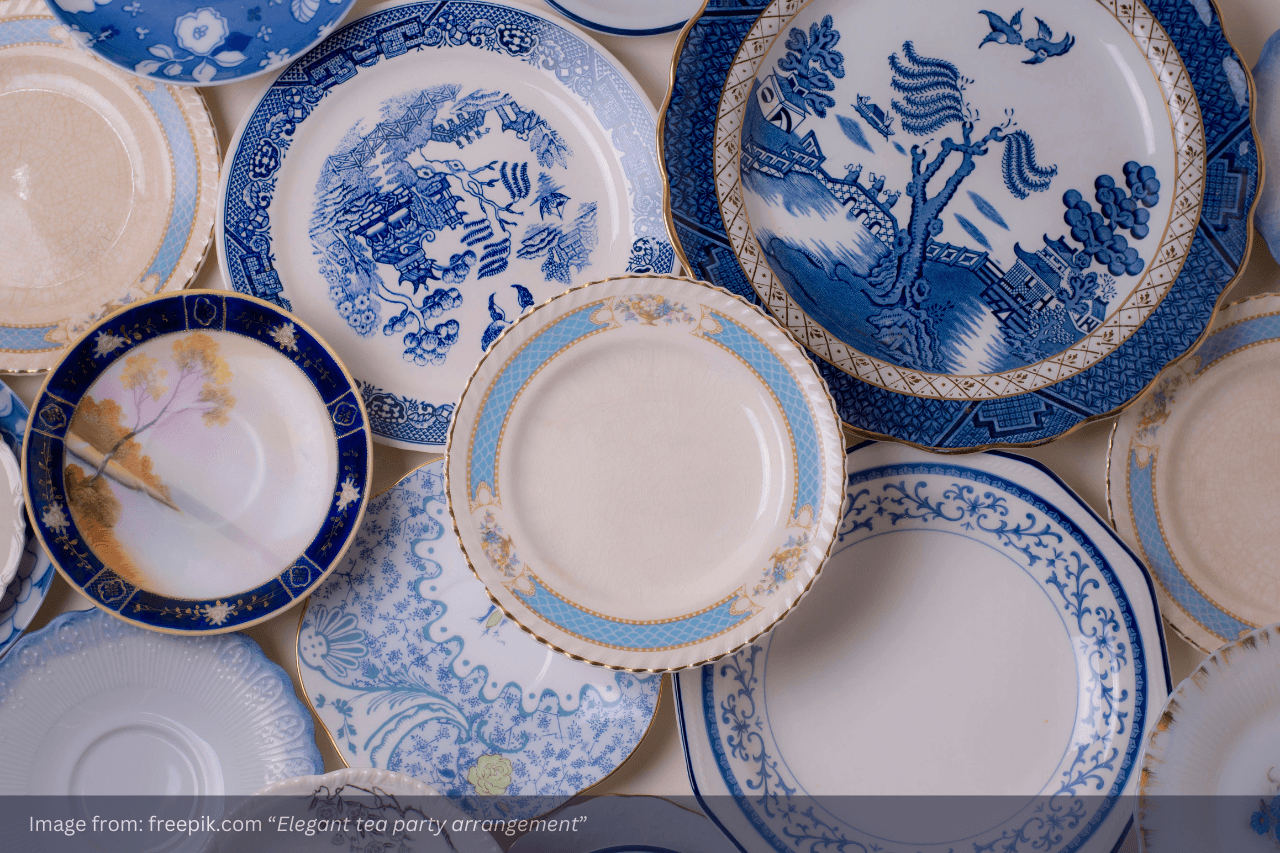
First on the list of antiques to look for is the booming ceramics category. Dawson Auctions notes that collectors are rediscovering the appeal of varied glazes and forms, particularly in 20th-century British studio pottery.
The UK antique market remains strong for established artists like Bernard Leach, Lucie Rie, and Hans Coper, whose ceramic works are highly valued as collectable art and versatile decorative pieces for both traditional and contemporary interiors.
Glassware
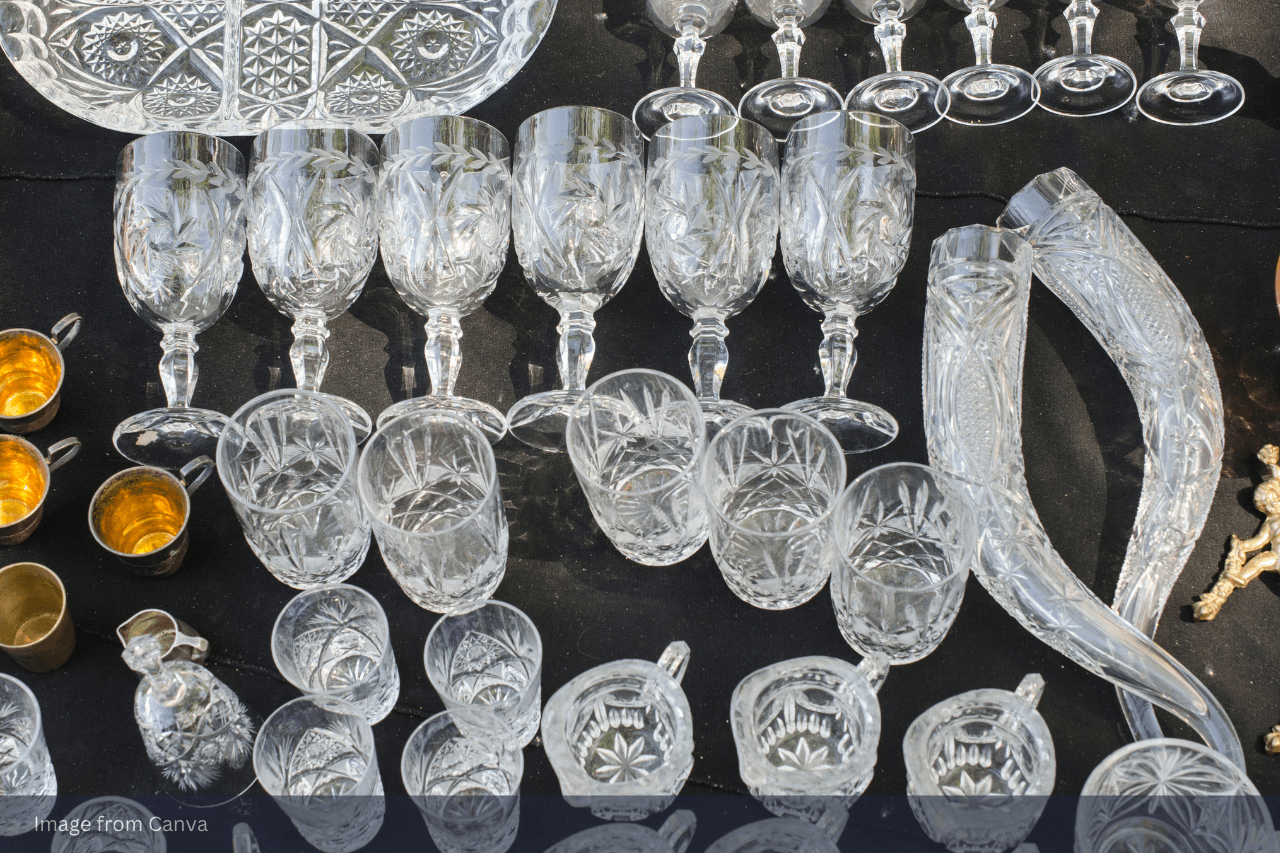
The market for exquisite glasswork remains robust, with Veranda magazine identifying Art Nouveau and Art Deco pieces as prime candidates for growth in 2026. Expert analyst Freund notes that these home antiques, ranging from botanical-inspired vases to playful animal figurines, infuse modern interiors with both colour and character, hailing them as good buy antiques.
While legacy names like Lalique continue to perform well, unique creations by Emile Gallé are experiencing a notable surge in popularity, evidenced by a significant uptick in searches on 1stDibs.
Brooch
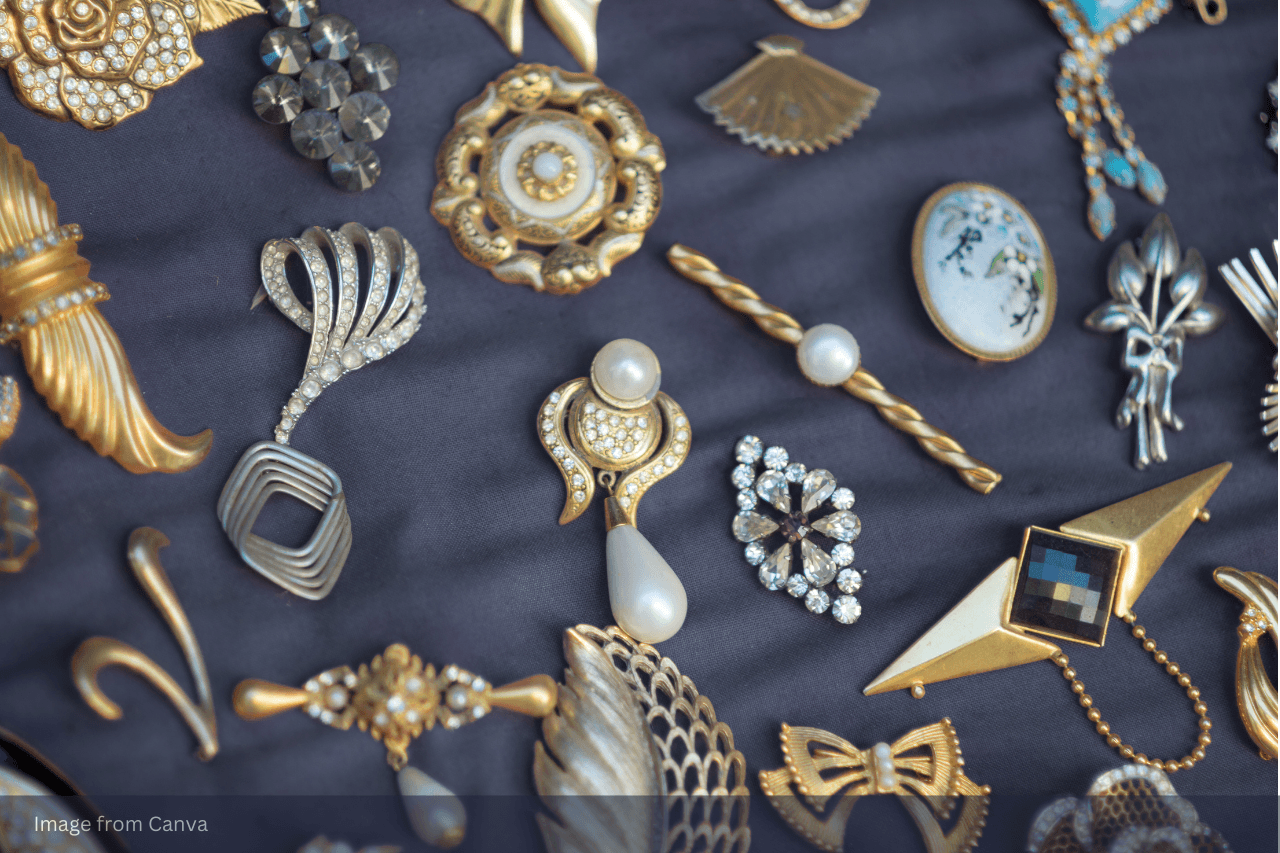
Brooches from the Georgian and Victorian eras are re-emerging as a prominent fashion staple in 2026. Now recognised as a top collectable, the antique brooch has evolved from a formal accessory into a versatile piece of everyday adornment.
Whether featuring delicate Edwardian floral sprays or striking Art Deco geometries, these pieces are being creatively styled on everything from scarves and handbags to belts and hair accessories. Farringdons Jewellery highlights how this shift allows collectors to showcase historic craftsmanship, while expressing personal style through unique accessories.
To discover more of the best antiques to buy and sell, here are other categories worth considering:
- Antique Furniture (i.e. Georgian chests and occasional tables or Victorian desks and chairs).
- Decorative Lighting (i.e. Geometric sconces, chrome chandeliers, and Murano glass pieces).
- Textiles (i.e. Antique quilts, hand-woven rugs, and embroidered linens).
- Trinkets (i.e. Brass animal figurines like dachshunds and silver trinket boxes).
4. Preservation Techniques of Antique Treasures
As antiques offer a direct, physical connection to the past, collectors bear the responsibility of safeguarding not only the objects themselves but the history, craftsmanship, and cultural heritage they embody.
In this pursuit, merging traditional preservation with modern preventive care is essential for the antique seller to maintain the collection’s structural integrity, market value, and historical legacy for future generations.
Below are the preservation techniques to protect your antique treasures.
Environmental Control
- Climate: Maintain stable temperatures of 68-75°F and relative humidity levels of 35-65% to prevent wood warping, mould, and textile degradation, as suggested by antique dealer, Box House.
- Light: Limiting sunlight and artificial lighting helps protect sensitive surfaces and pigments from fading and colour loss.
- Air Quality: Ensure proper air circulation with filtration to help protect items from dust and pollutants.
Storage and Protection
- Materials: Wrap delicate items, such as ceramics, glassware, and textiles, in acid-free tissue or bubble wrap to prevent damage. Newspapers should be avoided to prevent ink transfer.
- Containers: Containers: Use glass cabinets for ceramics, while sealed boxes for smaller pieces. It is also best to consider climate-controlled storage for high-value collections.
Preparation and Documentation
- Document: Photograph each item and document its details, including materials, condition, and dimensions, for insurance and provenance purposes.
- Insurance: Insure valuable antiques, as accidents or unforeseen events can occur. Insurance covers theft, loss, or damage, and maintaining records and appraisals helps support any future claims.
5. Channels to Sell Antiques
Whether a collector is selling a single heirloom or an entire estate, choosing where to sell antiques and collectables is a crucial decision. From the global reach of online marketplaces to the specialised knowledge of local auction houses, each channel offers unique advantages for maximising returns and connecting with antique buyers.
Below are some of the most effective options to consider when selling antiques.
Online Sites to Sell Antiques
- Online Marketplaces: An online platform that links buyers with multiple sellers, acting as a middleman to make transactions for various products in one place.
- eBay, Etsy, and Facebook Marketplace.
- Specialised Sites: Online platforms focused on antiques and collectables, helping collectors find rare antiques and sell their items safely.
- 1stDibs, Ruby Lane, loveantiques.com , Selling Antiques, and Decorative Collective.
Local and In-Person Options for Selling Antiques
- Antique Shops: Retail stores that focus on selling antiques and valuable items from past eras, including furniture, art, jewellery, and collectables.
- Petworth Antiques Market, Puckhaber Decorative Antiques, Hemswell Antique Centres, Preston Antique Centre, and Grays Antique Market.
- Auction Houses: A company or venue facilitating the sale of valuable items (i.e. art, antiques, jewellery, or property) via competitive bidding.
- Christie's, Sotheby's, Dreweatts, Roseberys London, and Hutchinson Scott.
- Antique Fairs: Large markets or events where dealers and the public buy and sell antique furniture, art, collectables, vintage clothing, jewellery, and more, offering a treasure hunt for unique finds.
- Newark International Antiques & Collectors Fair, Ardingly International Antiques & Collectors Fair, Bermondsey Antique Market, Portobello Road Market, and Kempton Park Antiques Market.
Buying and Selling Antiques for the First Time
Selling antiques is not just about letting go of old objects; it is about understanding their history, value, and place in today’s market. From recognising what qualifies as an antique to knowing when the timing is right to sell, informed decisions play a critical role in achieving the best outcome.
Factors such as rarity, condition, and provenance directly influence value, while current market demand highlights categories like ceramics, glassware, and brooches as particularly sought after.
Equally important is proper preservation. Maintaining stable environmental conditions, using appropriate storage methods, and keeping thorough documentation help protect both the integrity and long-term value of antique pieces.
When it’s time to sell antiques, knowing which channels to use, whether online platforms, auction houses, or fairs, can help maximise visibility and attract qualified buyers.
By approaching the process with preparation and awareness, collectors and first-time sellers alike can navigate the antique market with confidence, ensuring their pieces are valued, preserved, and sold in a way that reflects their true worth.
How to Sell Antiques: Frequently Asked Questions
1. What is the most profitable way to sell antiques?
The most profitable way to sell antiques depends on the item’s rarity, value, and target buyers. High-value or rare pieces often fetch the best returns through reputable auction houses or specialised antique dealers, while more common items can sell well on trusted online marketplaces. Proper preparation, accurate valuation, and choosing the right channel are key to maximising profits.
2. Where is the best place to sell antiques?
The best place to sell antiques depends on the item’s type, value, and target buyers. Online marketplaces like eBay, Etsy, and Facebook Marketplace are ideal for broad reach and convenience, while specialised sites such as 1stDibs, Ruby Lane, and loveantiques.com cater to rare or high-value pieces.
For more personalised or high-end sales, local antique shops, auction houses, and antique fairs offer direct access to collectors and competitive bidding opportunities, often achieving higher returns for valuable items.
3. How do I know if my antiques are worth money?
To determine if antiques are valuable, begin by researching auction sites and price guides (focusing on sold listings), then assess the item’s marks, condition, and provenance, and finally seek expert advice from local dealers or auction houses for accurate valuations.
Preserve the Stories Behind Your Antiques with MyAssets
The true value of antique treasures often lies in the stories they hold—narratives that are easily lost to time without proper documentation. This is where record-keeping becomes an essential act of preservation, ensuring that the provenance and personal history of an item remain as intact as its physical frame.
But how do you maintain a comprehensive archive that can withstand the test of time?
Introducing MyAssets, personal collection app that boasts its platform with a smart organiser, allowing collectors to create a digital inventory of their antique collectables – from antique coins, furniture and glass art to jewellery, porcelain, and stamps.
A Comprehensive Digital Archive for Your Antiques
MyAssets keeps every vital information protected. By enabling users to catalogue their antiques, the platform captures the nitty-gritty essentials, including:
- Age or period
- Current valuation
- Edition
- Location
- Name of item
- Purchase date
- Purchase price
- Type
To support professional-grade preservation, MyAssets allows collectors to maintain a detailed health log for every piece. This includes recording current condition, documenting previous restorations or repairs, conservation needs and environmental requirements.
A Document Vault for Files and Photographs
What’s more, it allows collectors to digitise important documents, such as:
- Auction catalogues
- Certificates of authenticity
- Condition reports
- Provenance records
- Purchase receipts
- Restoration reports
Collectors can also capture high-quality photographs of their antiques and upload them to the Document Vault, ensuring all records and images are stored, accessible, and organised in one location for reference, insurance, valuation, or future sales.
MyAssets: A Tool for Categorising Extensive Antique Collections
MyAssets takes organising collectable to the next level with its Group feature. This enables collectors to customise, categorise, and classify their collection exactly how they want.
Whether grouping by type, artist, era, or personal significance, this feature turns a sprawling collection into a neatly organised, easily navigable system. This feature makes every piece simple to find, track, and showcase.
Ensure Your Antiques’ Stories Are Never Lost. Try MyAssets' 14-day free trial today.



