


Ever wondered why your paycheck seems to disappear so quickly? No matter how much hard work an individual puts in, if their daily money habits are misaligned with their financial goals—if they even have one—they can end up stuck in the same financial problems.
In fact, experiencing financial difficulties is far from uncommon, particularly in England and Wales, where around 4 million people, including 860,000 children, are living on a negative budget. These individuals are highly vulnerable to further cost-of-living shocks; even a small rise in food, energy, or housing costs, or a loss of employment or benefits, could quickly erase their limited financial buffer and push them into crisis, as highlighted by The Citizens Advice.
In this note, managing wealth isn't just built through high earnings; it is maintained through discipline. Even small, seemingly harmless behaviours can act as silent leaks, draining one’s account before they have a chance to save it.
This reality brings up the question: Are your money habits helping or hurting you financially?
To find out the financial mistakes people make, this article uncovers ten money habits that might be draining your finances. By the end, you’ll know what to avoid, helping you keep more money and achieve greater personal financial success.
- What is a Money Habit?
- 10 Financial Mistakes People Make
- Ignoring Invisible Subscriptions
- Giving in to Lifestyle Creep
- Letting Emotions Dictate Spending
- Failing to Monitor Spending
- Skipping Budgeting
- Carrying High-Interest Debt
- Paying Only the Minimum Balance
- Paying Little Attention to Your Credit Score
- Living Paycheck-to-Paycheck
- Investing without Research
- Ending the Cycle of Harmful Money Habits
- Financial Mistakes to Avoid: Frequently Asked Questions
What is a Money Habit?
A money habit is a routine, often automatic behaviour that individuals exhibit when earning, spending, saving, or investing their money. They act as a form of financial autopilot, guiding daily decisions, often without conscious awareness.
Think of them like physical routines, such as brushing teeth or going to the gym. When managing personal finance, a single day of poor money choices won’t cause serious harm. However, over time, such financial patterns determine whether a person increases their net worth or continues in a cycle of debt, with the risk of ending up with a negative net worth.
10 Financial Mistakes People Make
Whether it’s skipping an emergency fund or succumbing to lifestyle creep, these financial mistakes can develop into habits that prevent individuals from achieving their goals. To improve financial literacy and manage spending more effectively, here are ten money habits to avoid.
1. Ignoring Invisible Subscriptions
Have you been paying for Netflix month after month without actually watching a single show? While a monthly fee of £18.99 might feel like a small amount of money, these invisible costs are actually silent leaks in one’s bank account.
The danger is not just one subscription; it is the cumulative effect. Across streaming services, gym memberships, premium apps, and delivery passes, people in the UK spend over £300 million each year on unused subscriptions. According to Citizens Advice, more than 82% of those with unused subscriptions say they continued paying because the service auto-renewed.
With payments running automatically, these costs bypass everyday decision-making, causing individuals to waste hard-earned money without noticing.
2. Giving in to Lifestyle Creep
An individual lands a new job with a £1,200 monthly raise. To celebrate, they consider trading in a paid-off hatchback for a more expensive vehicle. The monthly payment seems affordable at first, but the hidden costs are often overlooked. Beyond the new loan, higher insurance premiums, specialised maintenance, and premium fuel quickly add to the financial burden.
This is how lifestyle creep takes hold. It occurs when a person’s standard of living rises at the same pace as their income. What begins as a reward can quickly turn into a permanent expense.

Lifestyle creep is gradual, true to its name. Over time, former luxuries, such as a more expensive house or frequent takeout, become perceived as necessities. The result of these unnecessary upgrades then leads to:
- Debt accumulation
- Financial vulnerability
- Increased financial stress
- Reduced savings and investments
- Slower progress towards goals
In reality, the individual is not becoming wealthier; they are simply spending more.
3. Letting Emotions Dictate Spending
Money is more than just a currency. It is an emotional driver, influencing how individuals view themselves and often acts as the primary trigger behind their spending habits. Think of scrolling through Amazon after a stressful day, only to later realise how much was spent on items they didn’t truly need. This behaviour is known as emotional spending.

So, what exactly is emotional spending? It is the act of buying things impulsively in response to intense feelings. Rather than shopping based on need, individuals use spending as a temporary coping mechanism to navigate emotions such as:
- Boredom: Using shopping as a form of entertainment.
- Joy and Celebration: Rewarding oneself excessively for a win.
- Sadness or Anger: Trying to fill a void or distract from pain.
- Stress and Anxiety: Seeking a sense of control or relief.
Most people have been guilty of this at some point. However, with the rise of one-click online shopping and targeted social media ads, the temptation to spend impulsively has never been higher. Because these purchases happen in the heat of the moment, they bypass the logical brain, leaving little time to weigh the long-term financial impact and turning impulsive spending into a real money problem.
4. Failing to Monitor Spending
One of the financial issues often overlooked due to the tedious work involved is monitoring spending. This involves managing expenses by tracking every monthly outflow, from fixed utility bills and rent to variable costs such as groceries and weekend entertainment.
This raises an important question: Why is not tracking spending a money mistake?
Monitoring outgoings may feel like a tedious chore, but ignoring them is one of the fastest ways to lose control of one’s financial future. Why? Without a clear record, small spending could easily go unnoticed.
To demonstrate this, a few pounds spent here and there on convenience snacks, digital app upgrades, or slightly higher utility rates might seem harmless in isolation. However, over thirty days, these unmonitored costs accumulate into hundreds of pounds of missing money that could have been saved or invested.
More so, the ease of swiping cards and using contactless payments creates a disconnect between spending and account balances. Without tracking transactions, the pain of paying credit card bills fades, making it easier to slip into financial denial.
By the time monthly statements arrive, the damage is already done, creating unnecessary financial stress. Without a system to track spending, individuals are left questioning where their money has gone.

Learn more: How to Calculate the Liabilities Associated with Your Assets on MyAssets
5. Skipping Budgeting
Skipping the budgeting process is another factor that compounds money problems. While monitoring spending shows individuals where their money went, a budget indicates where it should go.
So, what is budgeting? As defined by the Cambridge Dictionary, budgeting is the process of calculating how much money one must earn or save during a particular period, and planning exactly how to spend it. Skipping budgeting happens when a person spends freely on groceries, weekend trips, and lifestyle expenses without setting a firm limit.
Ignoring this part of financial planning is the equivalent of trying to navigate a new city without a map. Without a plan, a person is forced to manage their finances by guesswork. How? They treat their bank balance as a green light to spend until the account hits zero, only to realise too late that the money they spent on a weekend getaway was actually needed for next week’s rent or electricity bill.
This becomes a financial problem as individuals become more reactive rather than proactive. In other words, instead of planning where their money should go and controlling their spending, they let their spending control them, leading them to respond to financial pressures rather than plan and direct their funds with purpose.
See more: 5 Best Cash Management Solutions In The UK
6. Carrying High-Interest Debt
Did you know that taking on high-interest debt can raise the cost of what you owe? High-interest debt is generally defined as any financial debt with an average interest rate above 8%, according to Equifax. Examples of high-interest debts are as follows:
- Cash advance loans
- Credit cards
- Payday loans
- Personal loans
When left unmanaged, these debts can create serious financial challenges by increasing borrowing costs and making repayment more difficult.
The principle is simple: the higher the interest rate, the more expensive the debt becomes over time, and the longer it takes to pay off.
This effect is amplified by compound interest, which occurs when interest is added back to the principal at the end of a set cycle. For example, credit card interest is often compounded daily, meaning unpaid balances can grow quickly and become increasingly difficult to manage.
As a result of these factors, carrying high-interest debt is considered a financial mistake. It not only increases the cost of borrowing but can also trap individuals in a cycle of:
- Financial debt
- Reduced financial flexibility
- Unnecessary financial stress
7. Paying Only the Minimum Balance
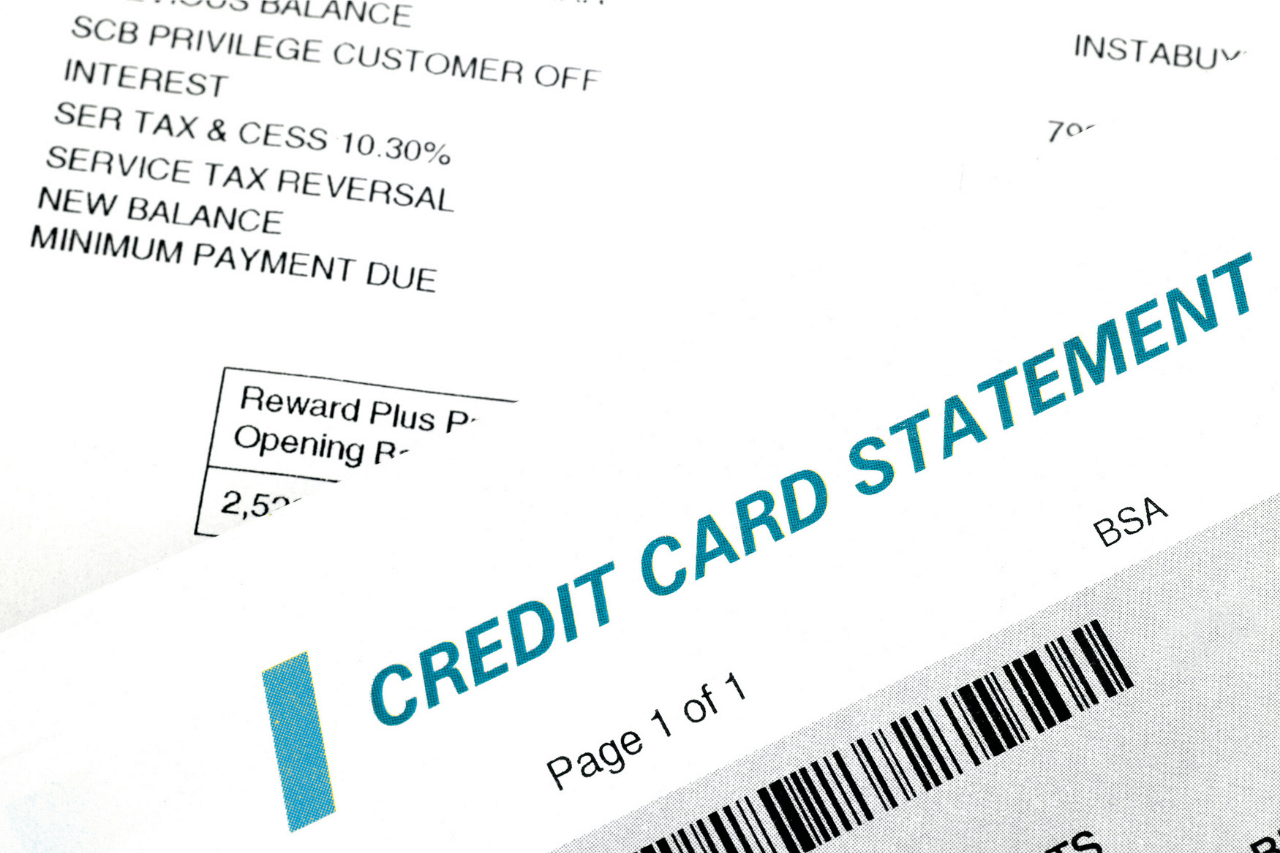
If an individual holds a credit card, they will notice a minimum amount due displayed on their monthly statement. For many, this figure is misinterpreted as the recommended amount to pay or a safe way to manage their debt. In reality, paying only the minimum is a trap that benefits the lender while keeping the borrower in a cycle of permanent debt.
This raises an important question: What happens if we pay the minimum balance on a credit card?
When only minimum payments are made, the outstanding balance remains unpaid and begins accumulating interest, as highlighted by HDFC Bank. While this approach might prevent a missed-payment penalty during a single month, making it a consistent habit is a major financial mistake.
Why? Because credit card interest typically compounds daily, the debt grows at an aggressive rate. According to Experian, when only the minimum is paid, the lender applies the majority of those funds toward interest and fees. Only a tiny fraction reaches the principal, which is the actual cost of the goods or services purchased.
Nonetheless, even without new purchases, if the buyer only paid the minimum amount of the previous credit card balance, the interest still accumulates, thus paying more than the original amount.
8. Paying Little Attention to Your Credit Score
At some point in life, individuals may want to make a major purchase, whether it is securing their first home, financing a car or starting a small business. Often, this requires borrowing money from banks or other lenders. But a key factor in determining whether they can secure a loan and at what cost is their credit score.
So, what is a credit score? A credit score serves as a financial reputation report that lenders use to assess the risk of a potential borrower.
When an individual applies for a mortgage, a personal loan, or a credit card, institutions analyse this number to determine their eligibility for those products. It acts as a statistical predictor of an individual's future financial behaviour, signalling to banks how likely the person is to manage their repayments reliably and on time.
In this context, consistently ignoring credit score is a financial mistake, as a low or poorly managed credit score can result in:
- Higher interest rates
- Larger down payments
- Limited financial products
- Loan rejection
9. Living Paycheck-to-Paycheck
Are you relying on your next paycheck to cover everyday expenses? If so, then one is likely guilty of living paycheck to paycheck.
As defined by Investopedia, this term describes a person who would be unable to meet their financial obligations if they were suddenly unemployed. This lifestyle is characterised by a hand-to-mouth existence, where every pound earned is immediately spoken for by upcoming expenses, leaving nothing for the future.

The phrase may also refer to individuals living with limited or no savings, who would be at greater financial risk if they suddenly became unemployed or faced another financial emergency. Other financial struggles of living paycheck to paycheck include:
- Intense financial anxiety: Constant worry about money.
- No Emergency Buffer: A single unplanned expense (car repair, medical bill) can trigger a financial crisis.
- Prevents wealth building: Little opportunity to build assets and prepare for asset transfer.
- Worsens Debt and Credit: Fuels more debt and damages credit scores, making future loans harder to get.
This raises an important question: What are the common causes of living paycheck to paycheck? Below are some key contributors:
- Chronic health conditions.
- Debt (credit cards, loans).
- Income volatility or job insecurity.
- Lack of financial literacy or budgeting skills.
- Low wages and a high cost of living.
10. Investing without Research
Buying stocks, bonds or collectable investments without conducting thorough research is like placing a blind bet. While an individual might occasionally experience a stroke of luck and realise a profit, the absence of a data-driven strategy increases the probability of substantial capital loss.
This is one of the most common mistakes in investing, with research suggesting that 71% of beginner investors perform little to no due diligence before investing. This raises a critical question: What happens when investments are made without proper research? The following are some of the key risks individuals face when investing blindly:
- Exposure to scams and fraud: Falling prey to pump and dump schemes or fraudulent investment opportunities that promise unrealistic returns.
- High-risk exposure: Lack of research can lead to exposure to highly volatile assets or companies burdened by weak financials, poor leadership, or limited competitive advantage.
- Impulse buying and overpaying: Acting on emotions rather than logical analysis often results in buying investments at peak prices and ending up with overpriced assets.
- Substantial financial losses: Risk of putting money into overvalued stocks or struggling businesses, which can erode their capital over time.

Ending the Cycle of Harmful Money Habits
Money habits shape financial outcomes more than most people realise. While a single poor decision may seem harmless, repeated behaviours, especially when left unexamined, can quietly undermine financial stability and long-term wealth building.
From ignoring invisible subscriptions and giving in to lifestyle creep to carrying high-interest debt and paying only the minimum balance, these common money habits often work against financial progress. Others, such as overlooking credit scores, living paycheck to paycheck, or investing without research, limit financial flexibility and increase risk exposure.
The good news is that money habits are not permanent. By becoming more aware of where money goes, setting clear financial priorities, and making intentional choices, individuals can begin to replace harmful patterns with healthier financial behaviours. Avoiding these financial mistakes is not about perfection; it’s about making small, consistent changes that lead to greater control, resilience, and long-term financial success.
Financial Mistakes to Avoid: Frequently Asked Questions
1. What are bad money habits?
Bad money habits are recurring behaviours that negatively affect an individual’s financial health, such as skipping budgeting, carrying high-interest debt, and emotional spending.
2. What is the 70/20/10 rule money?
The 70/20/10 rule recommends allocating 70% of income to expenses, 20% to savings or investments, and 10% to personal spending. This provides a framework for managing expenses, building wealth, and maintaining financial flexibility.
3. What is the biggest financial worry of most individuals?
The biggest financial worry for most individuals is often not having enough money to cover unexpected expenses or maintain financial security. Also, many fear job loss, mounting debt, or insufficient savings for emergencies and retirement.
End Guesswork and Start Tracking Your Finances with MyAssets
Are you monitoring your cash, investments, credit cards, and personal loans? While tracking every penny can feel tedious, neglecting the balance between what one owns and owes can be a costly financial mistake over time.
To solve this, many are turning to net worth tracking apps that reveal the value of an individual's total assets and liabilities. A notable example is MyAssets, a net worth tracker that helps users organise, track and manage their assets.
Cash at one bank, debt at another?
When money is spread across various banks and brokerages, it is easy to lose sight of the bigger picture. MyAssets addresses this by providing a 360-degree view of an individual's wealth, consolidating disparate data into a single platform.
It brings everything together: bank accounts (checking and savings), investment portfolios (stocks, bonds, and mutual funds), properties (residential, rental, and commercial), and valuable assets, such as art and collectables.
Even liabilities are included—mortgages, loans, and credit card debts—because net worth isn’t just about assets. MyAssets provides a single source of truth, offering a complete, accurate picture of an individual’s financial health.
What’s more? All this information is neatly organised in a Global Dashboard, allowing users to see their entire financial picture at a glance. Raw numbers are transformed into intuitive graphs, and assets are clearly categorised, making it straightforward to understand where money is allocated, track progress, and make informed financial decisions.
Want to collaborate on money matters safely?
Managing wealth is rarely a solitary endeavour, yet sharing sensitive financial data often poses a significant security risk. MyAssets addresses this by providing individuals with full control over account permissions, with the Delegates feature allowing them to assign who can view, edit, delete, or create entries within their portfolio.
This granular control enables seamless collaboration without compromising total privacy. For example, an individual can grant:
- View-Only Access to a financial advisor to monitor investment performance and provide strategic guidance.
- Edit Permissions to a spouse or partner to ensure household assets and shared liabilities are updated in real-time.
In this way, MyAssets ensures that data remains protected when managing sensitive information with others.
Stop guessing and start knowing your assets’ true worth with MyAssets, free for 14 days.



