


Behind the glamour of diversifying a property portfolio with panoramic penthouses in Dubai or verdant retreats in New Zealand lies a harsher reality: property owners fielding late-night calls from tenants reporting issues.
Distance only magnifies the challenges of managing overseas properties. Routine tasks like complying with local regulations, scheduling maintenance, conducting inspections, collecting rent, and maintaining owner-tenant communication, quickly become cross-border complications of property management.
For many overseas investors, managing multiple properties across the globe can appear to be the biggest threat to profitability. According to Resimpli, around 85% of property managers say that adopting technology is now critical to business success.
The question, then, is no longer whether a solution exists, but how investors can bridge this distance and manage real estate effectively.
This article cuts through the complexity by showing how remote property management systems close the distance, turning demanding tasks into manageable ones. It also outlines practical best practices to help investors oversee their portfolios efficiently from anywhere in the world.
- What is Remote Property Management?
- The Role of Property Apps in Remote Management
- Best Practices for Managing Overseas Properties Remotely
- Observe Local Property Laws
- Maintain Complete Documentation
- Create a List of Trusted Contacts
- Establish Communication Channels
- Use Property Management App to Automate Tasks
- Hire a Local Team
- Track Property Performance
- Remote Property Management: Stay in Control, Even from Afar
- How to Manage a Property Remotely: Frequently Asked Questions
What is Remote Property Management?
Remote property management refers to the practice of executing the full spectrum of real estate operations. This includes handling tenant relations, rent collection, maintenance coordination, and legal compliance while from a geographically distant location.
What are the common challenges of managing property abroad?
Here are some of the most common issues:
- Coordinating essential services such as maintenance, property viewings, and tenant communications which often forces owners to work beyond regular hours.
- Inability to inspect or select local contractors in person can result in inflated costs, low-quality work, and reduced oversight.
- Managing urgent issues such as burst pipes or leaks from afar can be slow and stressful, often leading to greater property damage and higher insurance costs.
- Monitoring legal changes and maintaining compliance with rigorous requirements.
These intensifying challenges have driven the necessity for digital transformation. Today, property owners either rely on advanced tools called property management apps or a local intermediary, to manage their portfolio remotely.
The Role of Property Apps in Remote Management
Overseeing multiple properties across diverse locations makes it difficult to stay organised and efficient. This reality underscores a key question: in what ways can a property management software make managing property abroad easier?
Here are some of the advantages of using an app to manage rental property remotely:
- Automate Tasks: Routine tasks like rent collection, maintenance follow-ups, and tenant notifications can be automated, allowing owners to dedicate more time to strategising and building their property portfolio.
- Centralise Data: All property details like tenant records, financial data, lease agreements, and maintenance logs are stored in a single location, eliminating the need to switch between multiple platforms or documents.
- Increase Transparency: By providing real-time insights into finances, tenant screening, rent tracking, and property upkeep, owners can make informed decisions without delay.
Ultimately, leveraging digital solutions plays a vital role in relieving operational burdens, allowing property owners to focus on activities that truly impact portfolio performance and financial success.
Best Practices for Managing Overseas Properties Remotely
Owning and even renting a property abroad can be a smart investment, but the distance brings unique challenges. Here are a few best practices to help simplify the management of overseas property investments.
1. Observe Local Property Laws
Familiarity with local property laws is vital, as each country has its own legal framework when it comes to tenant screening, evictions, or taxes.
For instance, in the United States, a foreign buyer can acquire freehold property, granting them complete and indefinite ownership of both the land and the structure, with nearly identical rights to a citizen, Greenback Tax Services highlights.
In contrast, in Thailand, direct foreign ownership of land is prohibited. While a foreigner may hold a freehold title for a condominium, purchasing a house or land is generally limited to a leasehold of up to 30 years, as noted by business and legal solutions, Aim Bangkok.
In this context, disregarding location-specific property ownership laws can pose significant investment risks, including legal disputes, potential property loss, difficulties in resale, and challenges in securing financing or insurance. Understanding and adhering to local regulations is therefore essential to protect both the value and security of the investment.
See more: The Best Places To Buy Property Abroad for Investors
2. Maintain Complete Documentation
Maintaining complete and organised documentation is a non-negotiable practice for safeguarding any real estate investment. Whether it’s to mitigate legal risks, measure financial performance, or simply ensure peace of mind, proper record-keeping provides clarity and accountability in property management.
Adobe supports the importance of documentation, with research revealing that 49% of home buyers experienced financial loss or unexpected expenses due to poor document management.
This financial risk underscores a crucial question for every investor: what information needs to be documented? Below is a list of essential property details to keep on record.
Primary Property Details
- Current Valuation: An estimate of the property’s current market value.
- Other Costs: All associated expenses beyond the purchase price.
- Property Address: The physical location and mailing address of the property.
- Property Type: How the property is classified (i.e., apartment, house, condo, office building, villa, warehouse, etc.).
- Purchase Date: The date the sale officially closed and the title was transferred.
- Purchase Price: The total amount paid to acquire property, excluding costs and fees.
- Seller: The name of the person or entity that previously owned the property.
- Total Costs: The sum of the purchase price and other costs.
Documents
- Insurance Policy: A contract specifying what types of property damages and liabilities are covered.
- Lease Agreement: A formal contract that sets out the terms of tenancy. It covers rent, period, and the duties of both landlord and tenant.
- Property Title/Deed: The legal proof of ownership of the property, making the individual the rightful owner.
- Rental Applications: The initial document containing personal, employment, and rental history information of a prospective tenant.
- Safety Certificates: Mandatory proof of compliance with local laws and regulations regarding safety utilities (i.e., gas, electrical, fire, water, etc.) and life safety systems (i.e. smoke detectors).
- Security Deposit Documentation: Recorded amount collected from the tenant and the legal proof of how and where the deposit is being held.
Financial & Tax Records
- Annual Financial Statements: A profit & loss report detailing the property's income (rent, fees) against all operating expenses (repairs, insurance, services) over a fiscal year.
- Expense Receipts & Invoices: A detailed record for all outgoings, including utilities, insurance premiums, supplies, and vendor payments.
- Maintenance & Repair Logs: A running timeline detailing all requests, scheduled preventative work, repair actions taken, associated costs, and contractor notes.
- Rent Payment Ledger: A single, organised log maintaining the timeline of rent payments, amounts paid, late charges, and any unpaid balances for all tenants.
Ultimately, property tracking is more than just recording asset details; it is about gathering that information and turning it into actionable strategic insight.
Read more: What Is Property Portfolio Management?
3. Create a List of Trusted Contacts
Creating a network of dependable local contacts is vital for property owners managing remotely. It allows urgent repairs, legal matters, and tenant concerns to be addressed swiftly without the owner being physically present.
For example, if a tenant reports an issue, such as a clogged toilet, the landlord can refer to their contact list and quickly send a vetted local plumber to repair.
Who should be part of your contact list?
Below is a list of key professionals that landlords should have in their address book:
- Accountant/Bookkeeper: Tracks expenses and prepares tax filings.
- Cleaning Service: Cleans the property for turnovers or on a regular basis.
- Electrician: Handles electrical issues and compliance checks.
- General Handyman:Responsible for routine fixes and small repairs.
- HVAC Technician: Ensures the proper upkeep and efficient operation of heating, ventilation, and air conditioning systems.
- Landscaper/Gardener: Maintains outdoor spaces and gardens.
- Local contact person/Caretaker: Visits the property and acts on the owner’s behalf when needed.
- Pest Control Service: Prevents and treats infestations.
- Plumber: Fixes leaks, burst pipes, and drainage problems.
- Property Manager: In charge of tenant communication, rent collection, lease administration, property showings, move-ins or move-outs, and legal compliance.
- Security Company: Maintains security systems and responds to emergencies.
- Solicitor: Handles tenancy agreements, disputes, and legal compliance.
Keeping these contacts readily available enables efficient property management, quicker issue resolution, and greater peace of mind for remote landlords.
4. Establish Communication Channels
While distance presents the biggest challenge in remote property management, communication acts as the digital pipeline that replaces the owner’s physical presence.
This focus is critical: recent research shows that 42% of UK renters who experience poor property management responsiveness are likely to move in the next 12 months. Effective communication and responsiveness are therefore not just about keeping tenants happy but also quickly responding to any urgent issues.

How can property owners build communication channels?
According to Summer Field Property Management, remote property owners can utilise various communication channels to ensure effective oversight. This can include online tenant portals for requests and payments, emails for formal updates, text messages or phone calls for urgent matters, and video conferencing for virtual meetings or inspections.
With strong communication channels in place, remote landlord property management becomes more efficient, preventing misunderstandings and improving tenant satisfaction and retention.
5. Use Property Management Apps to Automate Tasks
Given the inherent complexity of property management (financial monitoring, property marketing, coordination of maintenance and repairs), relying on manual processes is unsustainable, especially as properties multiply and responsibilities increase.
Digital tools have become indispensable for owners seeking smooth and efficient management. The growing demand is evident in the rapid rise of property management technology, with the global market expected to reach $37.25 billion by 2029.
Here are a few tools that can help you manage a property remotely:
- Buildium: An all-in-one property management software that streamlines accounting, leasing, maintenance, and tenant communications.
- Landlord Studio: A property tracking software to monitor financial data through logging recurring rent payments, security deposit and other property-related expenses (like taxes, insurance, and repairs).
- MaintainX: A maintenance software that replaces paper-based systems by creating and tracking work orders, scheduling preventive maintenance, and managing assets and inventory.
- MyAssets: A property inventory software that catalogues every detail associated with the rental property, from leasing period, security deposit, and property content to critical documents and contact details.
Property management software comes in many forms, each providing tools to handle one or more areas of property management. To make the most of the tool, owners must determine which tasks they want to streamline to ensure the software effectively supports their workflow.
6. Hire a Local Team
While digital platforms offer powerful automation for routine tasks, there are high-stakes activities that no tool can solve alone. Strategic decisions, navigating local regulatory grey areas, resolving tenant disputes, and vetting contractors require experienced human judgment and decisive action.
This is where the expertise of a remote property manager becomes essential. It bridges the gap between automated efficiency and personalised oversight.
What is a remote property manager?
A remote property manager is a professional who manages a property’s everyday operations without being physically present. They perform tasks such as rent collection, tenant screening, maintenance coordination, and financial reporting for landlords who are either off-site or prefer minimal involvement.

Although a remote property manager is often sufficient for day-to-day operations, hiring a local team can enhance responsiveness and ensure prompt issue resolution. Property owners can form a local team that includes:
- Accountant/Bookkeeper
- Cleaning Service
- Electrician
- Landscaper/Gardener
- Legal Advisor/Solicitor
- Local Caretaker/Representative
- Maintenance Technician/Handyman
- Plumber
- Real Estate Agent/Broker
- Security Personnel
7. Track Property Performance
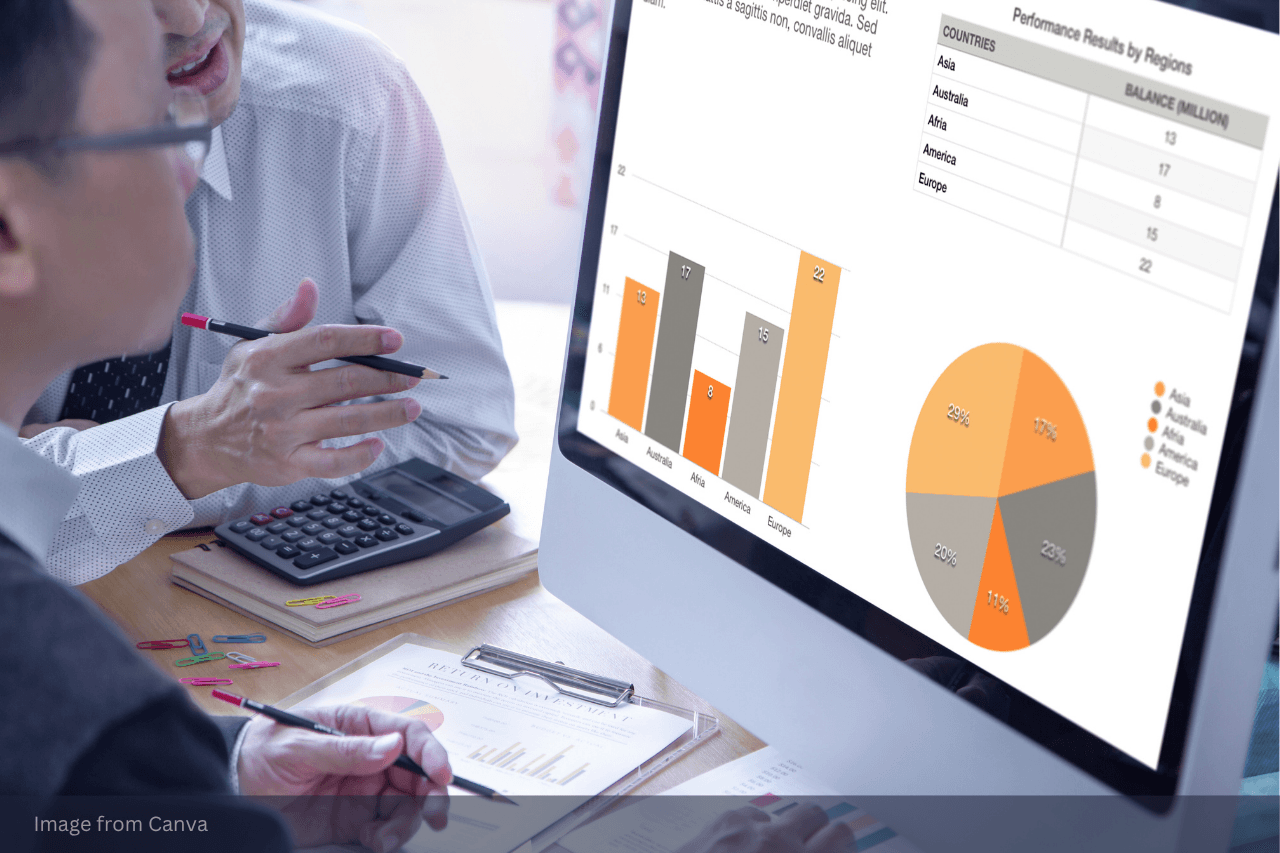
As the famous management guru Peter Drucker quoted, ‘You can't manage what you don’t measure.’ This idea reinforces the need for thorough performance tracking to assess progress and boost overall portfolio returns.
What key performance indicators should landlords use to measure their rental performance?
Listed below are the KPIs the landlord should track to understand their portfolio’s performance, as suggested by Rentila.
- Gross/Net Rental Yield: Identifies which properties are profitable and assesses the overall strength of their rental portfolio.
- Maintenance Costs Per Property: Measures financial efficiency by tracking income, expenses, and ROI, highlighting areas of overspending and identifying cost drivers such as recurring maintenance issues or high-cost properties.
- Occupancy Rate: Assesses whether rental rates are set appropriately or need adjustment, while evaluating the effects of vacancies and the value of investing in tenant-finding services.
- Rent Collection Rate: Calculates how much rent has been collected versus what’s due, providing landlords with a clear view of income status and cash flow projections.
- Tenant Turnover Rate: Shows the rate at which tenants move out at the end of their lease agreements.
Remote Property Management: Stay in Control, Even from Afar
Remote property management empowers landlords to effectively oversee their investments, even when they are miles away.
By utilising property management apps, owners can automate routine tasks, centralise key data, and maintain transparency in all operations, significantly saving time compared with managing everything manually.
Combining these tools with best practices ensures that properties are managed efficiently and responsibly. In this sense, while remote rental property management may be more challenging, it is achievable with the right combination of planning, technology, and trusted local resources.
How to Manage a Property Remotely: Frequently Asked Questions
1. Is it worth owning property abroad?
Owning property abroad can offer diversification, rental income, and lifestyle advantages, but it also comes with risks such as currency fluctuations, unfamiliar tax regulations, and legal complexities.
With thorough research, professional guidance, and a clear understanding of local laws and market conditions, it can be a rewarding venture.
2. What tools help remote landlords track overseas properties?
There are various tools available to help landlords manage properties remotely, depending on the type of support they need.
For tracking financial data, Landlord Studio is a strong option, while Maintain X is ideal for streamlining maintenance requests. For cataloguing properties alongside other assets, MyAssets provides an efficient solution, and for landlords aiming to advertise their properties, Rightmove is the go-to platform.
3. How to manage property from abroad?
Effectively managing property remotely means combining the expertise of a property manager for key tasks such as tenant screening, rent collection, and maintenance, with a dependable local vendor network to ensure seamless operations and quick resolution of any issues.
MyAssets: Keeping All Your Properties Fully Organised in One Platform
In the absence of physical oversight, instant access to comprehensive, organised data becomes non-negotiable for successful remote management. A property organisation app like MyAssets is designed to be that digital backbone, providing a platform to digitise every element of your property portfolio and consolidate them in one place.
How does MyAssets work for you?
One Hub for All Your Property Details
MyAssets is an asset management platform designed to eliminate scattered records. It provides a centralised repository for all property data, allowing users to track historical value and financial appreciation, document every repair or renovation made, and quickly access core property facts (i.e. room configuration, square footage, and specific location) all within one interface.
Every File Sorted and Accessible
Keep all documents organised and easy to access. With MyAssets’ Document Vault, users can upload property titles, contracts, and insurance policies, ensuring every essential file is securely stored, neatly arranged, and instantly retrievable whenever needed.
Assets and Properties, Seamlessly Connected
Worried about overlooking or mismanaging the contents within your rental property?
MyAssets addresses this concern with its Smart Asset Linking feature. This functionality enables users to digitally connect all physical assets such as valuable family heirlooms, household items, art, or other collectables, directly to their property portfolio. This gives them instant access to their location and detailed inventory information, ensuring nothing is lost or unaccounted for.
Say goodbye to messy files. Keep everything organised and connected with MyAssets, free for 14 days.



