


Are you thinking about collecting cards, vinyls, stamps or art?
Collecting is a human activity that gives form to one’s deepest interests and most intense fascinations with objects.
It is a pursuit rooted in one's innate connection to personal items or heirlooms, fueled by a passion for history, or perhaps developed through the irresistible pull of popular culture.
The process of building collections also cultivates valuable life skills. It teaches collectors personal discipline, patience, and resilience, making collecting more than a material pursuit.
Searching for rare pieces or studying the history behind an item requires effort and careful thought. Through these activities, collectors strengthen perseverance and critical thinking as they learn through trial and error and continuous refinement of their knowledge, as highlighted by Medium.
While knowledge determines the success of acquiring valuable collectables, many collectors still underestimate its importance. This gap between enthusiasm and expertise often results in costly, avoidable mistakes by collectors.
The issue is common among those new to collecting, as they frequently make acquisition errors due to a lack of technical understanding. For example, when purchasing works of art on the secondary market, new collectors may overlook requesting provenance. Thus can leave them vulnerable to misattributions or overpaying.
This article then aims to close that knowledge gap by outlining key collecting terms that can help you navigate purchases confidently, assess authenticity, identify market terms, and more.
- Why Is It Important to Know Collecting Terms?
- Vocabulary Words for Collectors
- Acquisition and Buying Terms
- Value and Market Terms
- Authentication and Verification Terms
- Storage and Care Terms
- Documentation Terms
- Collectable-Specific Terms
- Collecting Subcultures and Themes
- Roles and Professionals in Collecting
- Mastering the Language of Collecting
- Collector Terms: Frequently Asked Questions
Why Is It Important to Know Collecting Terms?
Vocabulary words are one of the barriers between a casual collector and a successful collector. Terms form the basic foundation for understanding how the collecting world works, from evaluating authenticity to making informed purchases.
Universal Understanding
Using terms like mint condition to describe a perfect state, rather than saying an item has no flaws, signals that the collector is using the specialised, universal language of trading collections. This shared vocabulary allows dealers, appraisers, and fellow collectors to interpret the item’s quality similarly, enabling clearer communication and stronger negotiation with professionals in the market.

Protection from Unethical Activities
Familiarising oneself with key terms in collecting is fundamental to ensuring the legitimacy of an acquisition. For instance, provenance is the documented trail of an item's ownership and movement, which the Abbey Museum highlights as essential for verifying that a piece is free from illegal or unethical associations.
This history is formalised through a document known as a Certificate of Authenticity, a notarised or officially issued statement certifying the item’s genuineness and verifying the details of the origin.
In this way, collectors can protect themselves from purchasing counterfeit items, forgeries, or stolen goods, mitigating severe financial losses and avoiding involvement in illicit cultural property trade.
Ultimately, the goal of this article is to develop the foundational knowledge that enables collectors to speak the language and engage confidently with industry professionals.
Vocabulary Words for Collectors
Given the expansive nature of the collecting world, this article arranges collecting terms into structured categories, helping collectors understand which words are commonly used across various collecting domains.
Acquisition and Buying Terms
Whether acquiring or buying top collectables, collectors will encounter terms that describe how editions are classified and discover ways to obtain a collection.

Acquisition
Cambridge University Press defines acquisition as the act of obtaining and officially adding new items to a collection, whether they come through purchase, donation, bequest, or exchange.
Auction
An auction, as defined by Britannica, is a competitive sale where collectors bid against one another, and the highest bidder obtains the item. This approach benefits sellers by broadening the buyer pool and increasing potential value, while offering collectors a chance to secure rare pieces.
Collection
In collecting, the term collection refers to the accumulation of objects for display or hobby purposes.
Collector’s Item
A collector’s item, as defined by Dictionary.com, is an article prized for its scarcity or distinctive qualities.
Exclusive
Exclusive describes a collectable that is produced in limited quantities and typically available only through a particular retailer, during a specific event, or via a special manufacturer agreement.
First Edition
First edition denotes the very first release of a book, artwork, or collectable piece.
Flipping
Flipping describes the process of buying an item with the intent to resell it quickly for financial gain. Collectors often source items cheaply from secondhand stores, online auctions, or estate sales, aiming to profit from market demand or the limited availability of particular items.
Limited Edition
Limited edition describes an item produced in a fixed, finite quantity, with no additional units made afterwards. These items are often individually numbered, such as 10/41, to indicate their specific place in the series.
Memorabilia
Memorabilia refers to items kept or collected because they hold sentimental meaning, historical significance, or a connection to a notable person, event, or era.
Special Edition
A special edition refers to an item modified for a specific theme or occasion, setting it apart from the regular version. These editions can include special packaging, bonus content, or altered designs and are sometimes produced in sizable runs.
Value and Market Terms
The collectable market is inherently complex, and a lack of technical fluency only adds to the challenge. Mastering value and market terminology is therefore essential for understanding how the market works and making informed decisions.

Appraisal
Appraisal is the process of determining the value of an item or collection, whether for monetary purposes, such as insurance or sale or for research to understand its historical and cultural significance.
Bid
A bid is the amount a potential buyer offers for an item, reflecting what they believe it’s worth based on their own assessment and interest.
Consignment
Consignment refers to an agreement in which a collector hands over an item to a third party, such as a gallery or auction house, to sell it on their behalf, while keeping legal ownership until the piece is purchased.
Estimate
An estimate represents an expert’s assessment of what an item might sell for, usually given as a price range. It provides guidance to buyers and sellers but does not predict the exact final result.
Fair Market Value
Fair market value is the price a collectable would probably fetch in an open market, representing what a knowledgeable and willing buyer would pay and a similarly informed seller would accept without any pressure.
See also: The Art Market: Five Factors Shaping the Value of Art
Liquidity
As defined by Investopedia, liquidity describes how easily and swiftly a collectable can be sold for cash while maintaining its market value.
Open Edition
Open edition refers to a work, such as a print, photograph, or artwork, that is produced without a fixed limit, allowing for indefinite production based on demand.
Primary Market
Referring to the first point of sale, the primary market is where collectors acquire items directly from the source, such as the artist, publisher, or official distributor, before any resale.
Replacement Value
Replacement value denotes the amount required to replace a collectable with a new item of like kind, quality, and condition, to ensure proper insurance coverage in case of loss or damage.
Return on Investment
Return on investment measures the profitability of a collectable investment by comparing the financial gain to its original cost.
Secondary Market
The secondary market is where items are resold by collectors, traders, or flippers, rather than bought straight from the original creator or official source.
Valuation
Valuation is the process of assessing a collectable’s worth based on its condition, provenance, past sales, and other current market trends.
Authentication and Verification Terms
Authenticity sits at the heart of collecting, and the terms below equip collectors with the language needed to assess whether an item is the real deal.

Authentication
Authentication is the process of certifying an item's verifiable truth and origin. It confirms the collectable is a genuine article, not a reproduction, copy, or fake, and that its association with a specific person or historical event is factual. Without authentication, the value, integrity, and historical significance of a collection cannot be sustained.
Autograph
An autograph is a signature written by a notable person (such as an athlete, celebrity, politician, or historical figure) on an item intended for display, collection, or authentication (i.e., a signed baseball, a photo, a first-edition book or a piece of clothing).
Certificate of Authenticity
The security printing company Orionprint defines a Certificate of Authenticity (COA) as an indispensable security seal or official document that acts as legal proof of a collectable's genuineness and origin. This document is required for items such as art, memorabilia, coins, and autographs to protect the collector's investment by confirming the item's legitimacy.
Grading
Grading refers to the professional evaluation of a collectable’s condition and authenticity, resulting in a standardised grade or numerical score that strongly influences its market value.
Proof
Markets.com defines the coin-collecting term proof as a high-precision manufacturing process used to create coins with superior quality, detail, and overall craftsmanship.
Provenance
From the French provenir ("to come from"), provenance is the formal, documented history detailing a collectable's ownership, custody and location since its creation, as noted by Wikipedia. This verifiable "chain of title" provides the foundational evidence collectors need to establish an item’s authenticity and legality, directly impacting its overall financial value in the market.
Read more: How to Avoid Art Investment Scams
Storage and Care Terms
The crucial phase following acquisition is aftercare, which enables collectors to protect their collection from damage or deterioration. However, safeguarding your collection requires more than just careful handling; it demands technical knowledge of preservation techniques.
If you are not familiar with the specialised vocabulary governing materials and environment, here is a list of essential terms you need to know to ensure your collection’s longevity.
Acid
Acids are chemical substances characterised by their ability to dissolve in water and cause corrosion.
In the context of collecting, the presence of acids, even in trace amounts, within materials like paper and cardboard, can critically weaken delicate items, leading to embrittlement, discolouration, and eventual disintegration.
Acid-Free
As described by Archival Basics, acid-free refers to paper or board with a pH of 7.0 or above, meaning they contain no active acids that could damage collectables.
Climate Control
Climate control is the practice of actively regulating and maintaining stable, predetermined levels of temperature and relative humidity within a storage or display environment.
Conservation
Conservation is a dedicated profession focused on ensuring the long-term preservation of cultural property (artworks, artefacts, historical documents, etc.) for future generations. This practice encompasses the examination of an object's materials and condition, documentation of its current state and history, physical treatment (such as repair or stabilisation), and preventive care to mitigate deterioration.
Display Case
A display case is a cabinet featuring one or more transparent sides, typically made of glass or acrylic, used for the simultaneous purpose of exhibiting items for public viewing, protecting them from environmental factors like dust, as well as physical damage and theft, as defined by Wikipedia.
Framing
Framing is the process of placing an artwork, photo, document, or piece of memorabilia into a protective border and cover to safeguard it while making it display-ready.
Humidity Level
Humidity level (Relative Humidity or RH) measures how much water vapour is in the air compared to the maximum it can hold at a specific temperature. Maintaining this level is essential, as both excessive and insufficient humidity can permanently damage collectable materials.
Preservation
Preservation involves proactive steps to prevent damage and slow the natural ageing of a collectable, including controlling its environment and storing it in stable, non-reactive materials, as highlighted by the Museum of Ontario Archaeology.
PVC-Free
When something is labelled PVC-free, it means it is made without polyvinyl chloride, a material that can break down and harm collectables as it ages.
Restoration
Restoration is the process of bringing an item back to its original or near-original condition by repairing damage, replacing missing elements, and addressing visible signs of wear.
Slab
A slab is a durable, airtight protective case that contains a graded piece (such as a coin or trading card), offering both protection and proof of official grading.
Sleeve
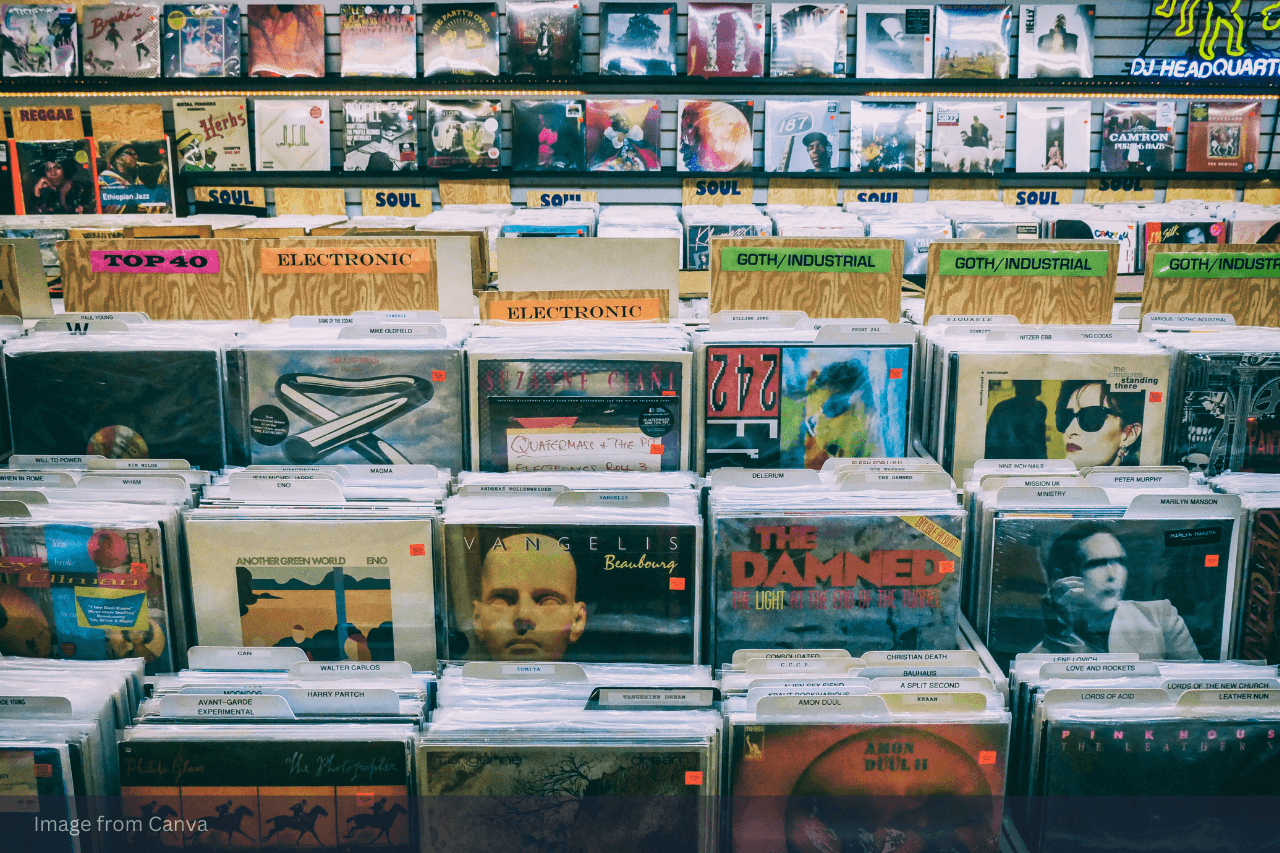
A sleeve is a thin protective cover, usually plastic or paper, used to store and safeguard collectables, such as trading cards or vinyl records.
UV Protection
UV protection refers to using materials or techniques that guard collectables from ultraviolet light, which can lead to fading, discolouration, and deterioration.
Documentation Terms
Keeping a detailed record of one’s collectables is not merely an organisational task; it is essential for verifying value and monitoring an item's condition. By using these terms, collectors can maintain records that effectively convert their collection into verifiable, legally recognised assets.

Circulated
Circulated is a coin-collecting term describing coins that have been used in everyday transactions, which show signs of wear, such as scratches, nicks, and a dulled surface.
Condition report
A condition report is a detailed, formal document that records the physical state of an object, such as an artwork or collectable, through a thorough examination and photographic documentation.
Serving as a critical baseline, the report identifies existing flaws, damage, or restoration, and is thus indispensable for tracking changes over time, accurately assessing the item's market value, and determining its preservation needs within a collection's history.
Edition
An edition identifies a particular version of a collectable work, emphasising scarcity and value. Common types include first editions, limited editions, special editions, and open editions.
Mint Condition
Mint condition indicates an item is pristine, unused or like-new, and free from any defects or signs of handling.
Near Mint Condition
Near mint condition describes an item in excellent condition with only minimal, barely noticeable wear, appearing almost new. It sits one grade below mint, meaning small imperfections like faint scratches or slight edge wear are acceptable, but significant flaws are absent.
Serial Number
A serial number is an identifying number that uniquely marks an item, typically assigned consecutively or incrementally.
Uncirculated
Uncirculated refers to coins that have never been used as currency. They are delivered straight from the mint to collectors or investors, and they maintain their full shine and crisp features, often making them more valuable than circulated counterparts.
Collectable-Specific Terms
With the wide-ranging variety and scope of collectables, everyday terms are often insufficient. Given the sheer diversity and wide industry that collectables offer, the general vocabulary is often insufficient.
This section explores collectable-specific terms that are essential for identifying the type of collectable and understanding its unique characteristics.

Action Figure
Action figures are jointed, movable toys, usually plastic, that represent characters from movies, TV shows, comics, or other forms of media. Its ability to be positioned in various poses is a key feature that supports imaginative play and display.
Antique Furniture
Antique furniture is a collectable interior furnishing of considerable age that reflects the style and distinct construction features of the time it was made, often referred to as its period (i.e., Edwardian, Tudor, Colonial, etc.) Wikipedia defines.
While the specific criteria vary, a piece is generally termed an antique if its age exceeds 100 years, a definition commonly applied by major institutions like Christie's.
Art
As highlighted by Britannica, Art is the expression of human creativity and imagination through a diverse range of media, including painting, sculpture, music, and literature. It is often employed to communicate ideas, emotions, or the artist’s unique personal vision.
Automobilia
Automobilia is a broad collecting category defined as the acquisition of memorabilia and artefacts related to the history, art, and culture of the automotive industry, as noted by the National Motor Museum.
The term, which is a portmanteau of "automobile" and "memorabilia," includes a diverse range of items such as vintage dealership signs, license plates, hood mascots, original parts, racing gear, and advertising ephemera.
Baseball Cards
Baseball cards are collectable trading cards made of cardboard, showcasing a player or team on the front with stats or biographical details printed on the back.
Basketball Cards
A basketball card is a collectable trading card, typically printed on cardboard, plastic, or silk. Each card highlights one or more athletes from major basketball leagues, including the NBA, NCAA, WNBA, international competitions, and other basketball themes.
Cloisonné
Cloisonné refers to a traditional craft where delicate metal wires are arranged on a metal base to form patterns, which are then packed with enamel paste. After kiln firing and finishing, the object exhibits rich, luminous colours and refined ornamentation.
Commemorative Coin
A commemorative coin is created to celebrate a notable event or milestone, often distinguished by a design linked to that occasion, as defined by Wikipedia.
Diecast
Diecast items are metal miniature models, usually of vehicles, formed by high-pressure casting molten metal into detailed moulds.
Lithography
Lithography is a printmaking technique in which a design is created on a flat stone or prepared metal plate and fixed using a chemical process.
Miniatures
Miniatures are scaled-down versions of larger objects, crafted with fine detail to mirror their full-scale counterparts.
Numismatics
Numismatics is the field dedicated to examining and collecting money in all its forms, including coins, notes, and medals. Collectors use the term to encompass items ranging from historical and commemorative issues to modern banknotes, focusing on how they were made, used, and valued.
Pop Figures
Pop figures refer to Funko Pop! collectables, vinyl figures known for their oversized heads and compact bodies, depicting characters from movies, comics, video games, sports, and other pop-culture franchises.
Royal Mint Coins
Royal Mint coins are coins produced by the Royal Mint, a British government-owned institution with a history spanning more than 1,100 years. These encompass everyday UK coins, special commemorative editions, and investment-grade precious metal bullion coins.
Trading Cards
A trading card is a collectable card showcasing an image and details about a particular subject, like a sports athlete, fantasy character, or piece of art, intended to be part of a set for collecting and trading. Collectors pursue them for fun, nostalgia, gameplay strategy, or investment potential.
Vinyl
Vinyls or records are analogue audio discs made from PVC, prized by collectors for their warm sound quality, rarity, unique pressings, and nostalgic or visual appeal.
Woodblock Print
A woodblock print is an artwork produced through a relief printing method in which an image is carved in reverse on a wooden block, inked, and then transferred onto paper. This technique is especially associated with Japanese ukiyo-e works from the Edo period.
Collecting Subcultures and Themes
Collectors often gravitate toward specific niches that reflect their interests, passions, and personal histories. Exploring these themes helps clarify what shapes collecting habits and the direction a collection takes.
Antique
An antique is an aged object, often prized for its beauty, rarity, or historical significance. While it can refer to any item from the distant past, it typically applies to furniture, artwork, or decorative pieces that are at least 100 years old.
Contemporary Art
Contemporary Art refers to artworks created from the late 20th century to the present, as described by Google Arts & Culture. Its diversity of art styles, mediums, and approaches reflects the concerns and ideas of current artists working in an increasingly global and technologically advancing world.
Common themes of contemporary art include identity, society, culture, and technology, with many works challenging traditional definitions of art.
See more: How to Build Your Art Collection in 7 Steps
Classic
Classic refers to pieces that have stood the test of time in significance, craftsmanship, and popularity, independent of their actual age.
Fine Art
Fine art is a visual art form, such as painting or sculpture, created primarily for its beauty or intellectual expression rather than for practical use or commercial gain.
Militaria
Militaria refers to the field of collecting military-related objects, such as uniforms, medals, weapons, helmets, and personal equipment, valued for their historical importance.
Nostalgic
Nostalgic collecting is motivated by a sentimental connection to the past. Collectors seek items, such as vintage toys, music, or memorabilia, to rekindle fond childhood memories, express personal identity, find comfort, and engage with shared cultural narratives. These objects act as time machines, allowing collectors to revisit treasured moments and emotions.
Philately
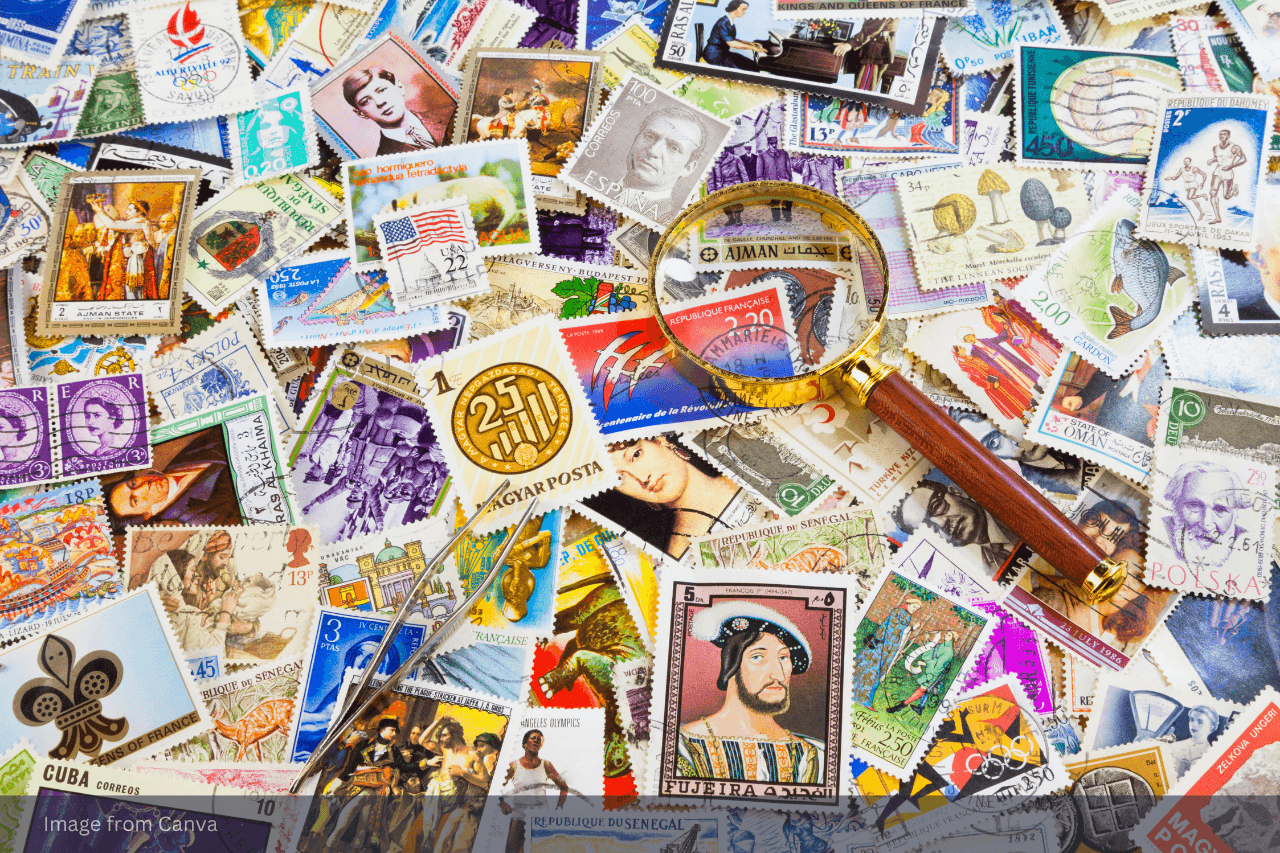
Philately is the study and collection of stamps and other postal memorabilia, including items like stamped envelopes, cancellations, and postcards.
Pop Culture
In the collecting world, pop culture refers to the practice of acquiring items that reflect popular trends, spanning memorabilia from films, music, comics, toys, and fashion.
Rare
Rare refers to objects that are uncommon due to their limited numbers, historical age, or unique traits, including mistakes or exclusive editions.
Retro
Retro indicates objects made today that intentionally capture the look, feel, or design of earlier periods without being vintage or antique.
Sports Memorabilia
Collecting sports memorabilia involves gathering objects connected to sports figures, teams, or events, such as signed apparel, game-used gear, trophies, and trading cards.
Vintage
Vintage typically describes items that are at least 20 years old but less than 100 years old, distinguishing them from contemporary collectables and true antiques.
Roles and Professionals in Collecting
Collectors don’t operate in isolation; many rely on the expertise and support of professionals who guide, evaluate, and manage collections. Understanding the roles in the collecting world helps enthusiasts navigate acquisitions, preservation, and the broader market with confidence.

Appraiser
An appraiser is a professional who evaluates an item to establish its fair market value, providing an official assessment of collectables, such as art, jewellery, antiques, or memorabilia, for insurance, sales, estate, or tax purposes.
Artist
According to the Britannica Dictionary, an artist is someone who creates art, is skilled in drawing or painting, performs with expertise, or excels in a particular field.
Art Advisors
Art advisors assist clients in navigating the art world, providing guidance on building and managing collections, selecting pieces within budget, and overseeing practical aspects such as shipping, installation, and display.
Art Curator
An art curator is a professional who manages and oversees an art collection in institutions like museums or galleries. They are responsible for acquiring new works, organising exhibitions, researching and interpreting artworks, and maintaining proper care and documentation of the collection.
Art Connoisseur
An art connoisseur is an expert with the knowledge and discernment to evaluate art critically, skilled in identifying quality, styles, periods, and authenticating works.
Art Restorer
An art restorer is an art specialist who carefully conserves, repairs, and restores pieces to uphold their historical significance and visual integrity.
Auctioneer
Auctioneers are individuals who manage auctions, taking bids from participants and officially declaring items sold.
Bibliophile
A bibliophile is someone who has a deep love for books and often collects them, appreciating not only their content but also their physical qualities, such as binding, typography, and edition.
Collector
A collector is someone who collects items of a particular type, either as a hobby or profession.
Completionist
A completionist is a collector driven to obtain every item within a particular set, series, or category to feel a sense of total completion.
Consignor
In collecting, a consignor refers to the individual or entity that owns an item and submits it to a consignee (such as an auction house or gallery) for sale.
Consignee
A consignee is an individual or business (like a gallery or auction house) authorised to sell a collectable on behalf of its owner (the consignor).
Dealer
In the collecting world, a dealer is a specialist who acquires and resells collectable items, using their market knowledge to source inventory, identify value, and connect buyers with pieces that match their interests.
Hobbyist
A hobbyist collector is an individual who collects items purely for pleasure. They often spend their time searching for, acquiring, organising, cataloguing, and displaying pieces, whether stamps, coins, toys, or sports memorabilia.
Numismatists
A numismatist is a person dedicated to the collecting and study of currency, ranging from coins and banknotes to tokens and commemorative medals.
Philatelist
A philatelist is an individual who collects or studies postage stamps and related postal items, including postmarks, stamped envelopes, and other mail ephemera.
Restorer
Restorers in collecting carefully repair, and rehabilitate items, aiming to recover their original look, function, and value.
Trader
A trader is someone who exchanges items directly with other collectors instead of relying on monetary sales.
Mastering the Language of Collecting
Understanding collecting terms is more than just learning definitions; it is about gaining the confidence and expertise to navigate the collecting world effectively.
A strong grasp of vocabulary ensures universal understanding among collectors, dealers, and professionals, while protecting individuals from unethical practices and poor investment decisions.
From acquisition and buying terms to market valuation, authentication, storage, documentation, and the specialised language of subcultures and roles within collecting, mastering these terms equips collectors to make informed choices and communicate like a pro.
Whether a novice or an experienced enthusiast, a solid foundation in collecting terminology is the key to turning passion into a rewarding, well-informed pursuit.
Collector Terms: Frequently Asked Questionss
1. What is the concept of collecting?
The concept of collecting is the intentional and systematic gathering of specific objects, such as art, antiques, or memorabilia, based on shared characteristics, themes, or historical significance.
2. What stuff is worth collecting?
The value of items in a collection is determined entirely by the collector’s purpose. For example, a passion for sports may inspire the collection of memorabilia, while an interest in history could lead to the acquisition of antiques.
Ultimately, the “worth” of a collectable is measured not by its market price alone, but by how effectively it fulfils the collector’s personal goals, resonates with their interests, and contributes to the overall narrative or cohesion of the collection.
3. What do you call someone that collects?
The most common and general term for someone who collects is a collector. However, more specific terms often apply, such as a bibliophile for books, a numismatist for coins, or a philatelist for stamps, depending on their area of focus.
MyAssets: The Digital Organiser For Collectors, By Collectors
Anyone who believes they already know enough about collecting may be surprised by how much more there is to uncover.
Why? The world of collecting is broad and constantly evolving, and staying informed is essential for any collector who wants to succeed.
And with knowledge comes an equally important responsibility: managing the collection itself. As collections grow, so do the demands of keeping everything organised, documented, and easy to track.
Digital tools make this process far more efficient, leading directly to solutions designed for collectors. This is where MyAssets, a smart organiser built for collectors, comes in.
So, what is MyAssets? Primarily an asset management platform, MyAssets distinguishes itself with its centralised record-keeping, offering features that help collectors stay organised as their collections grow.
How does MyAssets organise your collection? MyAssets empowers collectors to catalogue artworks, vinyls, CDs, toys, and other unique collectables directly into the platform. By entering essential details, such as the collectable’s model, edition, brand, type, location, purchase price, and current valuation, the platform creates a centralised record for each item. This ensures every piece is documented and information is organised and readily accessible whenever needed.
Beyond cataloguing details, MyAssets allows collectors to digitise physical documents, such as Certificates of Authenticity, provenance reports, and appraisal reports, by capturing and uploading them into the Document Vault. This centralised space stores all vital files, and even better, links each document to its corresponding collectable, ensuring everything stays organised and easy to access.
Beyond organising physical documents, MyAssets also consolidates key information into a clean, easy-to-read Dashboard. This gives collectors a full picture of their collection by highlighting total assets, associated liabilities, and net value, allowing them to understand their collection’s value at a glance.
Keep your entire collection organised and fully documented with MyAssets, free for 14 days.



