

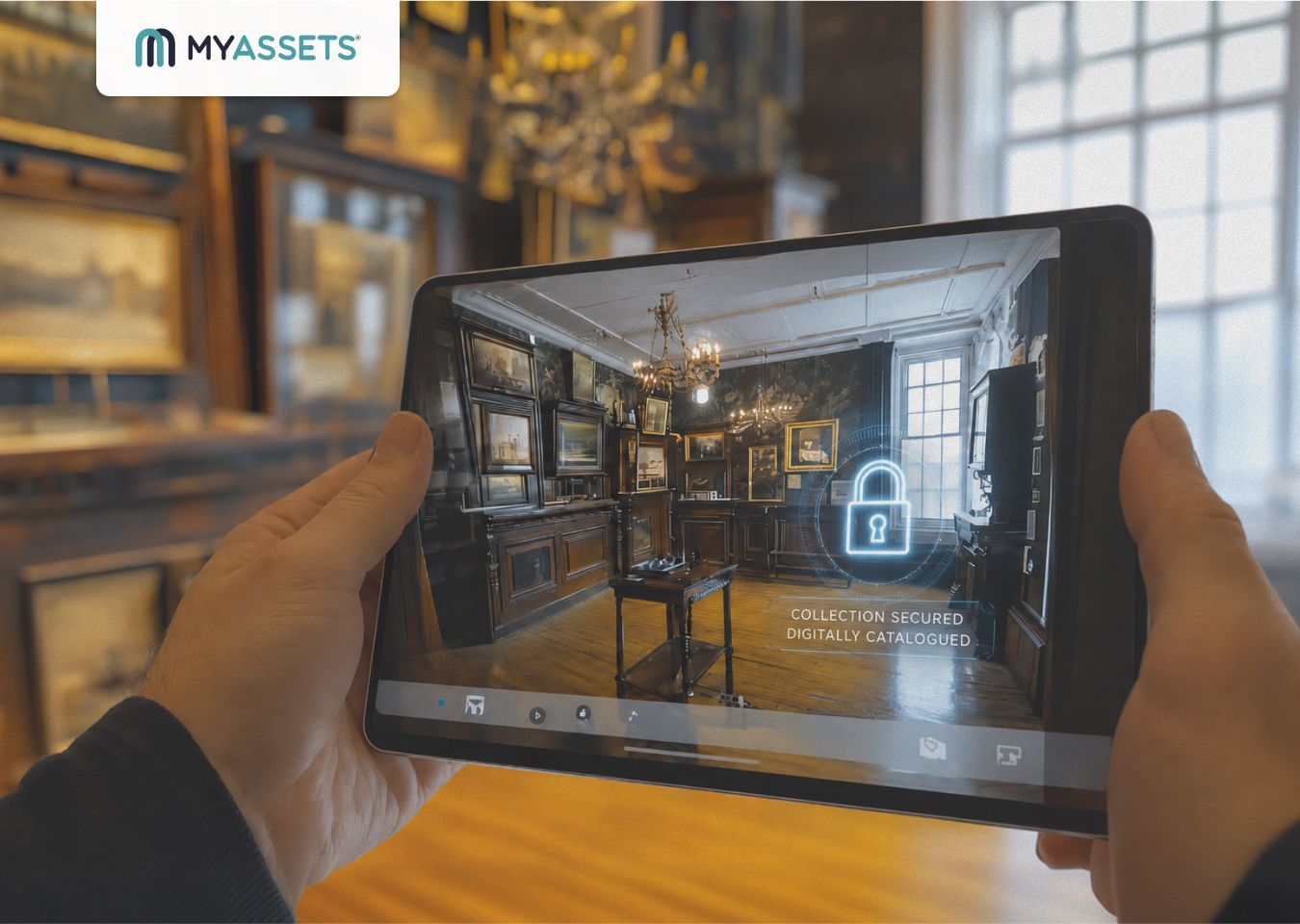
How do you incorporate digital cataloguing in your collection documentation process?
As a collector, you invest time, passion, and often significant resources into building collections that hold both financial and sentimental value. Whether it’s art, rare books, coins, trading cards, or luxury items, maintaining the integrity and worth of a collection requires more than careful storage. It also demands proper collection documentation. This is where digital cataloguing comes in.
While it’s important to keep physical records of your various collections, creating a digital catalogue of your collectables is also an integral part of managing collections. Having a digital catalogue allows you to build a reliable tracking system, ensuring that you can better organise your collectables.
A digital catalogue serves as a centralised system that captures key information about every piece in a collection. You can store important details about different collectables, such as:
- Purchase dates
- Provenance
- Condition reports
- Market value
- High-quality images
This preserves critical information that might otherwise be lost over time and strengthens the overall credibility and traceability of your collection. In the event of resale, insurance claims, or appraisals, having a well-maintained digital record enhances the perceived and actual value of these items.
Digital cataloguing also makes it easier to organise collections in meaningful ways. Items can be sorted by category, date, value, or any custom criteria, allowing collectors to quickly locate specific pieces without relying on memory or manual records. This level of organisation is particularly valuable for large or growing collections, where keeping track of items can otherwise become overwhelming. With search and filter functions, what once took hours to search can now be completed in seconds.
A digital catalogue of your collections also gives you the ability to track and manage collectables over time. Digital catalogues can be updated instantly to reflect changes in condition, ownership, or market trends. You can monitor appreciation or depreciation, set reminders for maintenance or insurance renewals, and even integrate their catalogue with external tools.
This article explains the benefits and best practices for digital cataloguing to manage collections. Read more to learn about why you should adopt a digital catalogue for your collections.
- What is Digital Cataloguing?
- How Digital Cataloguing Protects Collection Value
- Preventing Loss, Theft, and Misplacement
- Accurate Record-Keeping for Insurance and Appraisals
- Enhancing Provenance and Ownership Documentation
- What are the Financial Benefits of Digital Cataloguing?
- Key Features of an Effective Digital Cataloguing System
- Metadata, Tagging, and Searchability
- Cloud Storage and Data Security
- Image Documentation and Condition Tracking
- Best Practices for Digitally Cataloguing Your Collection
- Organise and structure collectable data
- Choose the right digital tool for your digital catalogue
- Maintain and update collectable data
- Frequently Asked Questions: The Importance of Digital Cataloguing for Your Collections
What is Digital Cataloguing?
Digital cataloguing refers to the process of organising, storing, and managing information about items in a collection using digital systems instead of traditional paper-based methods. It is a core component of digital collection management, enabling institutions and individuals to efficiently record, search, and maintain detailed information about assets. Whether used in libraries, museums, archives, or businesses, digital cataloguing enhances accessibility, accuracy, and data preservation.
Digital collection management also involves using software or databases to systematically document items. This includes assigning metadata (e.g. titles, descriptions, dates, authors, and classifications) to each object.
Some of the key features of digital collection management include:
- Searchability: Users can quickly locate items using keywords or filters, saving time compared to manual systems.
- Scalability: Digital systems can handle growing collections without the physical limitations of storage space.
- Remote access: Users can view and manage collections from anywhere with an internet connection.
- Integration: Many systems can connect with other platforms, enabling data sharing and collaboration across institutions.
- Improved preservation: It reduces the need to handle fragile physical items, which minimises damage.
Types of Collections that Benefit from Digital Cataloguing
Digital cataloguing is a valuable tool for both institutional and personal use. Its ability to improve organisation, accessibility, and preservation makes it essential in managing diverse types of collections in the digital age.
Libraries use it to manage books, journals, and multimedia resources. This makes it easier for patrons to find and borrow materials. Museum cataloguing involves documenting artworks, artefacts, and exhibitions, often including images and detailed provenance records.
Meanwhile, archives, including government and historical records, benefit from improved organisation and long-term preservation. Businesses also use digital cataloguing for inventory management, tracking products, and maintaining supply chain efficiency.
Even personal collections, however small or new, can greatly benefit from digital cataloguing. Individuals often manage collections such as:
- Photographs
- Music libraries
- Books
- Movies
- Stamps
- Coins
- Memorabilia
As you expand your knowledge in collecting terms and concepts, building a digital system allows you to organise these items with detailed descriptions, tags, and images, making them easier to search and enjoy. For example, a digital photo catalogue can sort images by date or location, while a music collection can be categorised by artist or genre. If you have collecting hobbies like trading cards, antiques, or souvenirs, you can track item details, value, and condition over time.
Read more: How To Start Collecting A High-Value Action Figure Collection
How Digital Cataloguing Protects Collection Value
Digital cataloguing plays a crucial role in protecting the value of your collections by ensuring that items are properly documented, traceable, and secure. Whether applied to art, antiques, or personal belongings, a well-maintained digital catalogue strengthens both the financial and historical worth of a collection.
Preventing Loss, Theft, and Misplacement
By recording detailed information such as item descriptions, images, and storage locations, you can easily track where each object is at any given time. This minimises the risk of items being misplaced, especially in large or frequently moved collections.
In cases of theft, having documented evidence (such as photographs and ownership details) can assist authorities and insurers in identifying and recovering stolen items. Digital catalogue systems also provide backups, reducing the risk of losing records compared to paper-based documentation.
Accurate Record-Keeping for Insurance and Appraisals
Digital catalogues allow you to store key financial and descriptive data, including purchase price, current value, and acquisition history. This information ensures that items are properly valued and insured.
In the event of damage or loss, detailed records make it easier to file claims and receive fair compensation. Insurers often require proof of ownership and value, and a comprehensive digital catalogue provides this evidence efficiently and reliably.
Enhancing Provenance and Ownership Documentation
Digital cataloguing enhances record-keeping for your collectables, particularly the provenance and ownership documentation, which are critical to maintaining and increasing an item’s value. Recording the provenance of a collectable transforms an object into a documented asset rather than just a possession.
Capturing these details preserves not only the item’s authenticity but also its story and significance over time. Provenance records help establish trust, support resale potential, and often increase market value, as buyers prefer items with verifiable histories.
Digital cataloguing safeguards collection value by improving security, ensuring accurate financial documentation, and strengthening provenance records.
What are the Financial Benefits of Digital Cataloguing?
Digitally catalogued items come with verifiable documentation, which builds buyer confidence and reduces uncertainty. Auction houses and private buyers are more willing to pay premiums for assets with clear histories and authenticated records, leading to stronger returns than for undocumented items.
Equally important is supporting insurance claims with verified data. A digital record complete with receipts, certificates, and images provides proof of ownership and value. This minimises disputes and accelerates claims processing in the event of loss or damage. Platforms that centralise asset data also ensure that critical documentation is securely stored and easily retrievable, reducing financial risk.
Digital cataloguing also plays a key role in reducing long-term management costs. Consolidating asset information into one system eliminates inefficiencies caused by manual tracking, duplicate appraisals, and lost records. Over time, this streamlined approach lowers administrative expenses and improves decision-making.
Most importantly, digital cataloguing directly contributes to improving your net worth. Your net worth is strengthened by accurately identifying and valuing your assets, including your collectables. By tracking real-time values and maintaining organised records, you protect your investments and actively enhance your overall financial position.
Learn more: What You Should Know Before Selling Antiques: A Complete List
Key Features of an Effective Digital Cataloguing System
An effective digital cataloguing system should have the ability to organise, protect, and make information about your collectables easily accessible.
Metadata, Tagging, and Searchability
Metadata provides structured details that allow each asset to be uniquely identified – such as asset name, creator, acquisition date, and provenance. An effective digital cataloguing system should allow you to group collectables by category, theme, or period, making retrieval faster and intuitive. For example, MyAssets has sophisticated record-keeping capabilities for collectables, capturing detailed attributes and asset types so you can filter and locate items efficiently within a searchable database.
Cloud Storage and Data Security
A reliable collection cataloguing system should store data centrally while maintaining backups and encryption, which ensures that valuable records are not lost or compromised. MyAssets addresses this by offering a secure, cloud-based document storage where you can store images, certificates, and receipts, supported by encrypted backup systems that reduce the risk of data loss. This feature is crucial for managing high-value assets requiring insurance and authentication.
Image Documentation and Condition Tracking
High-quality images, along with detailed condition notes, allow you to monitor wear, damage, or restoration of collectables over time. MyAssets enables users to upload photos and condition reports directly to each item, creating a visual and historical record that supports valuation, resale, and insurance claims.
The best software for managing collectables should integrate these features seamlessly. It’s important to use digital tools like MyAssets that combine detailed metadata, secure cloud storage, and comprehensive documentation tools, ensuring collections are organised and future-proof.
Best Practices for Digitally Cataloguing Your Collection
Digitally cataloguing your collections requires a structured, consistent, and well-maintained approach to ensure long-term value and accessibility.
Organise and structure collectable data
As a collector, you must track your collection by recording core details such as:
- Creator or manufacturer
- Name
- Type
- Purchase date
- Attributes
- Condition
Grouping collectables by categories like theme, period, or value further simplifies retrieval and analysis, while tracking location prevents loss or misplacement. Including photos and digitised documents, such as receipts or certificates, strengthens authenticity and documentation.
Choose the right digital tool for your digital catalogue
Choosing the right digital tools or software is equally essential. Collection management platforms allow you to centralise data, attach documents, and categorise items efficiently. These tools streamline your digital catalogue and support valuation, insurance, and resale by keeping all information accessible in one system. Cloud-based storage and inventory apps provide backups and reduce the risk of losing important records.
Maintain and update collectable data
Maintaining and updating records is a continuous responsibility. Regular updates about your collection’s condition, value, and location ensure accuracy and relevance. Consistent documentation improves decision-making and protects the collection over time.
However, collectors must avoid common mistakes. Gaps in records, poor storage practices, and reliance on a single file system can weaken authenticity and risk data loss. Establishing a structured system, using backups, and recording complete attributes helps prevent these issues.
Manage Collections with Confidence
Managing collections with confidence begins with one essential foundation: a reliable digital catalogue. Without a structured system, valuable items can quickly become disorganised, undocumented, or even lost. A digital catalogue brings clarity by centralising all information into a single, accessible record. This improves visibility and supports better decision-making, whether for insurance, resale, or long-term investment planning.
Platforms like MyAssets demonstrate how digital tools can transform collection management. By consolidating all assets into one system, MyAssets creates a “single source of truth,” reducing errors caused by scattered files or inconsistent records. It allows users to add detailed information, categorise collectables, and attach important documents like receipts or certificates directly to each item.
MyAssets streamlines management through real-time updates, customisable data fields, and built-in analytics, enabling collectors to track changes in value, condition, and location over time. This centralised and dynamic approach reduces the risk of duplication, loss, or outdated information while improving efficiency. Ultimately, adopting a digital catalogue empowers collectors to stay organised, protect their assets, and manage their collections with confidence and precision.
Frequently Asked Questions: The Importance of Digital Cataloguing for Your Collections
1. What is digital cataloguing?
Digital cataloguing is the process of recording and organising information about collectable items in a digital system, including details like ownership, condition, and value.
2. Why is digital cataloguing important for collectors?
Digital cataloguing keeps records accurate, accessible, and secure, reducing the risk of loss, misplacement, or incomplete documentation.
3. How does digital cataloguing increase value?
Digital cataloguing increases value by providing clear provenance, detailed records, and supporting documentation, which strengthens authenticity and buyer confidence.
4. What tools can I use to catalogue my collection?
You can use tools such as spreadsheets, cloud storage platforms, or dedicated collection management software, such as MyAssets.
MyAssets: Upgrade Your Collection Documentation Process
Digitally cataloguing collections transforms how collectors organise and manage their assets by creating a clear, centralised system for tracking every item. With accurate records, detailed documentation, and easy access to information, collectors can reduce errors, prevent loss, and make more informed decisions about their holdings. It also simplifies tasks such as valuation, insurance, and future sales, while ensuring long-term preservation of important data.
Take the next step toward streamlining your collection documentation process. See every collectable you own in one place with MyAssets, free for 14 days.



