

When did managing money get so complicated? In today’s financial landscape, where credit cards, loans, and buy-now-pay-later services are widely used, debt isn’t just in one place. It is scattered across multiple accounts, making it more important than ever to track debt.
Balancing these obligations tests financial resilience. It demands individuals to monitor competing due dates while making high-pressure decisions on the fly. To avoid falling into a cycle of compounding interest, they need more than good intentions –they require financial knowledge, skills, and an app to keep track of debt.
Indeed, extensive research has found that individuals with higher financial literacy tend to achieve better economic outcomes. Conversely, pioneering research by economist John Campbell highlights that limited understanding of interest rate calculations is associated with higher debt levels, increased fees, and a greater risk of default and delinquency.
Thus, when confronted with complex and often opaque interest cycles, many fall victim to the "ostrich effect” –a cognitive bias in which people willfully ignore their account balances to escape the psychological stress of their financial reality.
Guilty or not, this behaviour is concerning as it can reduce financial awareness and, worse, lead to a poor credit score. Fortunately, there is a silver lining to this financial complexity: a debt tracker app.
Debt tracker apps have democratised money management by taking out mental friction. Recent empirical studies show that these tools do more than just display numbers; they alter financial habits.
By converting easily ignored monthly statements into a constant, highly accessible financial status, debt management tools eliminate ignorance of accumulating interest. They reduce the cognitive load of managing multiple due dates and act as a persistent psychological "nudge" that drives on-time payments.
Interested in learning more about the best debt tracker apps? This article explores the key features to look for in a debt tracking app and highlights the top options to help stay on top of payments.
- What is a Debt Tracker?
- What to Look for in a Debt Tracking App?
- 5 Powerful Apps to Track Debt
- Comparison of the Best Debt Tracker App
- Choosing the Best App to Keep Track of Debt
- App to Track Debt: Frequently Asked Questions
What is a Debt Tracker?
A debt tracker is a personal finance tool that helps users track and manage their debt across credit cards, loans, and other financial obligations. It works in several ways, including:
- Consolidating key debt details, such as minimum payments, interest rates, and total balances across multiple creditors into a single view.
- Organising various financial obligations into a structured overview for easier tracking and management.
- Monitoring repayment of loans and credit cards by tracking due dates, payment amounts, and progress toward fully paying off each balance.
- Visualisinh remaining balances by showing easy-to-read breakdowns of how much debt is left on each account and overall.
In simpler terms, it helps turn scattered debt information into a clear, manageable overview.
What to Look for in a Debt Tracking App?
The right app to keep track of debt can make the difference between becoming debt-free and abandoning obligations out of frustration. When choosing a debt management tool, prioritise features that reduce complexity and automate debt tracking.
Payment Scheduling and Reminders
Forgetting a payment date is a primary driver of costly late fees and an unexpected drop in credit score.
To prevent this, the payment scheduling and reminder feature sends push notifications before a bill is due. With timely reminders, users can stay on top of upcoming payments, reduce the risk of missed deadlines, and maintain a consistent repayment routine.
Multi-Debt Support
When balances, due dates, and payment amounts are spread across multiple credit card and loan accounts, it can quickly become overwhelming for individuals to keep track of their financial obligations.
Debt manager tools with multi-debt support address this challenge by consolidating all debts into a single platform for seamless tracking and management. These tools can typically manage a wide range of debts, including:
- Auto loans
- Buy Now, Pay Later (BNPL) plans
- Credit card debt
- Mortgage loans
- Personal Loans
Interest Tracking
Ignoring debt interest is a dangerous trap; missing or delaying a single payment can trigger compounding interest, causing balances to snowball far faster than expected. Without clear visibility over these numbers, it is easy to misjudge how expensive debt truly is, leading to extended repayment timelines and heavy financial stress.
Enter interest tracking, recording how much interest is being charged on each debt and how it impacts overall repayment. With this feature, users can identify costly high-interest balances, prioritise them when left unpaid, and make more informed payment decisions to reduce total interest over time.
Find out: 5 Financial Habits That Are Good For Building Net Worth
5 Powerful Apps to Track Debt
Managing debt doesn’t have to be complicated. With the right tool, it becomes seamless to organise payments, track balances, and stay on top of multiple financial obligations. Here are the best debt tracker apps worth exploring:
1. Debt Payoff Planner
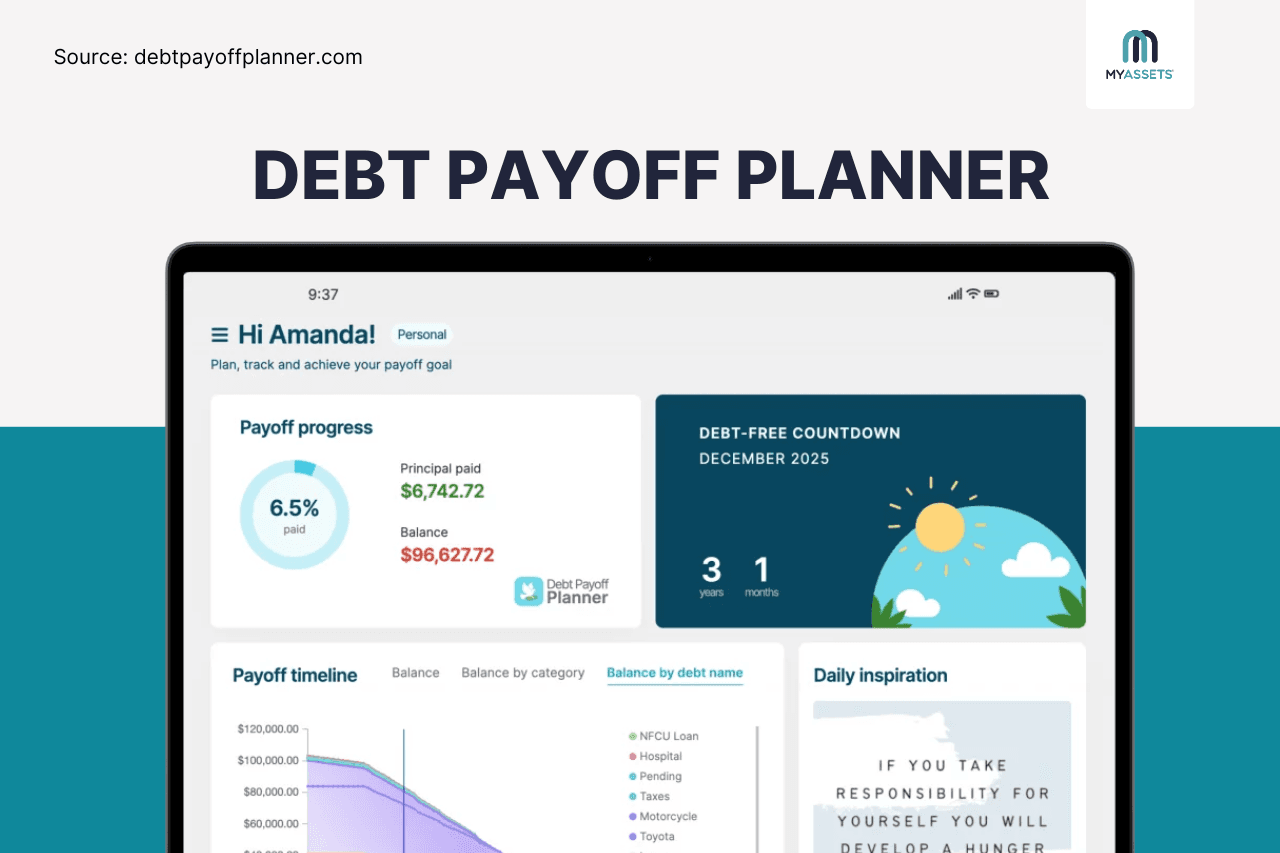
A Debt Payoff Planner is a financial tool that helps organise debt, reduce interest costs, and eliminate debt quickly. It also builds a structured repayment timeline that shows their path toward financial freedom.
Pros
- Features interactive sliders that show users how to make extra payments or lump-sum additions (such as bonuses or tax refunds), which can reduce the loan payoff timeline by months or years.
- Shows how to distribute monthly budget payments using approaches such as the Debt Snowball method for the smallest debts or the Debt Avalanche method for the highest-interest debts.
Cons
- Outdated or incorrect inputs can affect calculations and repayment projections.
- Requires manual input of balances, interest rates, and minimum payments, making setup and maintenance somewhat tedious.
Free Trial: No, but it offers a basic free version
Price: Starts at $2.49/month
2. You Need A Budget (YNAB)
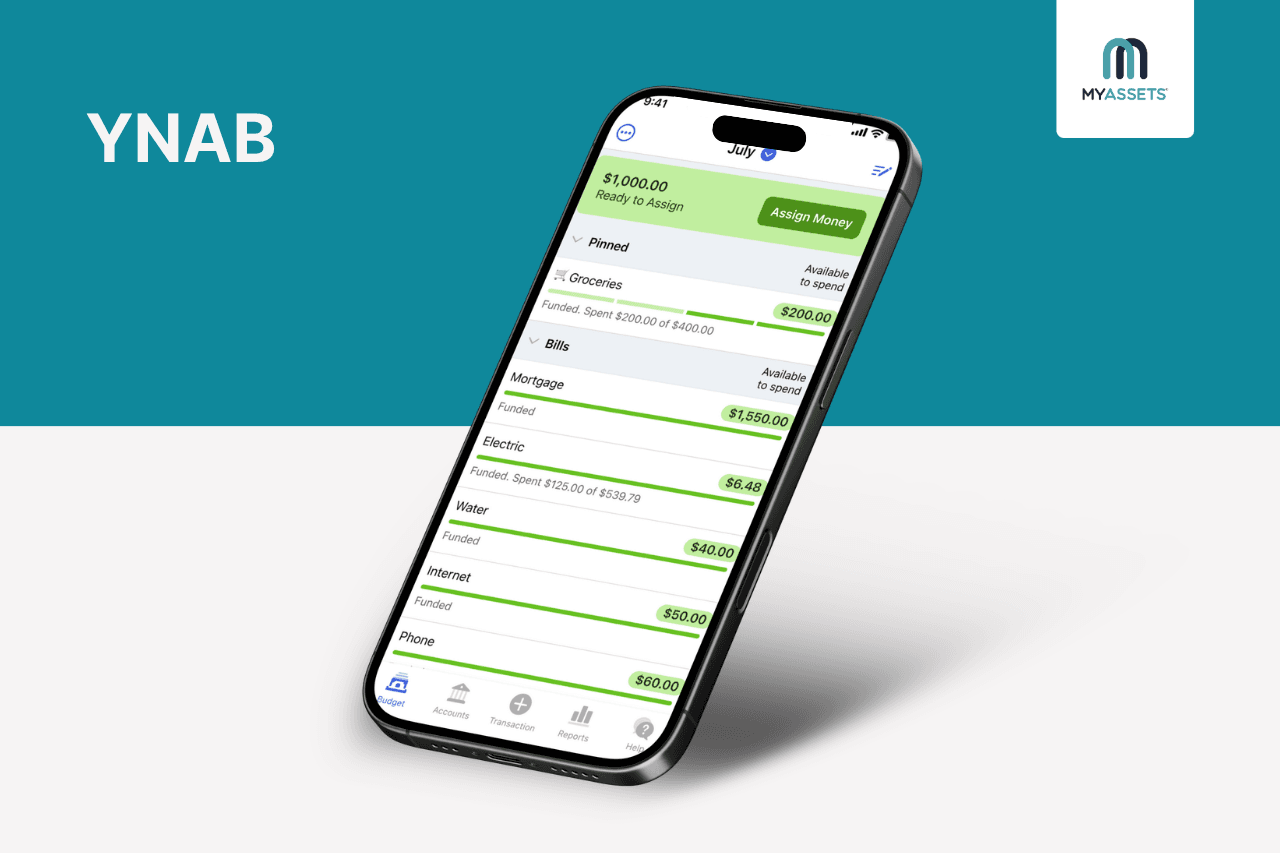
You Need A Budget (YNAB) offers a debt management tool that helps users track and eliminate debt through a structured budget system.
Pros
- Offers a loan planner tool that helps create a paydown plan by calculating how much time or interest can be reduced by making slightly higher payments.
- Transfers funds from the spending budget to the credit card payment category after each credit card transaction, making it one of the best apps to track credit card debt.
Cons
- Built around its own distinct system (The Four Rules), which may take beginners a few weeks to understand fully.
- Requires regular user engagement to manage transactions and categories, rather than running on autopilot.
Free Trial: Yes - 34 days
Price: $14.99/month
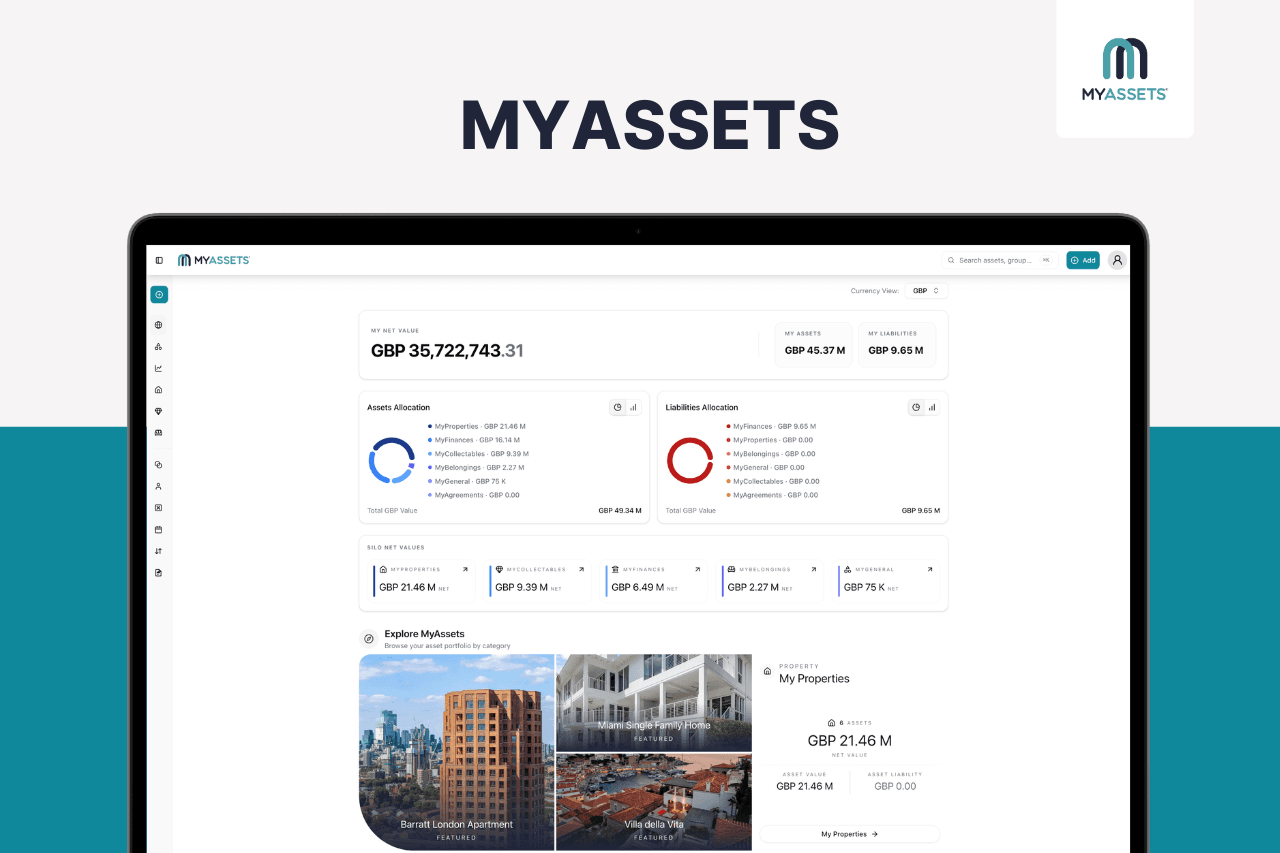
3. MyAssets
Primarily an asset management platform, MyAssets also serves as an app to consolidate debt. It helps users record and organise various liabilities, including:
- Credit card balances
- Personal Loans
- Mortgages
By unifying debts and assets, it provides a clearer, more accurate view of their net worth.
Pros
- Features payment scheduling to add mortgage or loan due dates, helping users keep a clear record of payment timelines.
- Provides an agreement feature where users can record loan or mortgage contracts linked to property or other collateral.
Cons
- As a comprehensive platform that tracks both assets and liabilities, it may feel complex for users who only want simple debt tracking.
- Focuses on tracking debt rather than helping users accelerate payoff.
Free Trial: Yes - 14 days
Price: $25/month
4. Monarch Money
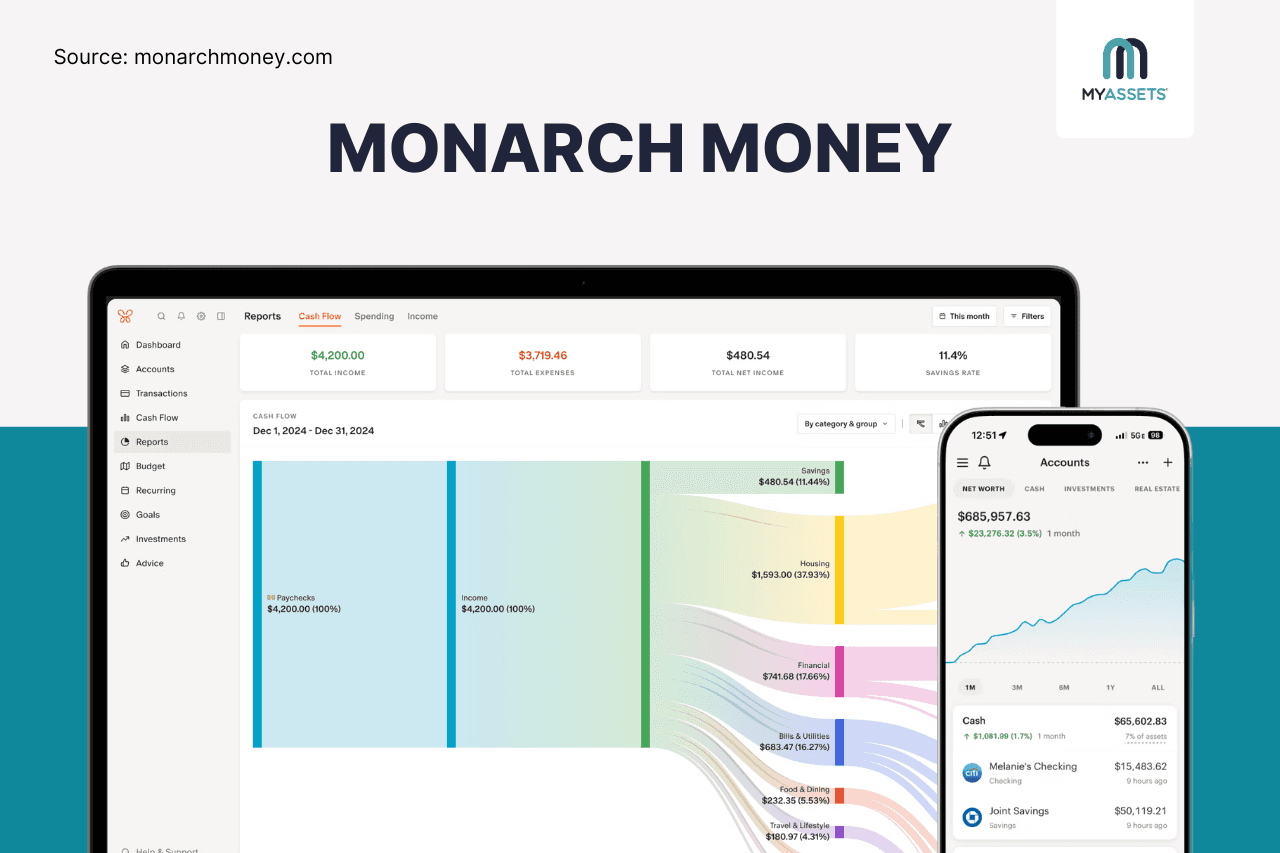
As part of its personal finance platform, Monarch Money offers debt tracking tools that consolidate liabilities, estimate payoff timelines based on interest rates and planned payments, and monitor progress toward a debt-free goal.
Pros
- Includes bill syncing, which retrieves statement balances, minimum payments, and due dates for credit cards and loans.
- Offers shared access for partners, allowing both to track household debt together without exchanging banking credentials.
Cons
- Its extensive customisation options can make the setup process, including category organisation, data syncing, and goal setting, feel somewhat overwhelming at first.
- Less ideal for users who prefer manual input or cash-based tracking, as it is designed to pull transactions directly from banks.
Free Trial: Yes - 7 days
Price: Starts at $8.33/month
5. Rocket Money
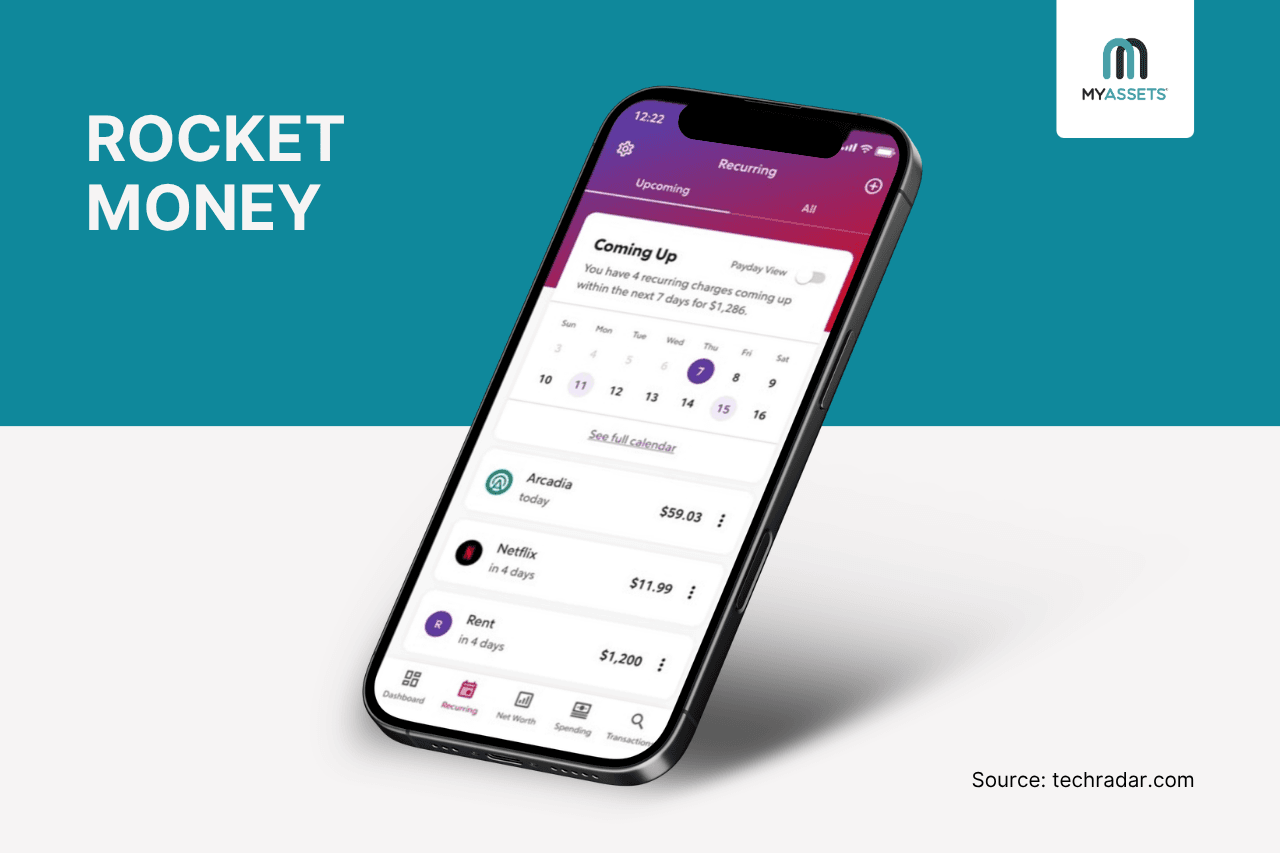
Rocket Money is a personal finance app that helps users stay on top of their bills, spending, and subscriptions. Its tools enable users to link financial accounts, identify invisible subscriptions, and help build budgets to better manage their finances.
Pros
- Identifies ongoing subscription costs and helps users remove services they no longer need.
- Offers a bill negotiation service that works with providers to reduce monthly costs or secure credits for service disruptions.
Cons
- Bill negotiation results are not guaranteed, and successful savings typically come with a fee of 35%-60% of the first year's savings.
- Good for tracking past spending, but less effective for detailed future financial planning.
Free Trial: Yes - 7 days
Price: Starts at $7/month
Comparison of the Best Debt Tracker App
Still undecided which debt tracking app to choose? Here is a comparison highlighting their key features and differences.
| App | Primary Focus | Key Features | Starting Price |
|---|---|---|---|
| Debt Payoff Planner | Debt repayment planning | - Debt Snowball and Debt Avalanche calculators - Custom payoff timelines and projections |
$2.49/month |
| You Need A Budget (YNAB) | Budgeting and financial discipline | - Zero-based budgeting system - Real-time category-based expense tracking |
$14.99/month |
| MyAssets | Asset and liability tracking | - Net worth calculation - Loan/mortgage agreement - Loan and mortgage due date scheduling |
$25/month |
| Monarch Money | Expense tracking, budgeting, and net worth monitoring | - Repayment scenario testing - Bill syncing |
$8.33/month |
| Rocket Money | Expense and subscription management | - In-app bill negotiation - Subscription tracking and cancellation tools |
$7/month |
Read More: 5 Best Wealth Calculators To Know Where You Stand Financially
Choosing the Best App to Keep Track of Debt
Managing debt becomes less overwhelming when there is a tool to streamline the process. Whether the goal is to stay on top of monthly payments, monitor multiple loans, or reduce interest costs, the best app to keep track of debt can provide the visibility and organisation needed to stay in control of finances.
From dedicated payoff tools like Debt Payoff Planner to comprehensive financial management platforms such as YNAB, MyAssets, Monarch Money and Rocket Money, each app offers a different approach to debt management.
By selecting a tool that aligns with their needs, users gain a clearer understanding of their obligations, avoid missed payments, and make informed decisions on their path toward becoming debt-free.
App to Track Debt: Frequently Asked Questions
1. Is there a way to check all my debts?
Yes, you can check all your debts by pulling your credit reports from major bureaus and cross-checking them with financial records like bank statements, emails, and old notices to uncover any overlooked accounts.
2. How can I track all my debts?
A debt tracking app or spreadsheet can be used to bring all credit cards, loans, and other debts together. Both tools help you monitor balances, due dates, interest rates, and overall repayment progress, although a debt tracking app typically offers more automation and real-time updates.
3. What is the best debt tracker app?
There is no single best app, as the right choice depends on the user’s financial goals and needs. To find the best option, users should first define their goals and needs, then choose an app with features that support them.
Track Credit Card Debt, Loans, and More with MyAssets
Do you have multiple debts spread across various accounts? Overlooked balances and missed payments are common issues that debt trackers aim to reduce. It helps consolidate all liabilities into a single view, making it more efficient to monitor payments, balances, and due dates without switching between different accounts.
Enter MyAssets, one of the best apps to consolidate debt, as it allows users to organise and track their debt in one dashboard. It goes beyond credit card balances by supporting a wide range of financial obligations, including:
- Auto loan
- Business loan
- Buy Now, Pay Later balances
- Medical loan
- Mortgage loan
- Personal loan
- Student loan
Capture Liability Details in Full
Worried about losing sight of important loan details? MyAssets addresses this by capturing key information such as:
- Effective date
- Lender
- Original principal
- Outstanding balance
- Interest rate
- Term
- Repayment schedule
This provides clarity into high-interest loans, due dates, and remaining balances, helping users prioritise urgent debts and monitor progress.
Gain a Complete Financial Picture
What's more? MyAssets tracks both liabilities and assets. It gives users a complete view of their finances by allowing them to add assets such as property and link related debts like mortgages. This helps see which loans are tied to which assets and how they affect overall net worth.
Interested in learning more? Experience MyAssets firsthand with a 14-day free trial.



